Heat management has become one of the most critical challenges in modern electronic design. As devices become smaller, faster, and more powerful, the amount of heat generated within compact spaces continues to rise. Without proper thermal management, excessive heat can degrade performance, shorten component lifespan, and even lead to system failure.
Among the various thermal interface materials available today, soft thermal pads have emerged as a practical and reliable solution. Their flexibility, ease of use, and consistent performance make them a preferred choice across industries. In this article, we’ll take a closer look at how soft thermal pads improve heat dissipation and why they are widely used in real-world applications.
Understanding Soft Thermal Pads
Soft thermal pads are gap-filling materials designed to transfer heat from heat-generating components to heat sinks or other cooling surfaces. Unlike rigid materials, these pads are highly conformable, allowing them to adapt to uneven surfaces and fill microscopic air gaps.
Air is a poor conductor of heat. Even small gaps between components can significantly reduce heat transfer efficiency. By filling these gaps, soft thermal pads create a continuous thermal path, improving overall heat dissipation.
A good example of this type of solution is the soft thermal pads designed for applications requiring both flexibility and reliable thermal conductivity.
Why Heat Dissipation Matters
In electronic systems, heat is an unavoidable byproduct of operation. If not managed properly, it can lead to:
Reduced processing efficiency
Thermal throttling in CPUs and GPUs
Material degradation over time
Increased risk of component failure
Effective heat dissipation ensures that devices operate within safe temperature ranges, maintaining performance and extending service life.
Key Advantages of Soft Thermal Pads
1. Excellent Conformability
One of the defining characteristics of soft thermal pads is their ability to conform to irregular surfaces. In real-world assemblies, surfaces are rarely perfectly flat. Even minor imperfections can create air gaps that hinder heat transfer.
Soft pads compress easily under low pressure, filling these gaps without requiring complex mounting mechanisms. This ensures consistent thermal contact across the entire interface.
2. Reliable Thermal Performance
Soft thermal pads are engineered to provide stable thermal conductivity over time. Unlike thermal pastes, which can dry out or migrate, pads maintain their structure and performance throughout the product lifecycle.
This stability is particularly important in applications where maintenance or reapplication is not practical.
3. Ease of Installation
From a manufacturing perspective, soft thermal pads simplify the assembly process. They are:
Pre-cut or easy to cut into shape
Clean to handle
Less prone to application errors compared to liquid materials
This reduces production time and improves consistency across units, especially in high-volume manufacturing environments.
4. Electrical Insulation
Many soft thermal pads also provide electrical insulation, which is essential in preventing short circuits. This dual function—thermal conduction and electrical isolation—makes them suitable for densely packed electronic systems.
5. Vibration and Shock Absorption
In addition to thermal performance, soft pads can absorb mechanical stress. This is particularly useful in applications exposed to vibration, such as:
Automotive electronics
Industrial equipment
Portable devices
By reducing mechanical strain, they help protect sensitive components and maintain reliable connections.
Common Applications
Soft thermal pads are widely used across various industries due to their versatility and reliability.
Consumer Electronics
Devices like laptops, smartphones, and gaming consoles rely on efficient thermal management to maintain performance. Soft pads are often used between processors, memory modules, and heat spreaders.
Power Electronics
In power supplies and converters, components generate significant heat. Soft thermal pads help transfer this heat to heat sinks, improving efficiency and reliability.
LED Lighting
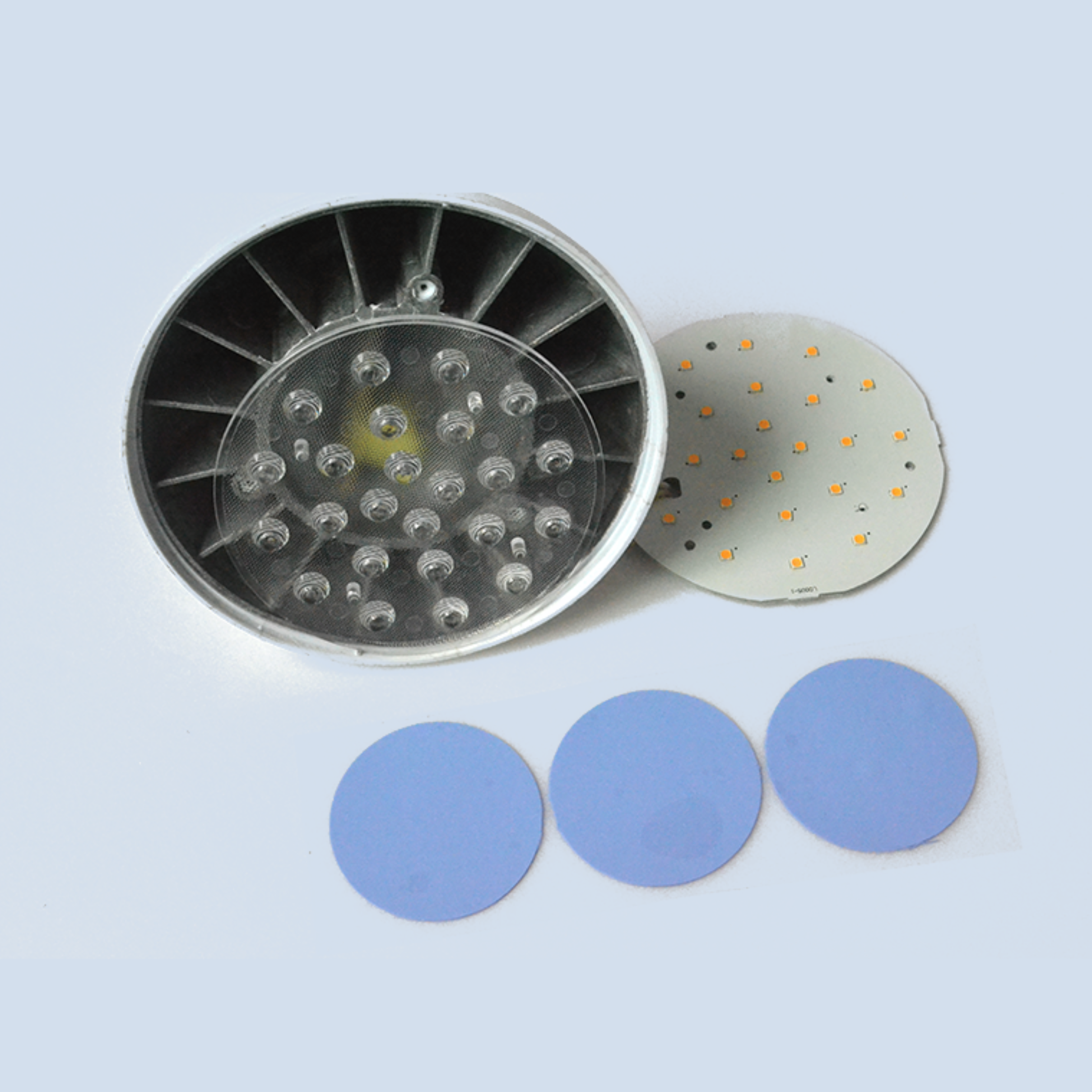
LEDs are sensitive to temperature changes. Excessive heat can reduce brightness and lifespan. Thermal pads provide a stable interface between LEDs and cooling structures.
Automotive Systems
Modern vehicles incorporate numerous electronic systems, from infotainment to advanced driver assistance. Soft thermal pads ensure reliable operation under varying temperatures and vibrations.
Telecommunications Equipment
High-frequency communication devices generate continuous heat. Soft thermal pads help maintain stable operation in these demanding environments.
Key Selection Factors
Choosing the right soft thermal pad is essential for achieving optimal performance. Here are some important factors to consider:
Thermal Conductivity
Measured in W/mK, thermal conductivity indicates how effectively the material transfers heat. Higher values generally provide better performance, but must be balanced with other properties.
Thickness and Compressibility
The thickness of the pad should match the gap between components. Soft pads with higher compressibility can accommodate larger tolerances while maintaining contact.
Hardness
Softer materials offer better conformability, but they must still maintain structural integrity. Selecting the right hardness ensures both performance and durability.
तापरेटure Range
The pad should be able to withstand the operating temperatures of the application without degrading or losing effectiveness.
Long-Term Reliability
Look for materials that resist aging, drying, and deformation over time. This is especially important for applications with long service lifespans.
Common Mistakes to Avoid
Even with the right material, improper use can reduce effectiveness. Avoid these common issues:
Using pads that are too thick or too thin
Applying insufficient or excessive pressure
Ignoring surface cleanliness before installation
Selecting materials without considering environmental conditions
Attention to these details can significantly improve thermal performance.
Why Choose Dubang Materials
Dubang Materials focuses on delivering practical thermal management solutions that meet the needs of real-world applications. Their soft thermal pads are designed to balance flexibility, durability, and thermal performance.
By prioritizing material consistency and application-focused design, Dubang Materials helps customers address heat dissipation challenges effectively across different industries.
Final Thoughts
As electronic devices continue to evolve, effective thermal management remains a key factor in ensuring performance and reliability. Soft thermal pads provide a simple yet highly effective solution for improving heat dissipation.
Their ability to conform to surfaces, maintain stable performance, and simplify installation makes them an essential component in modern electronic design. By selecting the right materials and applying them correctly, engineers can significantly enhance the efficiency and longevity of their systems.
www.siliconethermal.com
Dubang