High-voltage electrical systems demand more than just standard materials. When insulation failure can lead to costly downtime, safety hazards, or long-term degradation, engineers and procurement teams must prioritize reliability at every level. One of the most critical yet often overlooked components in such systems is enameled wire.
Understanding Corona Discharge in High-Voltage Systems
Before discussing material selection, it’s important to understand the problem: corona discharge.
Corona discharge occurs when the electric field around a conductor becomes strong enough to ionize the surrounding air. This phenomenon is especially common in high-voltage environments such as:
Inverters
Motors driven by variable frequency drives (VFDs)
Transformers
Renewable energy systems
While corona discharge may seem minor at first, its long-term effects are serious. It gradually erodes insulation, leading to partial discharges, insulation breakdown, and eventually system failure.
Traditional enameled wires are not designed to withstand continuous corona exposure. Over time, micro-cracks form in the insulation layer, accelerating degradation.
What Makes DuPont Corona Resistance Enameled Wire Different?
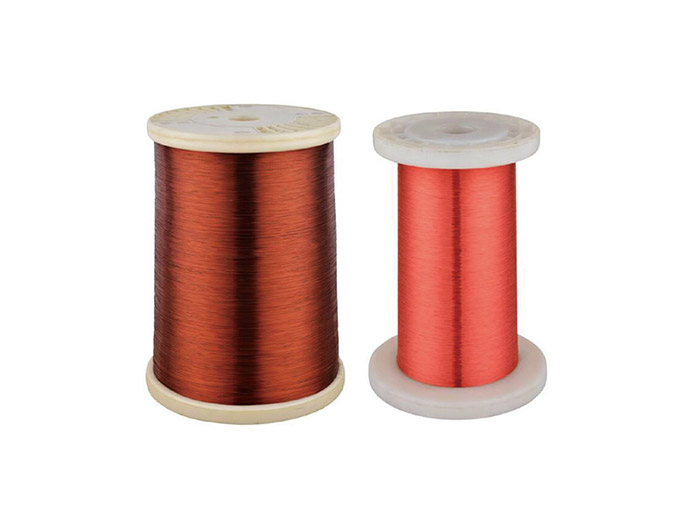
DuPont corona resistance enameled wire is engineered specifically to address the challenges of electrical stress and insulation longevity. It incorporates advanced insulation materials that significantly delay or prevent the onset of corona-related damage.
For detailed product specifications, you can refer to this resource on
DuPont Corona Resistance Enameled Wire.
Key material advantages include:
1. Enhanced insulation durability
The insulation system is designed to resist partial discharge erosion. Compared to standard enamel coatings, it maintains structural integrity for a much longer period under high voltage stress.
2. Improved thermal stability
High-voltage systems often operate at elevated temperatures. DuPont-based insulation materials retain performance across a wide thermal range, reducing the risk of thermal aging.
3. Strong resistance to electrical stress
The wire is capable of withstanding repetitive voltage spikes, which are common in modern power electronics.
4. Extended service life
By minimizing insulation degradation, the wire significantly extends the operational lifespan of motors, transformers, and other equipment.
Real-World Applications Where It Matters Most
Choosing corona-resistant wire is not just about technical performance—it directly impacts system reliability and maintenance costs. Here are key applications where this wire makes a tangible difference.
1. Inverter-Fed Motors
Modern industrial motors frequently operate with VFDs, which generate steep voltage waveforms. These waveforms create high dv/dt stress, accelerating insulation breakdown.
Using corona-resistant enameled wire helps:
Reduce insulation failure rates
Extend motor lifespan
Lower maintenance frequency
2. Electric Vehicle Drive Systems
Electric vehicles rely on compact, high-efficiency motors operating under high voltage. Space constraints mean insulation systems must be both thin and robust.
Corona-resistant wire supports:
High power density designs
Reliable long-term performance
Resistance to rapid switching frequencies
3. Renewable Energy Systems
Wind turbines and solar inverters operate in demanding environments with fluctuating loads and environmental stress.
In these systems, the wire helps:
Maintain consistent insulation performance
Reduce downtime due to electrical faults
Improve overall system efficiency
4. Transformers and High-Frequency Equipment
Transformers operating at higher frequencies experience increased electrical stress on insulation materials.
Corona-resistant wire provides:
Better resistance to partial discharge
Stable performance under continuous operation
Reduced risk of insulation failure
Practical Benefits for Engineers and Buyers
When evaluating materials, decision-makers often balance performance, cost, and long-term reliability. While corona-resistant wire may not always be the default choice, it often proves more practical over time.
Reduced Maintenance Intervals
Failures caused by insulation breakdown can be difficult and expensive to diagnose. By using a more durable wire, maintenance teams spend less time troubleshooting and more time on planned operations.
Lower Total Cost of Ownership
Even without focusing on upfront cost, the long-term savings are clear:
Fewer replacements
Less downtime
Reduced labor costs
Better System Reliability
In high-voltage applications, reliability is not optional. A single failure can disrupt entire operations. Corona-resistant wire provides a level of predictability that standard materials cannot match.
Installation and Handling Considerations
Even the best materials require proper handling to achieve optimal performance.
When working with corona-resistant enameled wire:
Avoid excessive mechanical stress during winding
Maintain proper tension control
Ensure compatibility with insulation systems and varnishes
Follow recommended curing and processing conditions
These practical steps ensure that the material performs as intended in real-world applications.
Why Choose Techsence Wires?
Selecting the right supplier is just as important as choosing the right material. Techsence Wires focuses on delivering consistent quality and application-specific solutions for high-voltage environments.
What sets Techsence Wires apart:
Specialized expertise in corona-resistant wire solutions
Stable manufacturing processes ensuring uniform insulation quality
Technical support tailored to application requirements
Reliable supply for industrial-scale projects
By working closely with customers, Techsence Wires helps ensure that the selected wire matches both performance expectations and operational conditions.
Final Thoughts
High-voltage applications place unique demands on every component, and enameled wire is no exception. Standard materials may work in low-stress environments, but they often fall short when exposed to continuous electrical and thermal stress.
DuPont corona resistance enameled wire provides a practical, proven solution to one of the most common causes of insulation failure. Its ability to withstand partial discharge, resist thermal aging, and maintain long-term stability makes it a strong choice for engineers who prioritize reliability.
For industries moving toward higher efficiency, compact designs, and increased electrification, the importance of advanced insulation materials will only continue to grow.
www.techsencewire.com
Techsence Wires