Water-based recreational vehicles are evolving beyond traditional jet skis and rigid inflatable boats. Users today expect higher stability, better passenger comfort, and intuitive digital control systems that mirror modern automotive experiences. In this context, the fiberglass jet car with touchscreen display has gained attention as a new generation of watercraft designed specifically for calm waters, coastal zones, lakes, and controlled marine environments.
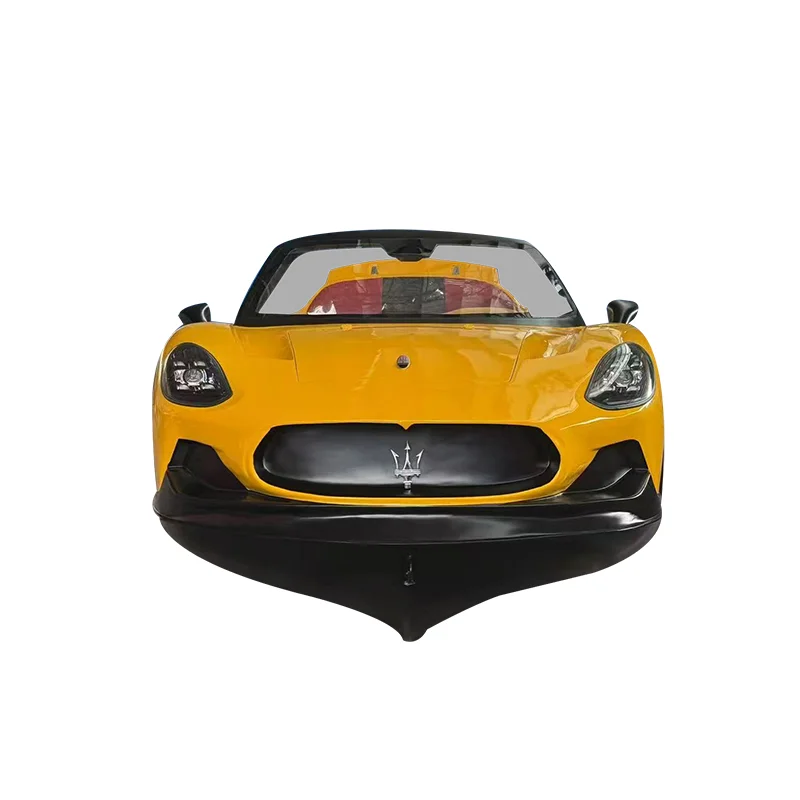
Rather than functioning as a hybrid off-road vehicle, this type of jet car is engineered primarily for water operation, combining a marine-grade fiberglass hull, inboard jet propulsion, and an integrated touchscreen interface that centralizes navigation, monitoring, and entertainment. In this blog post, Hison, as high performance marine surfing equipment exporter, will share the versatility of fiberglass jet car with touchscreen display for water recreation.
Water-Oriented Fiberglass Hull Design and Hydrodynamics
At the core of the jet car’s water performance is its fiberglass hull structure. Unlike aluminum or inflatable designs, a molded fiberglass hull allows precise shaping for hydrodynamic efficiency. The smooth underside reduces water resistance, enabling stable planing at moderate speeds while maintaining predictable handling.
Fiberglass also offers inherent advantages in aquatic environments. It resists corrosion from saltwater exposure, does not oxidize, and maintains structural integrity under prolonged UV radiation. For recreational users operating in coastal or lakeside settings, this material choice significantly reduces long-term maintenance demands.
The hull geometry is optimized for calm to semi-choppy water conditions rather than open-sea wave impact. This positioning makes the fiberglass jet car particularly suitable for resorts, marinas, sightseeing routes, and private leisure use where comfort and control matter more than extreme offshore capability.
Jet Propulsion and Inboard Engine Performance on Water
The water-specific nature of the fiberglass jet car is further reinforced by its inboard jet propulsion system. Powered by a Yamaha engine platform, typically ranging from 1400cc to 1800cc with outputs around 90HP to 115HP, the propulsion system delivers smooth thrust without exposed propellers.
This design offers several practical benefits in water environments:
• Safer operation near swimmers and docks
• Reduced risk of damage from shallow water debris
• Improved maneuverability at low speeds
The jet drive responds quickly to throttle input, allowing precise control when docking or navigating narrow waterways. Instead of focusing on high top speeds, the powertrain emphasizes steady acceleration and consistent cruising performance, aligning well with recreational and commercial water use.
Touchscreen Display as a Central Marine Control Interface
The touchscreen display is not a cosmetic feature but a functional control hub tailored for water operation. In a fiberglass jet car with touchscreen display, the screen typically integrates vessel speed, engine status, fuel level, and system alerts into a single, easy-to-read interface.
Marine environments demand quick visual access and simplified controls. A touchscreen reduces reliance on multiple analog gauges and switches, minimizing driver distraction. The interface can also manage audio systems, lighting, and auxiliary functions, allowing the operator to adjust settings without shifting focus away from navigation.
From an operational standpoint, digital displays also support future upgrades. Software-based systems allow interface optimization or feature expansion without mechanical modifications, extending the relevance of the vessel over time.
Passenger Capacity and Stability on Water
Unlike personal watercraft designed for one or two riders, this jet car configuration supports seating for up to five adults. This capacity changes how the vessel is used on water. Instead of solo or high-adrenaline riding, it enables group-oriented activities such as family cruising, short-distance transport, and leisure sightseeing.
The wide fiberglass hull contributes to lateral stability, reducing roll when passengers shift position. Bench or bucket-style seating layouts distribute weight evenly, improving balance during acceleration and turns. This stability is especially important in calm water zones where comfort and confidence define the overall user experience.
Onboard Storage and Entertainment for Water Activities
Water-based recreation often involves personal gear, safety equipment, and extended time on board. Integrated storage compartments allow items to be secured away from splash exposure while keeping the deck uncluttered.
Entertainment systems with Bluetooth connectivity further reflect the leisure-oriented nature of the jet car. Audio playback controlled directly through the touchscreen display allows passengers to enjoy music without relying on external devices that may be vulnerable to water or vibration.
These features align the fiberglass jet car more closely with compact leisure boats than with traditional jet skis, expanding its appeal to users seeking a relaxed, social experience on the water.
Practical Use in Lakes, Marinas, and Coastal Zones
The fiberglass jet car with touchscreen display is best positioned for controlled aquatic environments rather than extreme offshore conditions. Typical use scenarios include:
• Lake cruising and waterfront leisure
• Marina-based transportation and rentals
• Coastal sightseeing in calm weather
• Resort and tourism operations
Its jet propulsion system, fiberglass hull durability, and digital controls support frequent use with predictable handling, making it suitable for both private owners and light commercial fleets.
Storage, Protection, and Long-Term Water Use
Prolonged exposure to sun and moisture is unavoidable in marine settings. A custom-fit jet car cover plays an important role in preserving the fiberglass surface, touchscreen components, and seating materials when the vessel is docked or stored.
Covers reduce UV degradation, limit salt residue accumulation, and protect electronic interfaces from environmental wear. Combined with fiberglass construction, this approach helps maintain both appearance and operational reliability over extended service life.
Rethinking Personal Watercraft Design
The fiberglass jet car with touchscreen display represents a shift away from purely performance-driven watercraft toward experience-driven marine mobility. By integrating a stable fiberglass hull, a proven Yamaha jet propulsion system, and a centralized digital interface, it offers a controlled, comfortable, and modern way to enjoy water-based travel.
Rather than competing directly with high-speed jet skis or traditional boats, this category fills a growing demand for intelligent, passenger-friendly water vehicles designed for everyday recreation and managed environments. Its value lies not in extremes, but in balance, usability, and long-term practicality on the water.
www.hisonjetboat.com
Hison