Published: December 2026 | By Qizhuo Engineering Team
Most security labels are specified the same way: pick a hologram, add a QR code, approve the artwork. Then the first counterfeit arrives that looks nearly identical — because every feature on the label was produced by a process a counterfeiter can also buy. The structural weakness is upstream of the artwork: flexo and digital presses lay down ink films of 8–15 microns, thin enough that almost any print shop can imitate the result. Why screen printing improves security label counterfeit resistance comes down to physics the competitor cannot rent: an ink layer up to 45 microns thick — three times or more what conventional presses deposit — carrying functional coatings that simply do not exist in digital workflows. This guide explains the mechanism, the features it unlocks, and the honest trade-offs — from Qizhuo, a custom label manufacturer in Shanghai running both worlds on one site.
1. Ink Thickness Is Not a Cosmetic Detail — It Is the Security Variable
Compare the numbers. Digital inkjet deposits roughly 8–10 microns of ink; flexographic plates transfer 12–15; a screen unit pushes 20–45 microns through a tensioned mesh in a single pass. That thickness converts directly into three security-relevant properties. First, opacity: thick ink fully covers dark substrates — matte silver PET, laser film, black PP — where thin layers wash out, which is why a white base printed by screen stays genuinely opaque. Second, dimension: the deposit cures as a raised, measurable profile a fingertip can read and a caliper can verify. Third, chemistry: functional inks need volume to work, and none of them tolerate a 10-micron film.
This is also why the technique is quietly dominant where security matters. Industry research attributes nearly a fifth of premium cosmetic bottle decoration to screen printing — share that has grown steadily since 2020 — driven by exactly these haptic and coverage properties. Counterfeiters can copy artwork at any thickness; what they cannot cheaply replicate is the physicochemical behavior of a thick, correctly cured functional layer under UV, heat or friction.
2. The Features That Exist Only Because Screen Printing Exists
Run down the catalogue of physical anti-counterfeit devices and the same fact repeats: each one belongs to the family of screen printed security features that digital printing cannot copy. Scratch-off panels — the silver coating that must conceal a code perfectly, then flake away cleanly — are a screen-only product; no inkjet film hides the code underneath. UV fluorescent inks glow dramatically brighter from a thick film, so a covert mark that is merely visible when printed digitally becomes unmistakable when printed by screen. Thermochromic and photochromic inks, conductive traces, braille-grade raised varnish and thick UV spot varnish patterns all share the same dependency. A raised varnish motif adds the "touch and see" channel: the eye verifies one feature while the finger verifies another, two independent checks in a single glance — and a raised tactile element is precisely one of the thick ink layer benefits for tactile security labels that turns an ordinary seal into a two-sense authentication point.
The production discipline behind these features is its own barrier. Mesh tension, squeegee pressure and registration must be controlled batch after batch, and the screen artwork itself is a confidential file managed like a master: stored centrally, versioned, never released with the job.
3. The Honest Trade-Offs — and the Hybrid Answer
Screen printing is not a substitute for the rest of the line. It runs slower than flexo, resolution is modest for fine detail, and unit economics favor spot features over full-coverage graphics. The professional answer is a hybrid construction, not a technology contest: the flexographic or digital layer carries the base artwork, variable codes and the holographic patch, while the screen unit lays the functional security coatings in register on the same pass. That division of labor is the practical answer to why screen printing improves security label counterfeit resistance — visible brand work on the fast presses, covert and tactile features on the screen station, every label verified by 100% camera inspection before shipment.
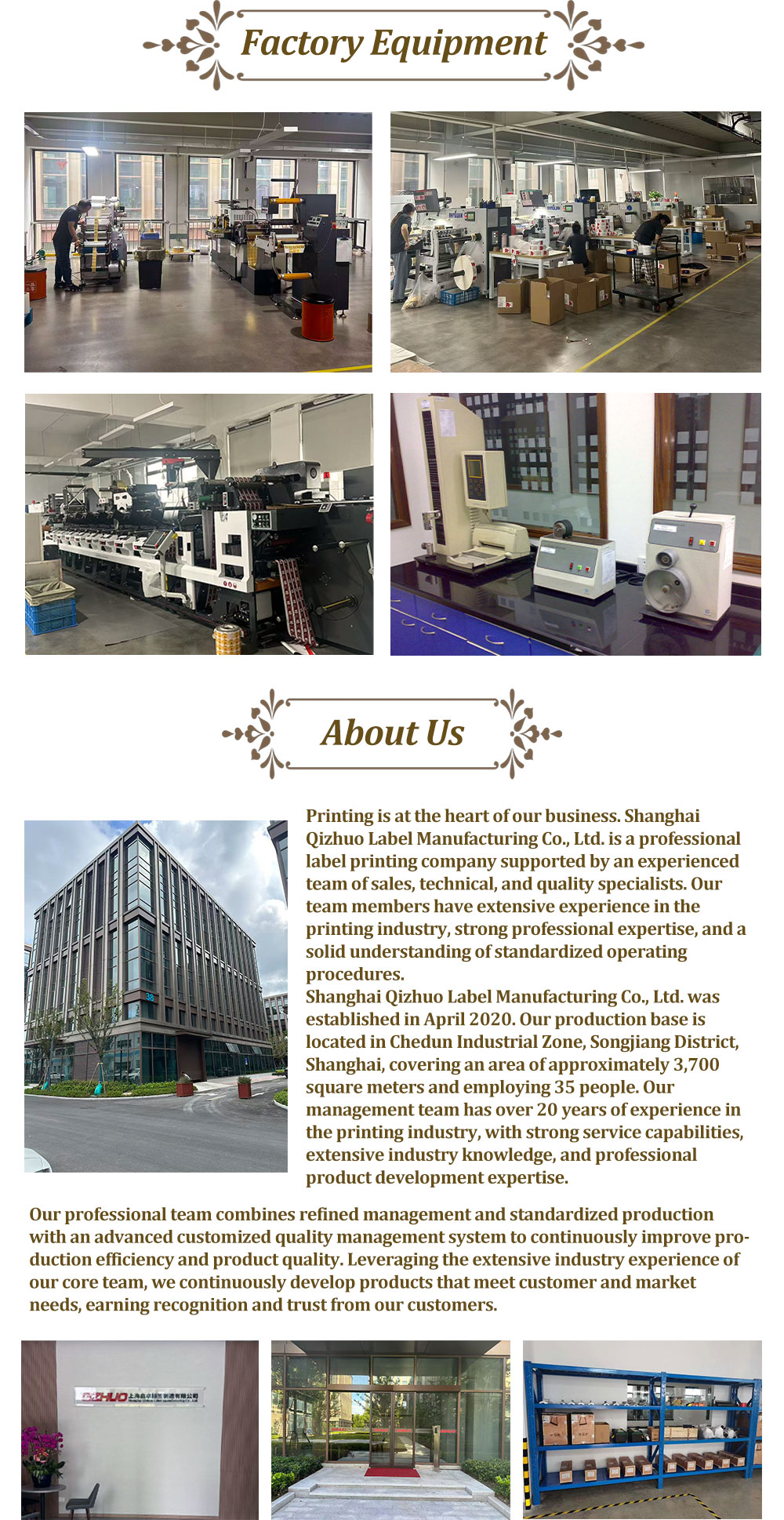
Production note: Qizhuo runs dedicated screen stations alongside its 10-color flexographic line, so base printing, cold foil, holographic lamination and screen-applied security coatings combine in one facility — with screen artwork held under the same confidentiality regime as client master files.
✅ Bottom line: A security label is only as hard to fake as its thinnest layer. Screen printing adds the one layer counterfeiters cannot rent — thick, tactile, functional ink that digital presses physically cannot deposit.
Frequently Asked Questions
Q: Why screen printing improves security label counterfeit resistance compared with flexo or digital printing — what is the actual mechanism?
A: Through ink volume. A 20–45 micron film enables full opacity on dark films, a measurable raised profile, and the correct chemistry for fluorescent, thermochromic and scratch-off inks — three properties a 8–15 micron digital or flexo layer cannot deliver, no matter whose press prints it.
Q: Which screen printed security features that digital printing cannot copy matter most for brand protection?
A: In practice, four dominate: scratch-off coatings, UV fluorescent marks, thermochromic effects and tactile raised varnish. The last one shows the thick ink layer benefits for tactile security labels most clearly — a raised profile the finger reads independently of the eye — and together the four give inspectors and consumers a touch-and-see verification routine that survives artwork imitation.
Q: What is the MOQ and lead time for custom labels with screen-printed security features?
A: Hybrid screen-plus-flexo constructions typically start from 5,000 pieces, with 5–15 working days in production after artwork approval. Shanghai Qizhuo Label Manufacturing Co., Ltd. supports OEM and ODM security label projects with dedicated screen stations on site, and free samples tested on your actual substrate before a bulk run.
Missing the Screen Layer in Your Security Label?
Send Qizhuo your current label design and threat scenario. Our engineers will map which features belong on the screen station, propose the hybrid construction, quote factory-direct, and deliver free samples before you commit to a bulk run.
www.qzlabel.com
Shanghai Qizhuo Label Manufacturing Co., Ltd.