In modern industrial environments, safety and reliability are no longer optional—they are basic requirements. As electrical systems become more compact and complex, the demand for high-performance insulation materials continues to grow.
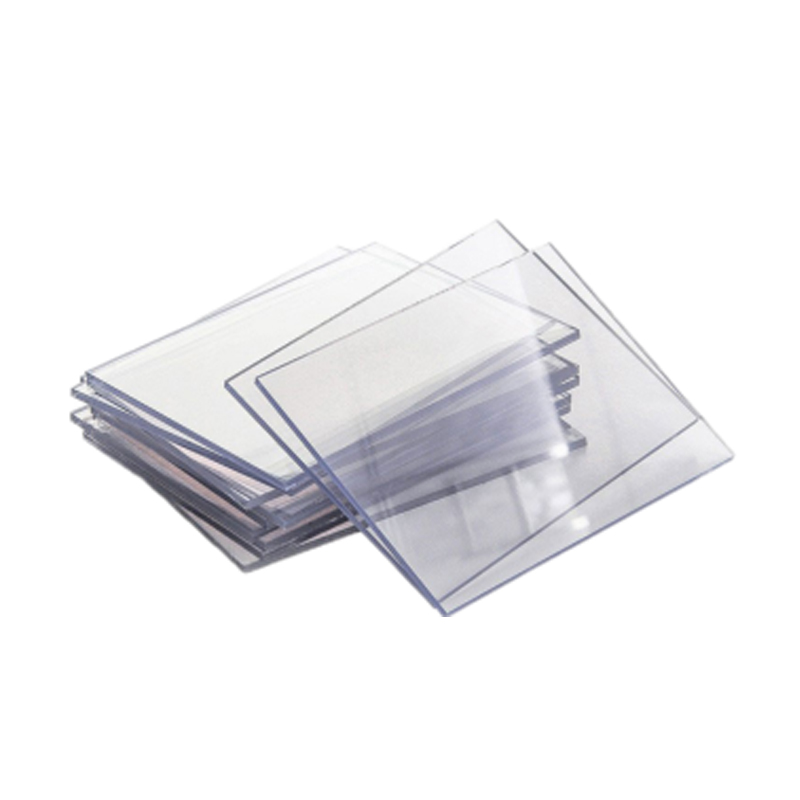
Among the many options available, PVC transparent insulating sheets have become a practical and widely used solution. Their combination of insulation performance, durability, and visibility makes them especially useful in real-world industrial scenarios.
If you're evaluating insulation materials for electrical or mechanical systems, this is one option worth understanding in detail.
What Makes PVC a Practical Insulation Material?
PVC (polyvinyl chloride) is a thermoplastic material known for its balanced performance. It offers:
-
Good electrical insulation
-
Strong resistance to chemicals
-
Stable mechanical strength
-
Low moisture absorption
-
Easy processing and fabrication
When produced as a transparent sheet, PVC gains an additional advantage: you can see through it without sacrificing protection.
In many industrial systems, this visibility is not just convenient—it helps with inspection, maintenance, and safety monitoring.
Why Insulation Materials Matter More Than Ever
In high-density electrical systems such as control panels, power supplies, and automation equipment, insulation plays a critical role.
Poor or degraded insulation can lead to:
-
Electrical leakage or short circuits
-
Equipment damage
-
Reduced system lifespan
-
Safety risks for operators
That’s why engineers are increasingly choosing materials that combine multiple properties—electrical, chemical, and mechanical—rather than relying on single-function solutions.
Key Advantages of PVC Transparent Insulating Sheets
1. Visibility for Easier Inspection
One of the biggest advantages of transparent PVC is that it allows operators to visually check internal components without opening or disassembling equipment.
This is especially useful in:
-
Electrical control cabinets
-
Power distribution panels
-
Testing and laboratory setups
Being able to inspect wiring or connections quickly can reduce downtime and improve maintenance efficiency.
2. Strong Chemical Resistance
Industrial environments often expose materials to harsh substances such as:
-
Cleaning agents
-
Acids and alkalis
-
Industrial solvents
-
Alcohol-based solutions
PVC performs well in these conditions, maintaining its structure and insulating properties over time. This makes it suitable for factories, processing plants, and chemical environments.
3. Good Mechanical Strength and Easy Processing
PVC sheets are not only durable—they are also easy to work with. They can be:
-
Cut
-
Drilled
-
Machined
-
Shaped
This makes it easier to produce custom components or fit insulation into complex system designs without sacrificing strength.
4. Low Moisture Absorption
With a moisture absorption rate of around 0.2%, PVC remains stable even in humid conditions.
This is important for:
-
Outdoor installations
-
Coastal or high-humidity environments
-
HVAC-related systems
Low moisture absorption helps prevent deformation and maintains consistent electrical performance.
5. Reliable Electrical Insulation
PVC has stable dielectric properties, making it suitable for a wide range of electrical applications.
It helps:
-
Prevent current leakage
-
Maintain safe spacing between conductive parts
-
Reduce the risk of electrical faults
For many industrial systems, this level of reliability is essential.
Where PVC Transparent Insulating Sheets Are Used
Electrical and Power Systems
PVC sheets are commonly used in:
-
Busbar insulation
-
Terminal protection covers
-
Internal panel separation
The transparent design allows technicians to check connections without removing protective layers.
Automotive Electronics
Modern vehicles rely heavily on electronic systems. PVC sheets are used in:
-
Battery systems
-
Control modules
-
Sensor protection
They help maintain insulation performance under vibration and temperature changes.
Industrial Automation Equipment
In automation systems, PVC sheets are used for:
-
Control cabinet insulation
-
Signal separation
-
Circuit board protection
Their durability makes them suitable for continuous operation environments.
Chemical and Processing Equipment
Thanks to their chemical resistance, PVC sheets are also used in:
-
Fluid handling systems
-
Chemical storage environments
-
Laboratory equipment
They provide a safe barrier between electrical components and reactive substances.
Practical Benefits in Real Applications
From a user perspective, PVC transparent insulating sheets offer several practical advantages:
-
Faster inspection and troubleshooting
-
Reduced maintenance time
-
Longer service life in harsh environments
-
Lower risk of system failure
These benefits are especially valuable in industries where downtime is costly.
What to Consider When Choosing PVC Insulating Sheets
Not all PVC sheets are the same. For industrial use, it’s important to evaluate:
-
Thickness consistency
-
Transparency quality
-
Dielectric performance
-
Resistance to aging
-
Machining precision
Choosing a reliable supplier ensures consistent quality across batches and better long-term performance.
Future Trends in Insulation Materials
As industrial systems continue to evolve, insulation materials are also improving. Future developments may include:
-
Better heat resistance
-
More environmentally friendly formulations
-
Composite structures for multi-function performance
-
Integration with monitoring technologies
PVC-based materials are expected to remain relevant, especially as they continue to adapt to new requirements.
Conclusion
PVC transparent insulating sheets are a practical solution for modern industrial systems. They combine electrical insulation, chemical resistance, mechanical strength, and visual accessibility in a single material.
For engineers and system designers, they offer a balance between performance and usability—making them suitable for a wide range of applications.
In environments where safety, reliability, and efficiency are critical, PVC insulating sheets continue to prove their value as a dependable and versatile material choice.
www.siliconethermal.com
Dubang