As solar energy adoption continues to rise worldwide, selecting the right solar panel is critical to maximizing performance, return on investment, and long-term reliability. Trina Solar, a globally recognized solar panel manufacturer, offers a wide range of high-efficiency modules suitable for residential, commercial, and utility-scale projects.
In this SEO-optimized guide, we’ll walk you step by step through how to choose the right Trina Solar panel for your project, while also highlighting how PRBS, a professional and high-quality solar panel manufacturer, supports customers with reliable products and expert solutions.
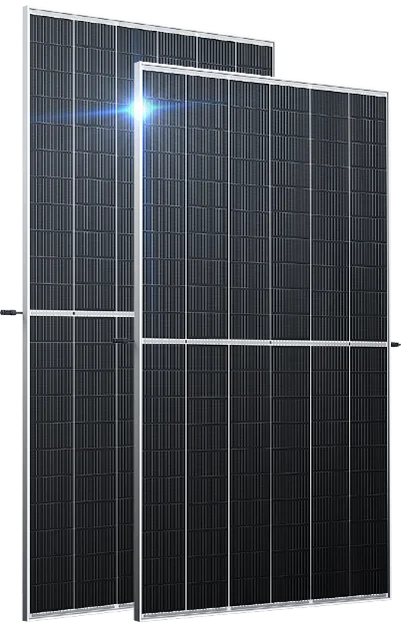
Why Choose Trina Solar Panels?
Trina Solar is known for:
-
High module efficiency and power output
-
Advanced technologies such as N-type and bifacial modules
-
Proven durability in harsh environments
-
Strong global certifications and warranties
For EPCs, installers, and project developers, Trina Solar panels provide a balance of performance, cost-effectiveness, and long-term stability. PRBS partners with trusted brands like Trina Solar to ensure customers receive premium-quality solar solutions tailored to real project needs.
Step 1: Identify Your Solar Project Requirements
Before selecting a Trina Solar panel, clearly define your project type:
-
Residential rooftop solar system
-
Commercial or industrial installation
-
Utility-scale solar power plant
-
Off-grid or hybrid energy system
Each application has different priorities. Residential projects may require compact, high-efficiency modules, while utility-scale projects focus on high wattage and lower LCOE. PRBS helps customers analyze their project goals and recommends suitable panel options accordingly.
Step 2: Choose the Right Power Output and Efficiency
Trina Solar panels offer a wide power range, from standard rooftop modules to ultra-high-power panels exceeding 600W.
Key considerations:
-
Limited installation space → Higher-efficiency panels
-
Large-scale installations → High-wattage modules
-
Long-term ROI → Balance between efficiency and cost
PRBS emphasizes strict quality standards in manufacturing and selection, ensuring all supplied panels deliver consistent performance and stable energy output.
Step 3: Consider Installation Conditions and Panel Size
Panel size and weight play an important role in installation efficiency and structural safety. Trina Solar provides both standard and compact modules designed for:
-
Rooftops with load limitations
-
High-wind or heavy-snow regions
-
Faster and more flexible installation
With extensive industry experience, PRBS offers technical support during the design stage to ensure panel selection matches site conditions and reduces installation risks.
Step 4: Evaluate Durability and Environmental Performance
Solar panels must withstand decades of exposure to challenging environments. Trina Solar panels are tested for:
-
High temperatures and humidity
-
Salt mist and ammonia corrosion
-
Wind load and snow pressure
Certifications such as IEC, TÜV, and UL ensure reliability. As a professional solar panel manufacturer, PRBS values long-term durability and works only with products that meet strict international standards.
Step 5: Review Warranty and Degradation Rates
Warranty terms directly affect long-term project value. Trina Solar typically offers:
-
10–15 years product warranty
-
25–30 years performance warranty
-
Low annual degradation rates
Lower degradation means higher energy generation over time. PRBS helps customers compare warranty details and understand how performance guarantees impact total system returns.
Step 6: Balance Budget and Long-Term ROI
While premium panels may cost more initially, they often reduce maintenance costs and deliver higher lifetime energy yields.
When budgeting, consider:
-
Upfront module cost
-
Installation and BOS savings
-
Long-term power generation
-
Reduced maintenance and replacement risks
PRBS provides professional guidance to help customers achieve the best balance between investment and long-term profitability.
Frequently Asked Questions (FAQ)
1. Are Trina Solar panels suitable for residential projects?
Yes. Trina Solar offers compact, high-efficiency modules ideal for residential rooftops with limited space.
2. How long do Trina Solar panels last?
Most Trina Solar panels are designed to operate efficiently for 25–30 years, supported by long-term performance warranties.
3. Can PRBS supply Trina Solar panels for large-scale projects?
Yes. PRBS works with trusted global brands and can support commercial and utility-scale solar projects with reliable supply and technical expertise.
4. What certifications should I look for when choosing solar panels?
Look for IEC, TÜV, and UL certifications, which confirm safety, performance, and durability.
5. How do I choose the right panel for my climate?
Factors such as temperature, humidity, wind, and snow loads matter. PRBS provides professional recommendations based on local environmental conditions.
Conclusion
Choosing the right Trina Solar panel is a strategic decision that affects system performance, reliability, and long-term returns. By understanding your project requirements, evaluating efficiency, durability, and warranties, and working with a trusted partner, you can ensure a successful solar installation.
As a professional manufacturer and supplier of high-quality solar panels, PRBS is committed to delivering reliable products and customized solutions for residential, commercial, and utility-scale projects. With the right panels and expert support, your solar project can achieve maximum efficiency and sustainable success for years to come.
Industrial Applications of Trina Solar Panels: Powering Large-Scale Operations
www.prbsenergy.com
PRBS