In high-security applications, choosing the right bullet proof glass is essential to protect people, assets, and infrastructure. From banks and government facilities to armored vehicles and industrial installations, selecting the correct thickness and material composition ensures optimal safety, long-term durability, and compliance with performance standards.
This guide provides a step-by-step approach for manufacturers, system integrators, and facility managers to select and source custom bullet proof glass, with insights into advanced solutions provided by Henan Zhongbo Glass Co., Ltd.
Learn more about the company here: Henan Zhongbo Glass Co., Ltd.
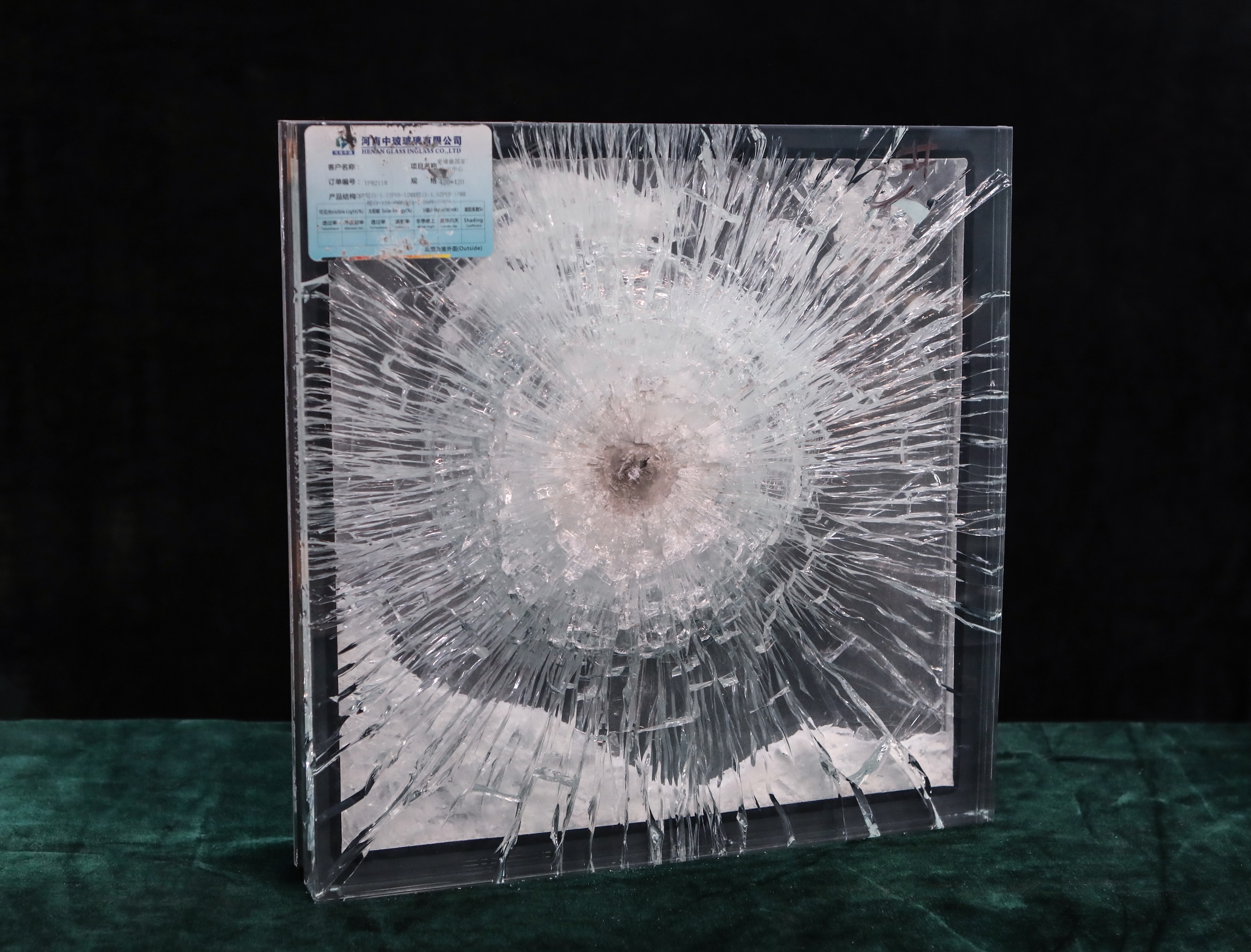
Understanding Bullet Proof Glass: Composition and Function
Bullet proof glass, also called armored or ballistic glass, is not a single pane but a multi-layered system combining:
Glass layers: Typically tempered or laminated for hardness
Polymer interlayers: PVB, SGP, or polycarbonate for energy absorption
Bonding agents: Maintain adhesion under high-impact stress
This combination absorbs and dissipates the kinetic energy of bullets or projectiles, preventing penetration and reducing spall (glass fragments). Selecting the correct composition is critical for meeting project-specific security requirements.
Step 1: Determine the Threat Level
Every project requires a clear understanding of potential threats. Bullet proof glass is rated according to:
UL 752 (Underwriters Laboratories) – widely used in North America
NIJ (National Institute of Justice) – law enforcement and armored vehicle standards
EN 1063 / DIN 52290 – European ballistic performance benchmarks
Threat levels define which firearms, ammunition types, and number of shots the glass must withstand. For example:
Level 1–3: Small-caliber handguns
Level 5–8: High-powered rifles and armor-piercing rounds
Accurate threat assessment ensures the glass meets project safety specifications without over-engineering, which can increase costs unnecessarily.
Step 2: Choose the Right Material Layers
The performance of bullet proof glass depends on the combination and quality of materials:
Tempered Glass Layers: Provide hardness to slow and deform projectiles
Polycarbonate or PVB/SGP Interlayers: Absorb energy, prevent spalling, and hold cracked layers together
Special coatings or treatments: Improve UV resistance, optical clarity, and environmental durability
Leading manufacturers like Henan Zhongbo Glass Co., Ltd. engineer custom laminates based on application requirements, balancing protection, weight, and clarity.
Step 3: Select the Correct Thickness
Thickness is the most visible factor but must be matched to both threat level and installation constraints:
Low to Medium Threat: Typical thickness 6–25 mm (0.25–1″), suitable for handguns and standard installations
High Threat: Thickness 25–75 mm (1–3″) or more, necessary for rifle or multiple shot protection
Special Applications: Vehicles, curved panels, or small-scale security windows may require custom thickness and polymer layering to ensure proper protection
Manufacturers should provide weight and structural load calculations to ensure safe and feasible installations.
Step 4: Consider Optical and Environmental Performance
For practical use, bullet proof glass must combine safety with usability:
Optical clarity: Minimize distortion for visibility
UV resistance: Prevents damage to interiors or sensitive equipment
Thermal stability: Maintains performance in extreme temperatures
Moisture and weather durability: Ensures long-term integrity
Reliable suppliers offer custom coatings and surface treatments to match environmental conditions.
Step 5: Installation and Structural Support
The glass performance is only as good as its installation:
-
l Correct framing materials and hardware to support thickness and weight
-
l Integration into walls, doors, or vehicles without compromising ballistic resistance
-
l Allowances for vibration, thermal expansion, or seismic movement
A supplier experienced in engineering, like Henan Zhongbo Glass Co., Ltd., provides installation guidelines and technical support to ensure full performance.
Step 6: Evaluate Manufacturer Support and Quality Assurance
When sourcing bullet proof glass, consider:
-
Consistency and quality certification of glass layers and laminates
-
Documentation of ballistic testing and compliance with recognized standards
-
After-sales support, including maintenance, replacement panels, and troubleshooting
Henan Zhongbo Glass offers full manufacturing support, from design consultation to delivery, ensuring reliable performance for commercial and industrial projects.
Applications Across Industries
Custom bullet proof glass is used in:
Banking and financial institutions – teller windows, ATMs, and secure vaults
Government and defense – embassies, military facilities, and VIP protection
Transportation – armored vehicles, buses, and trains
Industrial facilities – control rooms, laboratories, and critical infrastructure
Each application requires a tailored solution in terms of thickness, material layers, and mounting systems.
Frequently Asked Questions
Q1: Can bullet proof glass be customized for specific firearms and ammunition?
A: Yes, manufacturers can tailor thickness and material layers to specific threat levels and standards.
Q2: Does thicker glass always provide better protection?
A: Thickness contributes to protection, but the combination of glass, interlayers, and bonding quality is equally important.
Q3: Are bullet proof glass panels suitable for outdoor installation?
A: Yes, with appropriate coatings and environmental treatments, panels withstand UV, moisture, and temperature variations.
Q4: How do I ensure proper installation?
A: Work with experienced suppliers who provide installation guidelines and structural support recommendations.
Q5: What is the advantage of sourcing from a specialized manufacturer like Henan Zhongbo Glass?
A: They provide custom-engineered solutions, compliance documentation, and long-term technical support for industrial-scale projects.
Conclusion
Selecting the right thickness and material for custom bullet proof glass requires careful evaluation of threat levels, material composition, optical and environmental performance, and installation requirements. Partnering with a reliable manufacturer such as Henan Zhongbo Glass Co., Ltd. ensures:
Optimized protective performance
Compliance with international standards
Technical support for design, fabrication, and installation
Learn more about Henan Zhongbo Glass solutions here: Henan Zhongbo Glass Co., Ltd.
Architectural Laminated Glass Applications: Windows, Facades, Skylights, and Interiors
www.hncentralglass.com
Henan Zhongbo Glass Co., Ltd.