When a project requires corrosion resistance on the working surface without paying for a full-thickness stainless steel plate, stainless steel clad alloy plate can provide a practical material solution. By metallurgically bonding a stainless steel layer to a carbon steel or low-alloy steel substrate, the material combines the surface performance of stainless steel with the structural strength and cost efficiency of the base metal. ASTM A264, for example, defines stainless chromium-nickel steel-clad plate as a carbon or low-alloy steel base with an integrally and continuously bonded stainless layer, with requirements covering mechanical properties, heat treatment, shear or bond strength, bending, and chemical analysis.
For pressure equipment, chemical processing, water infrastructure, large structural components, and other demanding applications, the key question is therefore not simply whether a plate is “stainless.” The more important issue is whether the cladding grade, base metal, thickness ratio, bonding quality, mechanical properties, and fabrication requirements are correctly matched to the service environment.
What Is Stainless Steel Clad Alloy Plate?
A stainless steel clad alloy plate normally consists of two functional material layers. The stainless steel cladding provides corrosion resistance, surface durability, and compatibility with the process medium, while the carbon steel or low-alloy steel substrate supplies most of the structural thickness and load-bearing capacity.
This layered structure is particularly useful when the required corrosion-resistant alloy would be unnecessarily expensive if used through the entire thickness. For example, instead of manufacturing a thick component entirely from stainless steel, a project may specify a relatively thin 304 or 316-series stainless cladding over a substantially thicker carbon steel base.
The economic advantage depends on the required dimensions and service conditions, but the engineering principle is straightforward: use the higher-alloy material where its properties are actually needed and use structural steel where bulk strength and thickness are required.
The interface is critical. Stainless steel and carbon steel cannot simply be treated as two independent plates placed together. The cladding needs to remain continuously bonded during forming, welding, thermal cycling, and service. ASTM A264 specifically treats metallurgical bonding and bond or shear strength as part of the product requirements.
Cladding Grade Should Follow the Service Medium
The stainless steel grade is one of the first specifications that should be established because corrosion performance depends strongly on the chemical environment rather than on the word “stainless” alone.
For general corrosion-resistant applications, 304 or related 300-series stainless steels may be suitable. Where chloride exposure, chemical processing, or more aggressive media are involved, 316-series grades may be considered because their alloy chemistry provides different corrosion-resistance characteristics. For higher-temperature, wear, or specialized environments, other stainless or special-alloy claddings may be more appropriate.
The substrate should be selected separately. Its yield strength, tensile strength, toughness, thickness, weldability, and design temperature can be more important to the structural calculation than the properties of the stainless surface.
This separation of functions is one of the main engineering advantages of clad plate. The stainless layer is optimized for the environment in contact with the material, while the base plate is optimized for structural requirements.
Cladding Thickness Is a Design Variable, Not Just a Purchasing Specification
Cladding thickness should be determined from the actual corrosion allowance, fabrication process, service life, and applicable standard rather than selected only by comparing nominal plate prices.
For example, a project may require a 20 mm total plate thickness consisting of a stainless cladding layer and a carbon steel base. The exact ratio should be established from the corrosion environment and structural calculation. A thicker stainless layer may increase corrosion-service margin and provide additional machining or fabrication allowance, but it also increases material cost.
The opposite problem can occur when the cladding is specified too thin. Excessive grinding, machining, forming, or welding can reduce the effective stainless layer and potentially expose the substrate. This is particularly important when the finished component will be machined after delivery.
For this reason, a technical specification should clearly define total thickness, cladding thickness, base-metal grade, thickness tolerances, surface condition, and any machining allowance.
Bond Strength Matters as Much as Surface Appearance
A stainless steel clad plate can have an attractive stainless surface while still requiring detailed inspection of the bonded interface. Surface appearance alone cannot demonstrate whether the cladding has achieved the required metallurgical bond.
ASTM A264 includes mechanical and bond-related verification, including shear strength requirements and alternative bond testing provisions. The standard also specifies that the clad plate is heat treated and that product and chemical analyses form part of the inspection framework.
In practical production, the important variables include surface preparation, cleanliness before bonding, rolling or cladding parameters, temperature control, reduction ratio, heat treatment, and subsequent plate processing. Research on stainless steel/carbon steel clad plate has also examined interface microstructure, elemental diffusion, and bonding morphology in relation to rolling parameters, demonstrating why interface quality cannot be evaluated only from the final surface.
For demanding applications, the inspection plan should therefore define the required bond or shear testing method, sampling location, test frequency, and acceptance criteria before production begins.
Hot-Rolled Cladding vs. Conventional Stainless Plate
The comparison between stainless steel clad alloy plate and solid stainless steel plate should focus on the complete component rather than material price per ton.
A solid stainless steel plate provides uniform composition throughout its thickness, which can simplify certain machining and fabrication operations. However, when corrosion resistance is primarily required at one surface, using stainless steel through the entire thickness may consume significantly more alloy material than the application actually needs.
Clad plate introduces a bonded interface and therefore requires additional manufacturing control, but it can reduce the amount of expensive stainless alloy while retaining a stainless working surface and a structural steel core.
For large pressure vessels, tanks, heat-transfer equipment, water-control structures, and other thick-section components, this distinction can become especially important because plate thickness and total material volume are substantial.
Welding Requires a Layer-Aware Procedure
Fabrication should be considered when selecting the clad plate, not after the material arrives.
Welding a stainless-clad plate involves both the stainless layer and the base metal, and the weld procedure must account for the transition between dissimilar materials. Excessive dilution, inappropriate filler selection, overheating, or incorrect machining depth can affect the corrosion-resistant surface and the properties around the clad interface.
Edge preparation is particularly important. Depending on the component design, the stainless layer may require controlled preparation so that the weld configuration maintains the required corrosion resistance after fabrication.
For pressure equipment and other safety-critical applications, the material specification should therefore be linked with the intended welding procedure, post-weld requirements, inspection method, and final surface condition.
Where Stainless Steel Clad Alloy Plate Creates the Most Value
The strongest application case occurs when three requirements exist simultaneously: the component needs a corrosion-resistant surface, the component requires substantial structural thickness, and using solid stainless steel would create unnecessary alloy cost.
Pressure vessels are a typical example. ASTM A264 specifically covers stainless chromium-nickel steel-clad plate for pressure-vessel applications.
Chemical and process equipment can also benefit when the process medium contacts the stainless surface while the structural body requires carbon or low-alloy steel. Water conservancy and large infrastructure projects may similarly require a durable surface combined with a thick structural section.
For bridge-related or architectural applications, the selection criteria may shift toward corrosion exposure, structural performance, surface finish, fabrication method, and lifecycle requirements. The appropriate stainless grade and substrate should therefore be selected from the actual service environment rather than applying one standard material combination to every project.
A Practical Specification Checklist
Before ordering stainless steel clad alloy plate, the technical specification should establish the service medium, design temperature, design pressure where applicable, total plate thickness, required cladding thickness, stainless grade, base-metal grade, plate dimensions, heat-treatment condition, surface finish, flatness and dimensional tolerances.
The bonding requirement should be equally clear. Define the applicable standard, bond or shear testing method, inspection frequency, sampling position, and acceptance criteria. If the plate will undergo cutting, rolling, bending, machining, or welding after delivery, these downstream processes should be included in the material-selection discussion.
This approach reduces the risk of selecting a plate that satisfies a nominal grade requirement but does not perform as expected after fabrication.
Why Manufacturing and Supply Capability Matter
For custom stainless steel clad alloy plate, material selection and production capability are closely connected. Yimo Alloy Tech combines its own clad plate manufacturing base with a broader supply network covering carbon steel, stainless steel, and special metal materials.
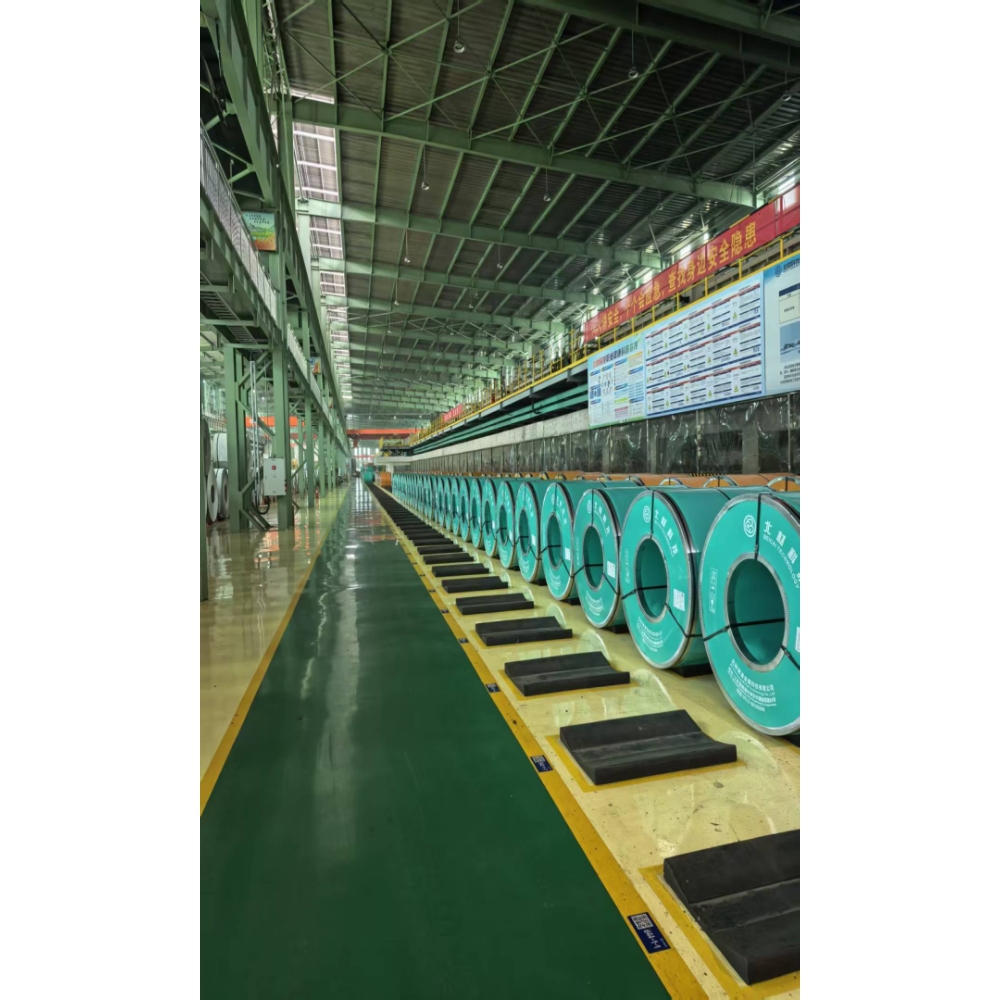
Its stainless steel supply capability includes 200, 300, and 400 series products, supported through cooperation with Guangxi Beigang New Materials Co., Ltd. This allows material selection to extend beyond the cladding process itself, while the company's own composite processing capability supports customized clad plate requirements.
For overseas projects, this integrated model can simplify the process from material selection and thickness configuration to customized production, quality control, and export delivery. More importantly, it allows the final plate specification to be discussed as an engineered material system rather than as a simple stainless steel commodity.
Final Considerations
Choosing a stainless steel clad alloy plate should begin with the service environment and structural requirement, not with a stainless grade alone. The most important technical variables are the stainless cladding grade, base-metal properties, cladding thickness, total thickness, metallurgical bond quality, heat treatment, dimensional requirements, and compatibility with downstream fabrication.
When these parameters are defined together, clad plate can provide a balanced combination of corrosion resistance, structural performance, material utilization, and project economics. For customized industrial applications, working with a supplier capable of controlling both the cladding process and the underlying steel supply can also reduce specification gaps between material selection, manufacturing, and final delivery.
www.yimoalloy.com
Yimo Alloy Tech