Selecting the right stainless steel sheet is a critical decision in many industrial and engineering projects. Whether you are working in high-temperature environments, chemical processing, or fabrication, the material you choose directly impacts durability, performance, and long-term reliability. Among the many options available, 309 and 310S stainless steel sheets are widely used for their excellent heat resistance and corrosion performance.
Understanding 309 and 310S Stainless Steel
Before selecting a material, it’s important to understand what distinguishes 309 and 310S stainless steel from other grades. Both belong to the austenitic stainless steel family and are specifically designed for high-temperature applications.
Key Characteristics
High chromium and nickel content for excellent oxidation resistance
Strong performance at elevated temperatures
Good corrosion resistance in harsh environments
Non-magnetic structure in annealed condition
Differences Between 309 and 310S
While similar, these two grades serve slightly different purposes:
309 stainless steel: Suitable for moderate high-temperature applications with good oxidation resistance
310S stainless steel: Offers superior heat resistance and is better suited for continuous high-temperature exposure
Understanding these differences helps narrow down the right option for your application.
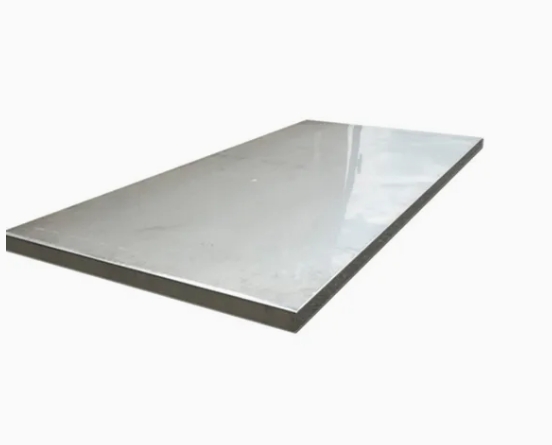
Key Factors to Consider
Choosing the right stainless steel sheet is not just about selecting a grade—it involves evaluating multiple practical factors.
1. Operating Temperature
Temperature is one of the most important considerations.
For applications below 1000°C, 309 stainless steel is typically sufficient
For higher or continuous temperatures, 310S provides better stability and resistance
Industries such as furnaces, heat exchangers, and kilns often require 310S due to its ability to maintain strength and resist scaling at extreme temperatures.
2. Corrosion Environment
If your project involves exposure to chemicals, moisture, or oxidizing environments, corrosion resistance becomes essential.
309 offers reliable resistance in moderately corrosive conditions
310S performs better in highly oxidizing or cyclic environments
For example, in chemical processing plants or exhaust systems, selecting the right grade can prevent premature material degradation.
3. Thickness and Dimensions
The thickness of the stainless steel sheet affects both strength and formability.
Thinner sheets are easier to form and fabricate
Thicker sheets provide better structural strength and heat resistance
Choosing the correct dimensions ensures the material meets both mechanical and thermal requirements without unnecessary weight or cost.
4. Fabrication Requirements
Different projects require cutting, welding, bending, or forming. Both 309 and 310S stainless steel sheets offer good fabrication properties, but there are some considerations:
310S is easier to weld due to its lower carbon content
Proper welding techniques are needed to maintain corrosion resistance
Heat treatment may be required depending on the application
If your project involves complex fabrication, working with a supplier like Chuanghe Special Alloy ensures you receive materials that meet processing requirements.
5. Surface Finish
Surface finish is often overlooked but can impact both performance and appearance.
Common finishes include:
No.1 finish for industrial applications
2B finish for general use
Polished finishes for decorative or hygienic environments
In industries such as food processing or pharmaceuticals, smoother finishes are preferred for easier cleaning and reduced contamination risk.
Application Scenarios
Understanding where 309 and 310S stainless steel sheets are commonly used can help guide your selection.
1. Heat Treatment Equipment
Furnace components, trays, and heat shields require materials that can withstand continuous high temperatures. 310S is often the preferred choice due to its superior heat resistance.
2. Petrochemical Industry
Refineries and chemical plants expose materials to both high temperatures and corrosive substances. Both 309 and 310S are used depending on the specific operating conditions.
3. Power Generation
Boilers, heat exchangers, and exhaust systems rely on stainless steel sheets that maintain structural integrity under thermal stress.
4. Industrial Kilns and Ovens
Kiln linings and internal components must resist oxidation and scaling. 310S is commonly used in these environments.
Practical Tips for Selection
To make the right choice, consider these practical steps:
Define your operating conditions clearly (temperature, environment, load)
Consult technical specifications and standards
Evaluate fabrication and installation requirements
Work with experienced suppliers
A reliable supplier like Chuanghe Special Alloy can provide guidance tailored to your specific application, ensuring the selected material meets both performance and operational needs.
Why Choose Chuanghe Special Alloy
When sourcing stainless steel sheets, consistency and quality are critical. Chuanghe Special Alloy focuses on delivering high-performance materials for demanding industrial applications.
Key Advantages
Strict quality control for consistent material properties
Wide range of stainless steel grades and specifications
Customization options for thickness, size, and finish
Technical support for application-specific requirements
By partnering with a specialized supplier, businesses can reduce risks and ensure long-term performance in challenging environments.
Conclusion
Selecting the right 309/310S stainless steel sheet requires a clear understanding of your project’s requirements. Factors such as temperature, corrosion exposure, fabrication needs, and surface finish all play a role in determining the best material.
309 stainless steel is a solid choice for moderate high-temperature environments, while 310S excels in extreme conditions where durability and oxidation resistance are critical. By evaluating these factors and working with a trusted supplier like Chuanghe Special Alloy, you can ensure your project benefits from reliable, high-performance materials.
www.chuanghealloy.com
Chuanghe