A Practical Guide to Heavy-Duty Rectangular Connectors: IP Ratings, Materials, and Selection Criteria
Heavy-duty rectangular connectors play a crucial role in a wide range of industrial and demanding environments. Whether in factory automation, rail systems, renewable energy installations, or heavy machinery, these connectors ensure reliable power and signal transmission even under challenging conditions. This article provides a practical overview of their key features, with a focus on ingress protection (IP) ratings, material selection, and important technical parameters engineers and sourcing professionals should consider.
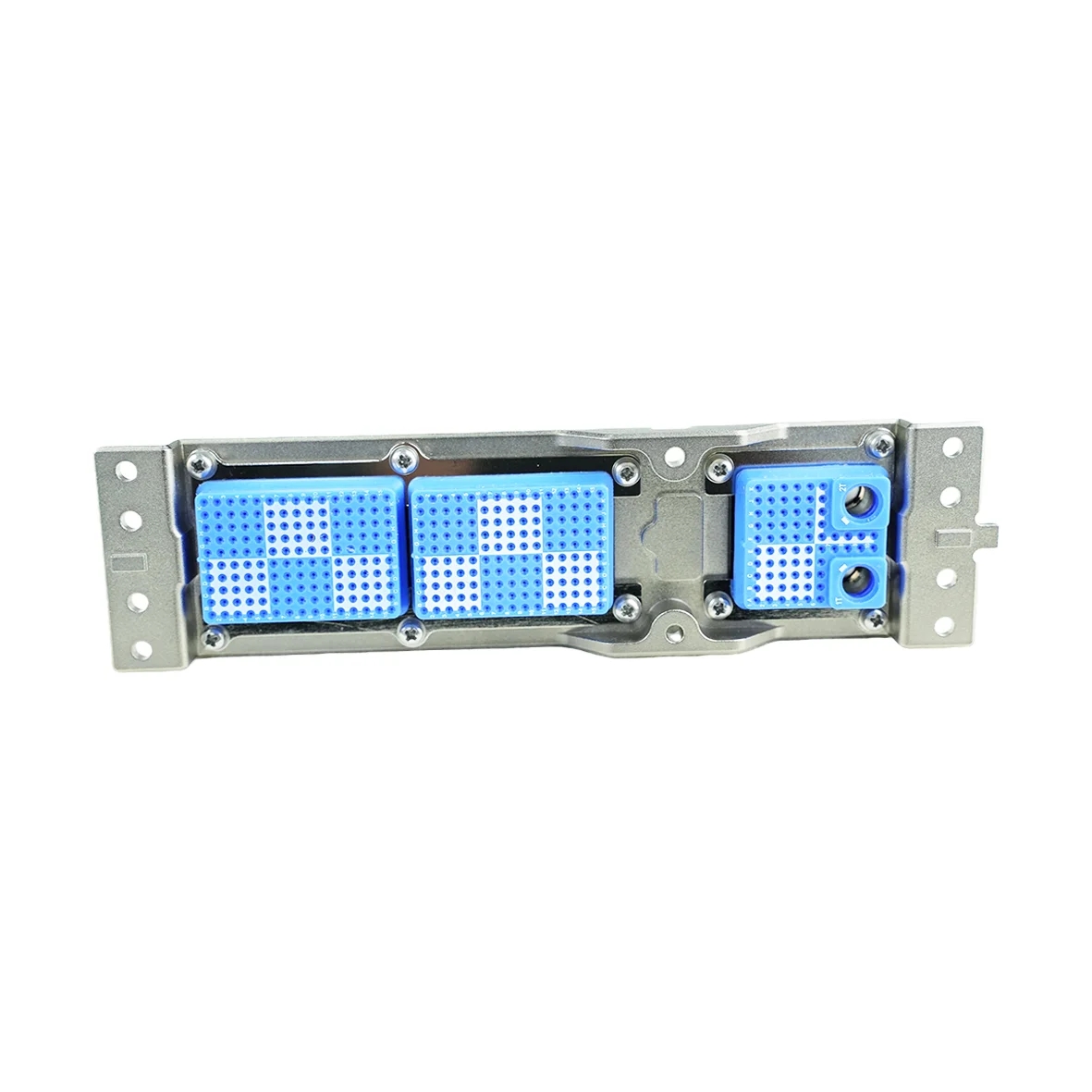
The Importance of Heavy-Duty Rectangular Connectors
Compared to connectors used in office or consumer devices, heavy-duty rectangular connectors are specifically engineered for harsh environments. They are built to withstand vibration, dust, moisture, temperature fluctuations, and mechanical stress on a daily basis.
Their rectangular design allows for high contact density and modular configurations, enabling multiple functions—such as power, signal, and data transmission—within a single interface. In industrial operations, connector reliability directly impacts uptime, safety, and maintenance costs. Therefore, selecting the right connector involves more than just matching pin counts; it requires a comprehensive understanding of environmental and performance factors.
IP Ratings: What They Mean in Practice
Understanding IP Codes
Ingress Protection (IP) ratings indicate how effectively a connector prevents the entry of solid particles and liquids. The rating consists of two digits:
-
The first digit represents protection against solids like dust.
-
The second digit refers to protection against liquids such as water.
For instance, IP65 ensures complete dust protection and resistance to water jets, while IP67 additionally allows for temporary immersion.
Selecting the Appropriate IP Level
Choosing the highest IP rating is not always necessary. The correct level depends on actual operating conditions:
-
IP54–IP55: Suitable for indoor industrial use with limited dust and occasional splashes.
-
IP65: Ideal for outdoor environments or areas with wash-down processes.
-
IP67–IP69K: Required for applications exposed to immersion, heavy rain, or high-pressure cleaning, such as food processing or off-road equipment.
It is important to note that IP protection is only guaranteed when connectors are fully mated and properly sealed. Housing design, gasket quality, and correct assembly all influence real-world performance.
Material Selection: A Key Factor in Reliability
Material choice affects durability, corrosion resistance, thermal stability, and overall lifespan. Heavy-duty connectors typically combine multiple materials, each serving a specific role.
Housing Materials
-
Die-Cast Aluminum
Offers a good balance of strength, weight, and corrosion resistance. It is widely used in industrial and transportation sectors and can be surface-treated for enhanced durability. -
Stainless Steel
Suitable for highly corrosive environments such as marine or chemical industries. Although heavier and more costly, it provides superior resistance to aggressive substances. -
Engineering Thermoplastics
Preferred when lightweight construction, insulation, or chemical resistance is required. Modern polymers can operate reliably across a broad temperature range.
Contact Materials and Plating
Contacts are generally made from copper alloys to ensure excellent conductivity and mechanical strength. Surface treatments like silver or gold plating improve corrosion resistance and reduce electrical resistance. The choice depends on current load, environmental exposure, and expected mating cycles.
Sealing Components
Seals and gaskets are typically made from elastomers such as NBR, silicone, or fluorocarbon. These elements are essential for achieving IP ratings and must be compatible with operating temperatures and exposure to oils, fuels, or cleaning agents.
Key Technical Specifications to Consider
Electrical Ratings
When selecting a connector, consider:
-
Continuous current under actual operating temperatures
-
Peak current during startup or load fluctuations
-
Required safety margins
Manufacturer-provided derating curves are valuable tools for evaluating performance under varying conditions.
Contact Count and Modularity
Many rectangular connectors feature modular designs, allowing the integration of power, signal, data, and even pneumatic modules within a single housing. This flexibility reduces wiring complexity and simplifies maintenance.
Locking Mechanisms and Vibration Resistance
To ensure secure connections in high-vibration environments, these connectors use locking systems such as levers, screws, or bayonet mechanisms. Structural design and internal retention features further enhance stability.
Mating Cycles
In applications requiring frequent connection and disconnection, mating cycle ratings are critical. Industrial connectors are typically designed to withstand hundreds or thousands of cycles without performance degradation.
Standards and Certification Requirements
Heavy-duty connectors often need to meet international standards such as IEC and UL, as well as industry-specific regulations. Compliance ensures safety, compatibility, and acceptance in global markets.
For equipment intended for export, verifying certification requirements early in the design phase helps avoid delays and costly redesigns.
Customization for Specialized Applications
Standard connectors may not always meet unique application requirements. Limited installation space, mixed signal and power needs, or extreme environmental conditions often call for customized solutions.
Dconntek specializes in designing and assembling custom connector and cable solutions for harsh environments. By collaborating with customers from the early design stage, the company develops tailored products that address specific performance, environmental, and installation challenges.
Its services include customized housings, optimized contact configurations, integrated cable assemblies, and efficient production processes. With a strong emphasis on quality, responsiveness, and timely delivery, Dconntek supports demanding industrial applications.
For more information, visit:
https://www.dconntek.com/Rectangular-Connector
Typical Application Scenarios
-
Industrial Automation
Connectors must handle vibration, electromagnetic interference, and frequent maintenance. Modular designs help reduce downtime and support system upgrades. -
Rail and Transportation
Reliable performance under vibration, temperature changes, and outdoor exposure is essential. High IP ratings and robust housings are key. -
Energy and Infrastructure
Applications such as wind power and energy storage require connectors capable of handling high currents while resisting environmental stress over long service periods.
Practical Tips for Selection
To ensure optimal performance:
-
Clearly define the actual operating environment
-
Select IP ratings based on real exposure conditions
-
Verify material compatibility with temperature and chemicals
-
Apply derating to confirm electrical performance
-
Consider modularity and future expansion
-
Consult manufacturers early for customized needs
Conclusion
Heavy-duty rectangular connectors are essential for ensuring reliable performance in demanding applications. A clear understanding of IP ratings, material properties, and technical specifications enables better decision-making during selection. Combined with customized solutions and close collaboration with experienced manufacturers like Dconntek, businesses can achieve reliable, efficient, and long-lasting connectivity in even the harshest environments.
www.dconntek.com
Dconntek