As electrical systems become more powerful and compact, the way we distribute current is becoming increasingly important. Whether it’s in industrial automation, power distribution cabinets, or switchgear systems, engineers are under constant pressure to improve efficiency, reduce heat, and ensure long-term reliability.
Among the many conductive solutions available, copper bus bars continue to stand out as a practical and proven choice—especially in high-current applications.
What Is a Copper Bus Bar?
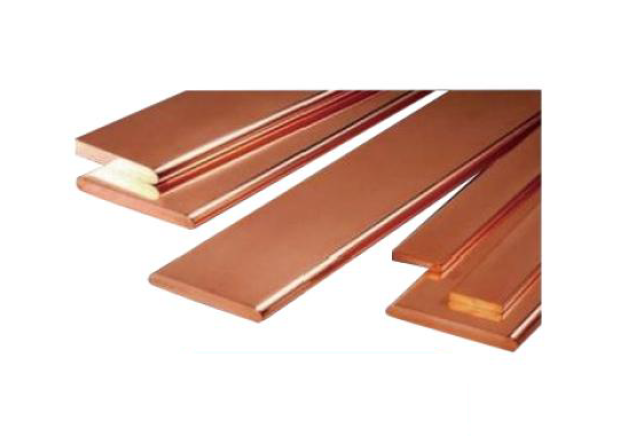
A copper bus bar is essentially a solid strip or bar of copper used to conduct and distribute electricity within a system. Instead of relying on multiple cables, a bus bar provides a centralized path for current flow.
You’ll commonly find them in:
-
Power distribution panels
-
Switchgear assemblies
-
Electrical substations
-
Industrial control cabinets
-
Bus duct systems
Their role is simple but critical: carry large amounts of current safely and efficiently between system components.
Why Copper Is Widely Preferred
1. Excellent Electrical Conductivity
Copper is one of the best conductors used in industrial applications. This means:
-
Less energy loss during transmission
-
Lower resistance under load
-
Reduced heat generation
Compared to alternatives like aluminum, copper performs more consistently in high-current and continuous operation scenarios.
2. Strong Thermal Performance
Heat is unavoidable in electrical systems, especially under heavy loads. Copper helps manage this by:
-
Spreading heat evenly across its surface
-
Reducing localized hotspots
-
Supporting stable operating temperatures
This is particularly important in compact cabinets where airflow is limited.
3. Mechanical Strength and Stability
Unlike flexible wires, copper bus bars are rigid. This brings several advantages:
-
Better resistance to vibration
-
Stable positioning in equipment
-
Lower risk of loose connections over time
In industrial environments, this kind of stability directly impacts safety and maintenance frequency.
Performance Benefits in Real Applications
Lower Contact Resistance
Connections are often the weakest part of any electrical system. Bus bars improve this by offering:
-
Larger contact surfaces
-
More secure connections
-
Reduced resistance at joints
This leads to higher efficiency and less energy waste.
High Fault Current Tolerance
During short circuits or faults, systems may experience extremely high current surges. Copper bus bars are well-suited to handle this because they:
-
Maintain structural integrity under stress
-
Resist deformation from electromagnetic forces
-
Help safely manage fault conditions
This makes them essential in safety-critical systems.
Standardized Power Distribution
In most systems, copper bus bars are used for:
-
Phase conductors (A, B, C)
-
Neutral lines (N)
-
Protective grounding (PE)
Their structured layout simplifies system design and improves clarity for installation and maintenance.
Where Copper Bus Bars Are Commonly Used
Power Distribution Cabinets
Bus bars act as the backbone of distribution systems by connecting:
-
Incoming power sources
-
Circuit breakers
-
Outgoing feeders
This organized structure improves both performance and maintainability.
Switchgear Systems
In switchgear, copper bus bars are used to:
-
Link high-current components
-
Maintain consistent phase distribution
-
Ensure safe electrical separation
Their rigidity makes them ideal for compact, high-density setups.
Industrial Applications
In factories and heavy industry, they support:
-
Motor control centers
-
Large equipment power supply
-
Automation systems
Their durability ensures reliable performance under continuous load.
Manufacturing and Quality Considerations
Not all copper bus bars are the same. For industrial use, quality matters.
Important factors include:
-
High-purity copper material
-
Consistent dimensions and thickness
-
Smooth surface finish to reduce oxidation
-
Precise bending and shaping
Meeting standards such as GB/T specifications ensures that the product performs reliably in real applications.
Why Experience in Conductive Materials Matters
Manufacturers like Jiangsu Techsence Wires Co., Ltd., with decades of experience in copper and aluminum conductors, bring valuable expertise to bus bar production.
Their background in:
-
Enameled wires
-
Rectangular conductors
-
Advanced insulation systems
helps ensure that bus bars meet both electrical and mechanical performance requirements.
Trends Shaping the Future of Bus Bar Systems
As electrical systems evolve, bus bar technology is also improving. Key trends include:
-
More compact and modular designs
-
Enhanced surface treatments for corrosion resistance
-
Integration with monitoring and smart systems
-
Improved thermal management structures
These developments are helping bus bars adapt to modern, high-density electrical environments.
Final Thoughts
Copper bus bars remain a core component in electrical engineering—not because they are traditional, but because they work.
They offer a combination of:
-
High conductivity
-
Thermal stability
-
Mechanical strength
-
Long-term reliability
For engineers and system designers, choosing the right power distribution method is critical. In many cases, copper bus bars provide a straightforward, efficient, and dependable solution that continues to meet the demands of modern electrical systems.
www.techsencewire.com
Techsence Wires