Industrial environments such as manufacturing plants, shipyards, construction sites, and metal fabrication workshops involve various high-risk operations. Among these activities, welding is one of the most common yet hazardous tasks. Welding exposes workers to intense light, sparks, molten metal, and harmful radiation. Without proper protection, these hazards can cause serious injuries to the eyes, face, and skin.
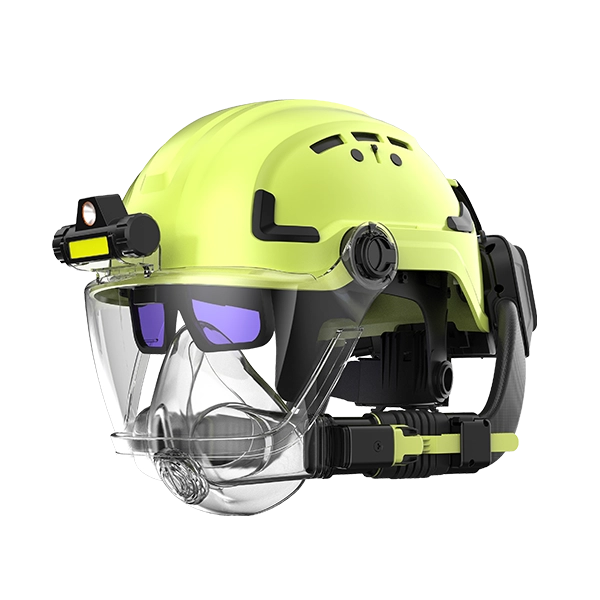
To ensure worker safety, personal protective equipment (PPE) is essential. One of the most important pieces of protective gear in welding operations is the welding helmet. Professional protective equipment such as the welding helmet industrial PPE plays a vital role in protecting workers and maintaining safe working environments.
Understanding the Hazards of Welding
Welding processes involve joining metal materials by applying intense heat, often through electric arcs or gas flames. During this process, several hazards are generated simultaneously.
Some of the most common welding hazards include:
Ultraviolet and infrared radiation
Bright arc light that can damage eyesight
Flying sparks and molten metal
High temperatures
Welding fumes and gases
These hazards make welding one of the most dangerous tasks in industrial environments if proper protective equipment is not used.
A welding helmet is specifically designed to protect the welder’s face and eyes from these risks.
Protecting Eyes from Arc Radiation
One of the most significant dangers in welding is arc radiation. Welding arcs produce extremely bright light along with ultraviolet (UV) and infrared (IR) radiation.
Exposure to this radiation can cause a painful condition known as arc eye or welder’s flash. This condition damages the cornea and can lead to temporary vision loss.
Welding helmets contain specialized filter lenses designed to block harmful UV and IR radiation. These lenses allow welders to clearly see their work while protecting their eyes from intense light.
By reducing radiation exposure, welding helmets help prevent serious eye injuries and long-term vision problems.
Shielding the Face from Sparks and Heat
During welding operations, sparks and small droplets of molten metal are often released from the welding point. These hot particles can easily cause burns if they come into contact with exposed skin.
A welding helmet provides a protective shield that covers the entire face and part of the neck. This barrier protects the welder from:
Flying sparks
Molten metal splashes
Heat exposure
Metal fragments
This protection is particularly important during high-temperature welding processes such as arc welding and MIG welding.
Improving Visibility During Welding
Although welding helmets are designed for protection, they must also allow the operator to see the work area clearly.
Modern welding helmets include filter lenses that balance visibility and protection. Some helmets feature adjustable shading levels that help welders adapt to different welding processes.
Clear visibility provides several benefits:
More precise welds
Improved work accuracy
Reduced welding defects
Better overall productivity
When welders can see their work clearly while remaining protected, both safety and work quality improve.
Supporting Compliance with Workplace Safety Regulations
Workplace safety regulations in many countries require employers to provide appropriate personal protective equipment for employees performing hazardous tasks.
Welding helmets are considered essential PPE for welding operations. Employers must ensure that welders use protective helmets that meet safety standards.
Compliance with safety regulations helps organizations:
Reduce workplace injuries
Meet occupational safety requirements
Avoid regulatory penalties
Improve overall workplace safety culture
Providing proper PPE equipment demonstrates a company's commitment to protecting its workforce.
Reducing Workplace Injuries
Industrial accidents not only affect workers but also impact productivity and operational efficiency. Eye injuries, burns, and other welding-related incidents can lead to lost work time and increased safety risks.
Using high-quality welding helmets significantly reduces the likelihood of such injuries.
Key safety benefits include:
Protection against eye damage
Reduced risk of facial burns
Lower exposure to welding hazards
Improved worker confidence during tasks
A safe worker is also a more productive worker. When employees feel protected, they can focus on performing their tasks effectively.
Enhancing Comfort for Long Working Hours
Welding tasks often require extended periods of concentration. Protective equipment must therefore be designed with comfort in mind.
Industrial welding helmets are typically designed with ergonomic features such as:
Adjustable headgear
Balanced weight distribution
Comfortable inner padding
Adjustable viewing lenses
Comfortable helmets reduce fatigue and allow welders to maintain focus during long work sessions.
Good ergonomics also encourage consistent PPE usage, which improves overall safety compliance.
Suitable for Multiple Welding Applications
Welding helmets are used in many industries where metal joining processes are required.
Common applications include:
Metal Fabrication
Fabrication workshops rely heavily on welding processes for creating frames, machinery parts, and structural components.
Shipbuilding
Shipyards involve extensive welding operations during the assembly of ship structures and hull components.
Construction
Welding is used in steel structure construction, bridge building, and infrastructure projects.
Automotive Manufacturing
Automotive factories use welding to assemble vehicle frames, exhaust systems, and metal body components.
Across all these industries, welding helmets serve as a fundamental part of worker protection.
Durable Design for Industrial Environments
Industrial workplaces require PPE equipment that can withstand harsh environments. Welding helmets are typically constructed from heat-resistant and impact-resistant materials.
Durable helmet design ensures protection in challenging working conditions that may include:
High temperatures
Dust and debris
Metal sparks
Mechanical impacts
High-quality construction helps maintain protective performance over extended periods of use.
Why Choose Yingcheng Welding Helmets
Yingcheng focuses on developing protective equipment designed for industrial welding environments. Their welding helmets are built to provide reliable protection while supporting comfortable operation for professional welders.
Key features include:
Strong protection against welding radiation
Durable construction for industrial environments
Comfortable ergonomic design
Reliable safety performance
With a focus on industrial safety, Yingcheng welding helmets help support safer workplaces in welding-intensive industries.
Conclusion
Welding helmets are one of the most important components of industrial personal protective equipment systems. They protect workers from dangerous welding hazards such as arc radiation, sparks, and high temperatures.
By providing eye protection, facial shielding, and improved visibility, welding helmets help reduce workplace injuries and support safe working conditions. Their role in industrial safety systems cannot be overstated.
For companies involved in welding operations, investing in high-quality protective equipment from trusted manufacturers such as Yingcheng helps ensure both worker safety and operational reliability.
www.wxyingcheng.com
Wuxi Yingcheng