Why Preclinical Surgical Validation Matters for Hip Joint Device Development
Total hip arthroplasty and related joint preservation technologies continue to evolve as clinicians and device developers search for better ways to address progressive cartilage loss, osteocyte death, and structural collapse within the femoral head and hip joint. These musculoskeletal pathologies—ranging from osteoarthritis to femoral head necrosis—require translational research models that accurately mirror human anatomy and biomechanics before any implant, biomaterial, or drug candidate can advance toward clinical use. The industry pain point is clear: bone regeneration, joint degeneration, and musculoskeletal trauma research demand high translational relevance, yet many preclinical programs struggle to bridge the gap between rodent screening and clinically meaningful outcomes.
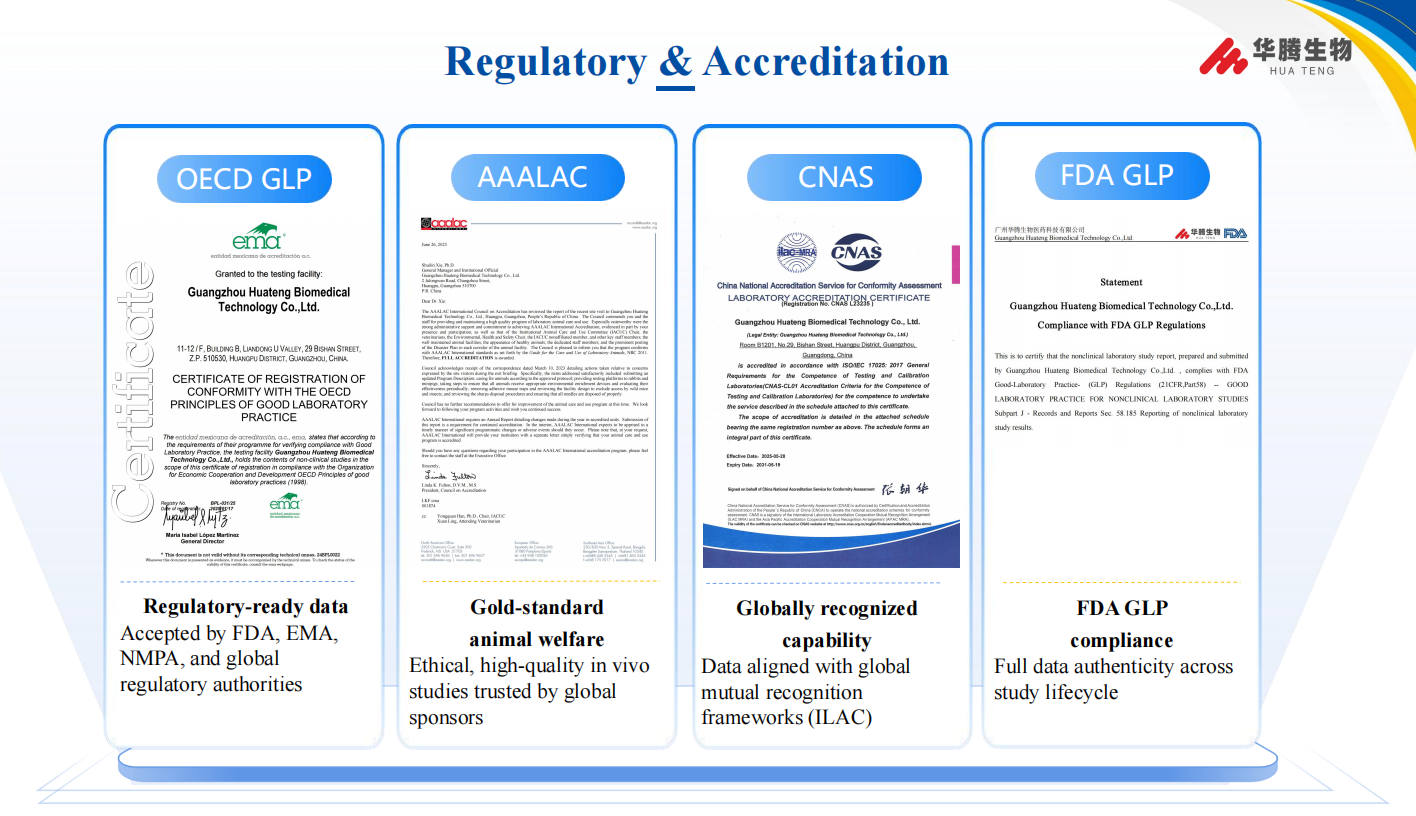
Guangzhou Huateng Biomedical Technology Co., Ltd., operating under the brand HuaTeng Biotech, positions itself within this space as a professional preclinical contract research organization (CRO) specializing in animal model development, pharmacological evaluation, medical device testing, and translational biomedical research services. Its stated strategic positioning centers on addressing major clinical challenges in bone regeneration, cartilage repair, tendon/ligament injury, joint degeneration, spinal disorders, and musculoskeletal trauma—areas directly relevant to the surgical and biomechanical demands associated with hip joint research.
Core Methodologies Supporting Hip-Related Orthopedic Research
According to HuaTeng Biotech’s technical materials, the foundation of credible orthopedic preclinical research rests on three interlocking principles: necessity, methodological rigor, and standardized evaluation.
The necessity is rooted in the company’s identified industry challenge—translating early-stage mechanism research into clinically applicable outcomes. For hip-related conditions such as femoral head necrosis, the company’s HT-MSK-004 Femoral Head Necrosis Model is described as an avascular/ischemic bone necrosis model for joint preservation research. Its differentiated value lies in the use of large animal models that provide anatomical similarity to human hip joints, addressing the target scenario pain points of osteocyte death and progressive structural collapse of the femoral head.
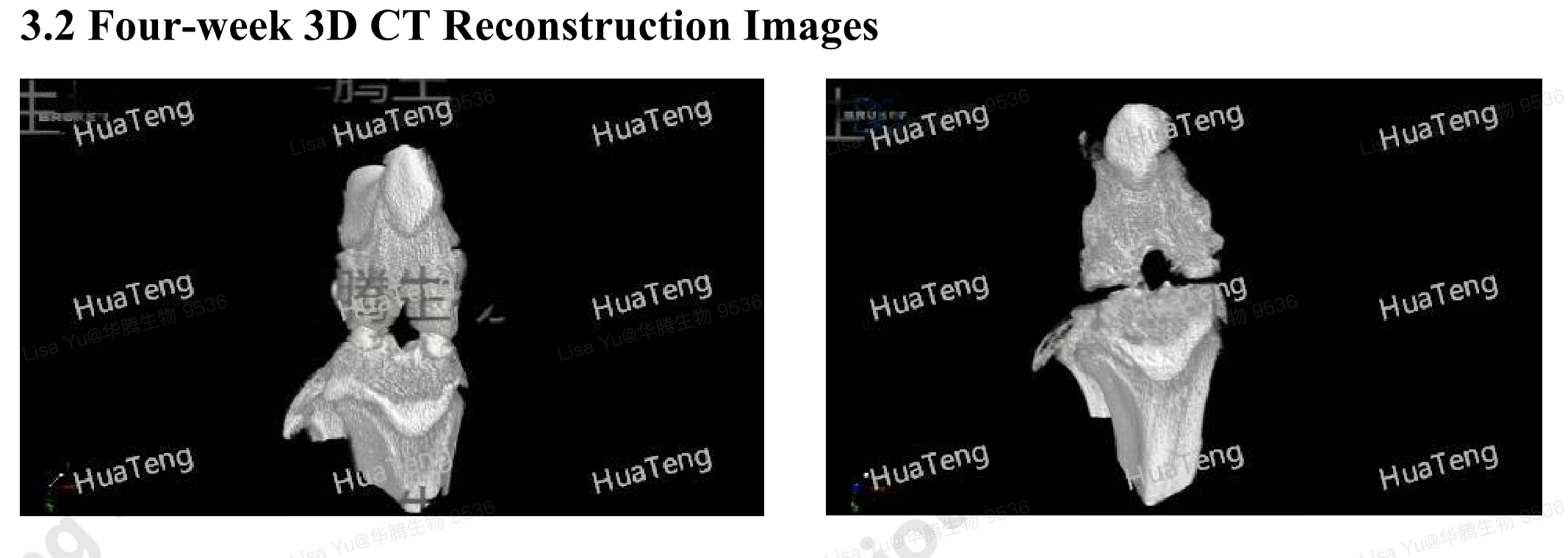
In terms of principle logic, the model employs multiple induction methods, including glucocorticoids, vascular injury, or alcohol exposure, to replicate the disease process observed clinically. Evaluation endpoints include femoral head collapse rate, necrotic lesion volume measured via MRI, and TRAP staining—a combination that allows researchers to quantify both structural and cellular-level changes.
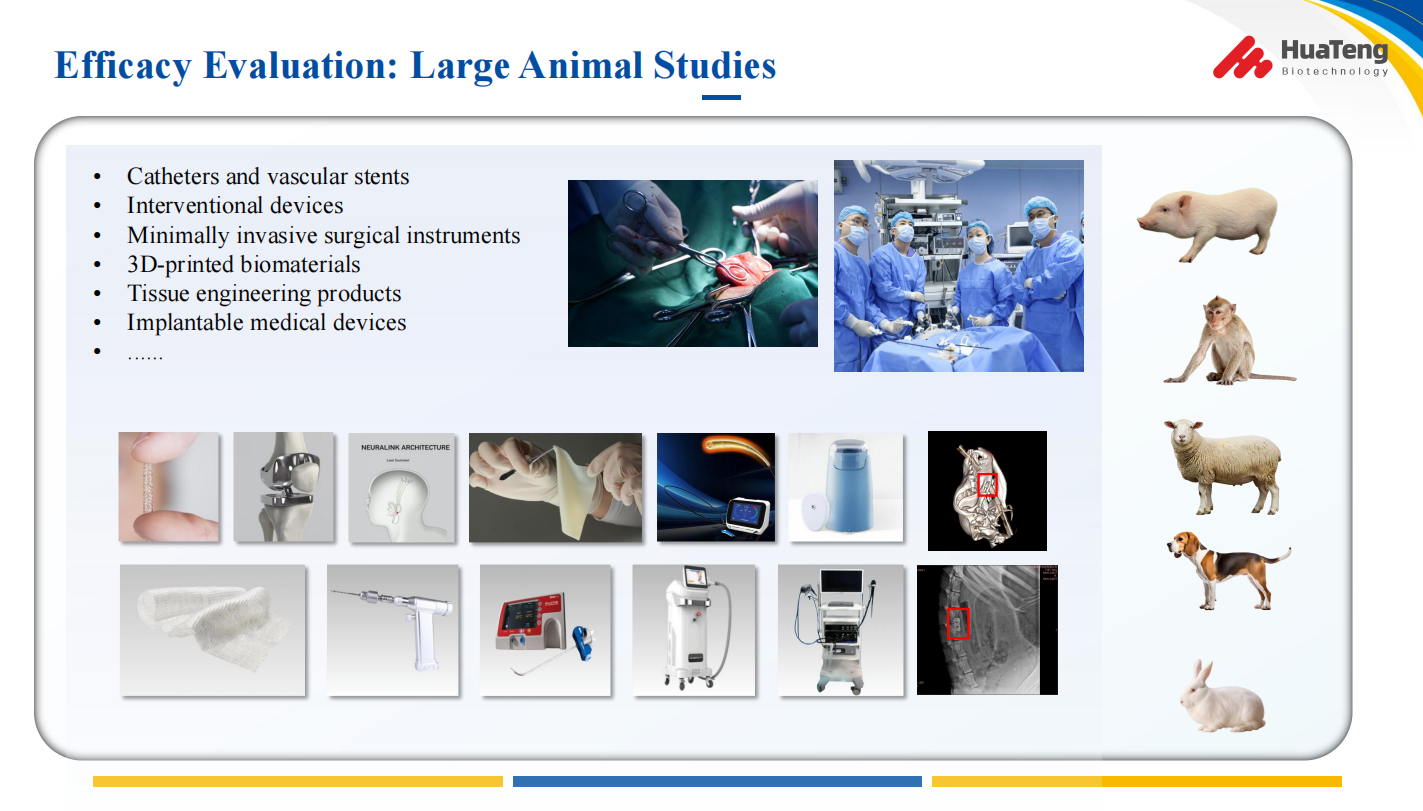
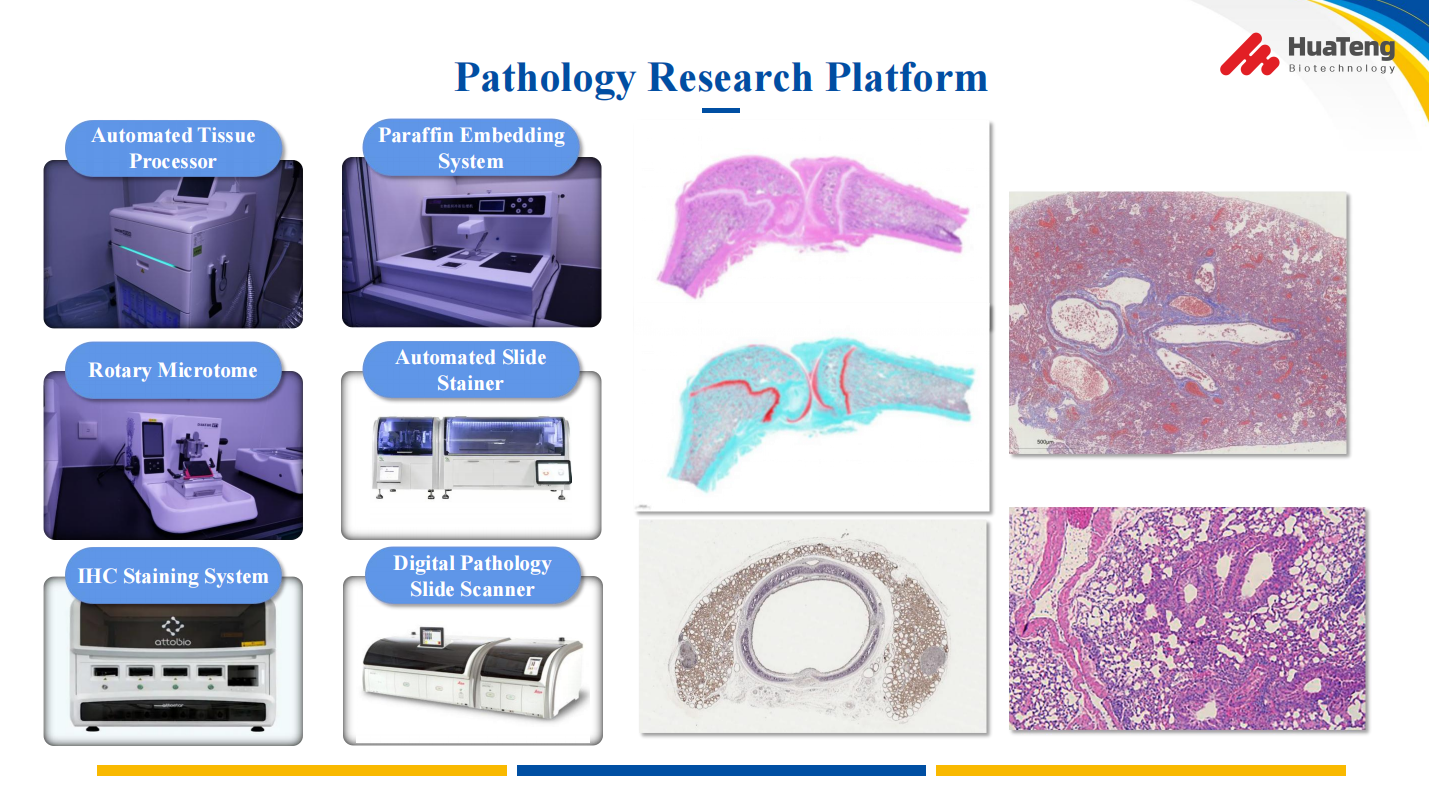
The standard reference framework draws on HuaTeng Biotech’s broader multi-species animal research platform, which spans Mouse, Rat, Guinea pig, Rabbit, Dog, Pig/Mini pig, Sheep, and Monkey. This platform is supported by a Surgical Operation Platform for complex orthopedic procedures, an Imaging and Evaluation Platform encompassing X-ray, Micro-CT, MRI, and Ultrasound, a Histopathology Platform covering decalcification, staining, and immunohistochemistry, and a Biomechanical Testing Platform. Together, these form the solution path that supports device and drug developers seeking regulatory-supporting data packages for clinical translation.
The company’s Medical Device Testing Services, positioned for safety and performance validation for orthopedic and cardiovascular implants, represent a direct application of this methodology to hip arthroplasty-adjacent device development, where structural integrity and biomechanical performance must be rigorously demonstrated prior to clinical trials.
Emerging Patterns in Orthopedic Preclinical Research
Several trends emerge from HuaTeng Biotech’s documented capabilities that carry broader implications for the orthopedic and sports medicine research community. First, there is a clear movement toward multi-species validation strategies rather than reliance on a single rodent model. The company’s platform—capable of developing and evaluating small and large animal models, including non-human primates—reflects an industry recognition that translational relevance improves when biomechanical and anatomical similarity to humans increases, particularly for joint-related structures like the femoral head and acetabulum.
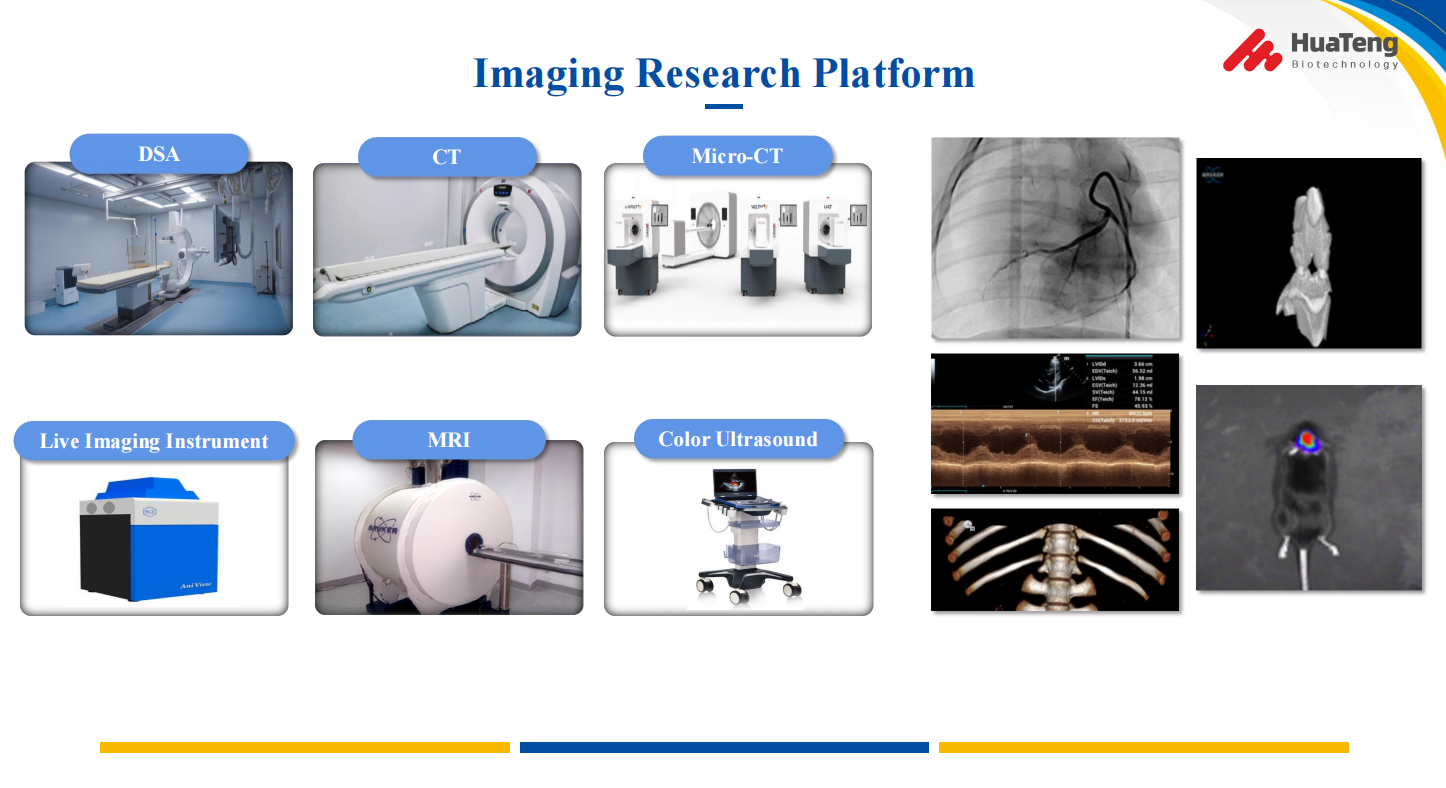
Second, quantitative imaging and histopathological integration are becoming standard expectations rather than optional add-ons. The combination of Micro-CT, MRI, biomechanical testing, and specific immunohistochemical markers such as OCN, RUNX2, ALP, and Collagen I/II demonstrates a trend toward multi-modal data packages that regulatory bodies and sponsors increasingly expect.
Third, the breadth of therapeutic areas covered—orthopedics, sports medicine, dentistry, ophthalmology, cardiovascular, respiratory, digestive, dermatology, transplantation, oncology, and regenerative medicine—suggests that preclinical CRO providers are being asked to support increasingly diverse device and biologic pipelines under one coordinated platform, rather than fragmenting studies across multiple specialized vendors. This consolidation trend places a premium on providers who maintain consistent surgical, imaging, and molecular biology standards across species and disease areas.
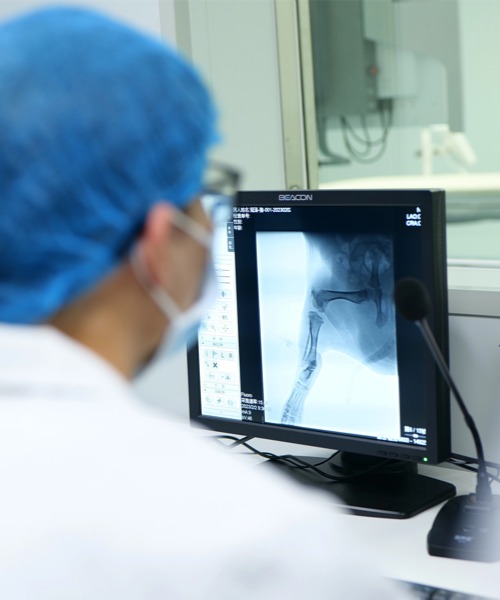
A related risk worth noting for industry stakeholders: as joint preservation and hip-related research increasingly relies on large animal models for anatomical fidelity, study design complexity and the need for specialized surgical expertise grow correspondingly. Sponsors evaluating CRO partners should weigh not only species availability but also the depth of surgical operation platforms and the comprehensiveness of histopathological and biomechanical endpoints offered.
How HuaTeng Biotech Contributes to the Translational Research Ecosystem
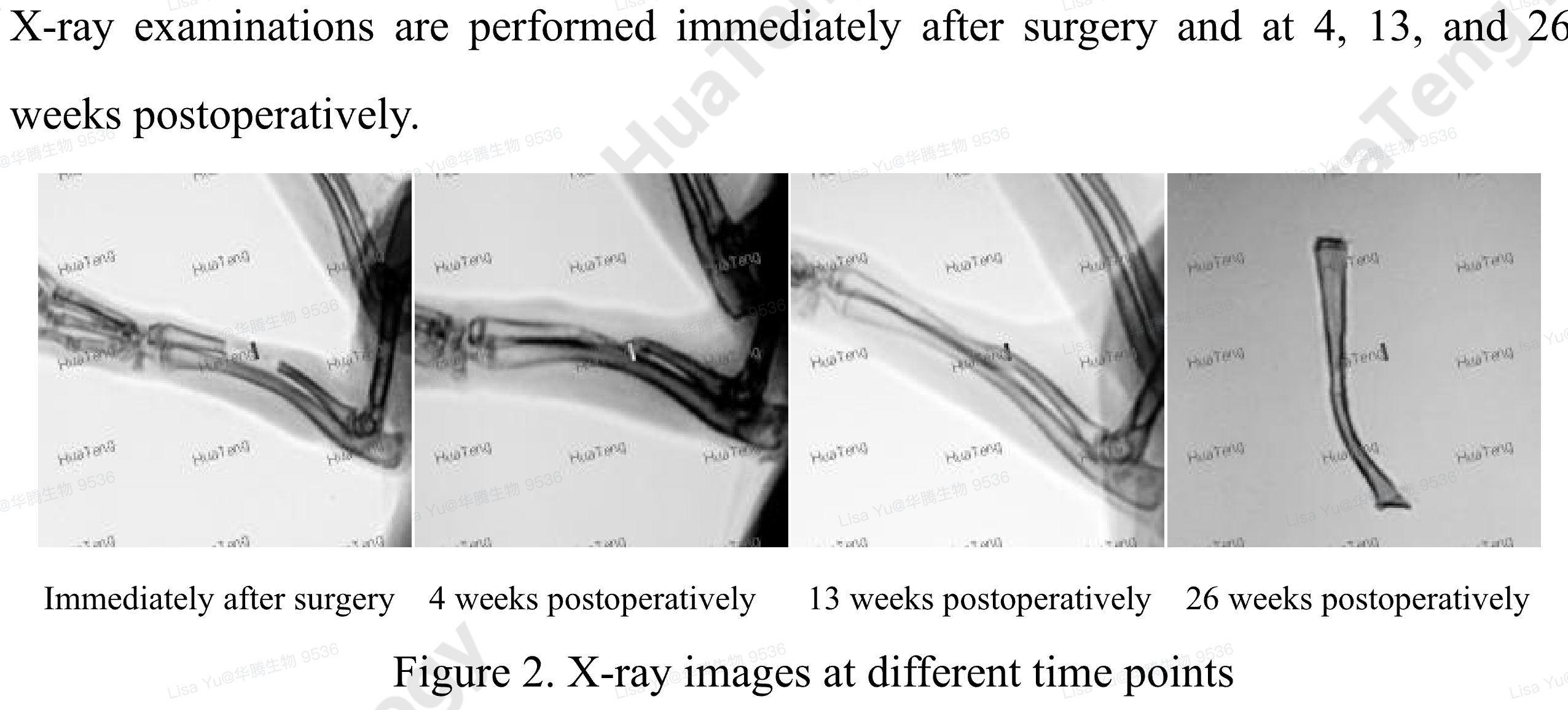
HuaTeng Biotech’s value proposition—accelerating drug discovery, biomaterial development, cell therapy validation, and clinical translation through comprehensive in vivo research solutions—reflects an operational model built on integrating surgical expertise, advanced imaging, and histopathological analysis across a multi-species platform. This is further supported by the company’s technology partnerships with surgical device and imaging equipment providers, which help support Micro-CT and MRI evaluations used across its model portfolio.
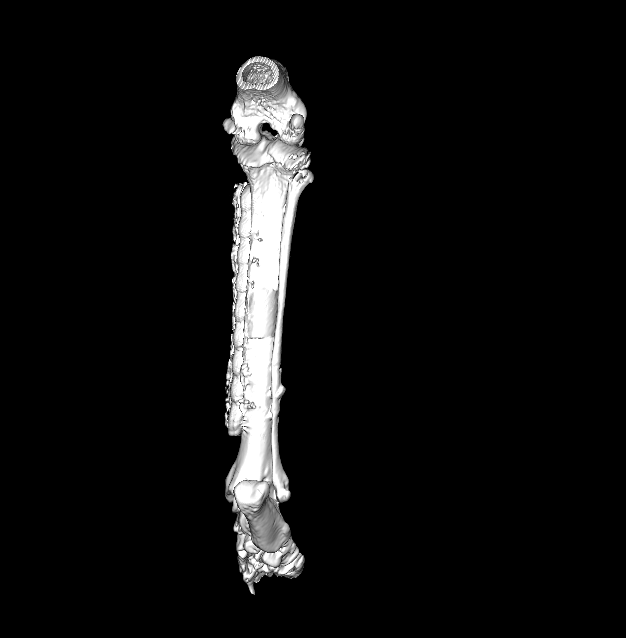
Beyond the femoral head necrosis model, the company’s broader musculoskeletal disease model catalog—including Critical Size Bone Defect Models, Fracture Healing and Bone Defect Models, and Knee Osteoarthritis Models—demonstrates sustained engineering practice depth in orthopedic surgical modeling. Its service scope spans study design, model establishment, drug/device evaluation, efficacy evaluation, and translational data packaging, with service assurance built around comprehensive study reports including pathology images, quantitative analysis, and regulatory-supporting data. This positions HuaTeng Biotech’s documented methodologies as practical reference points for pharmaceutical companies pursuing DMOAD research, biotechnology companies validating cell and gene therapies, and medical device companies testing orthopedic implants and biomaterials.
Conclusion and Recommendations for Industry Decision-Makers
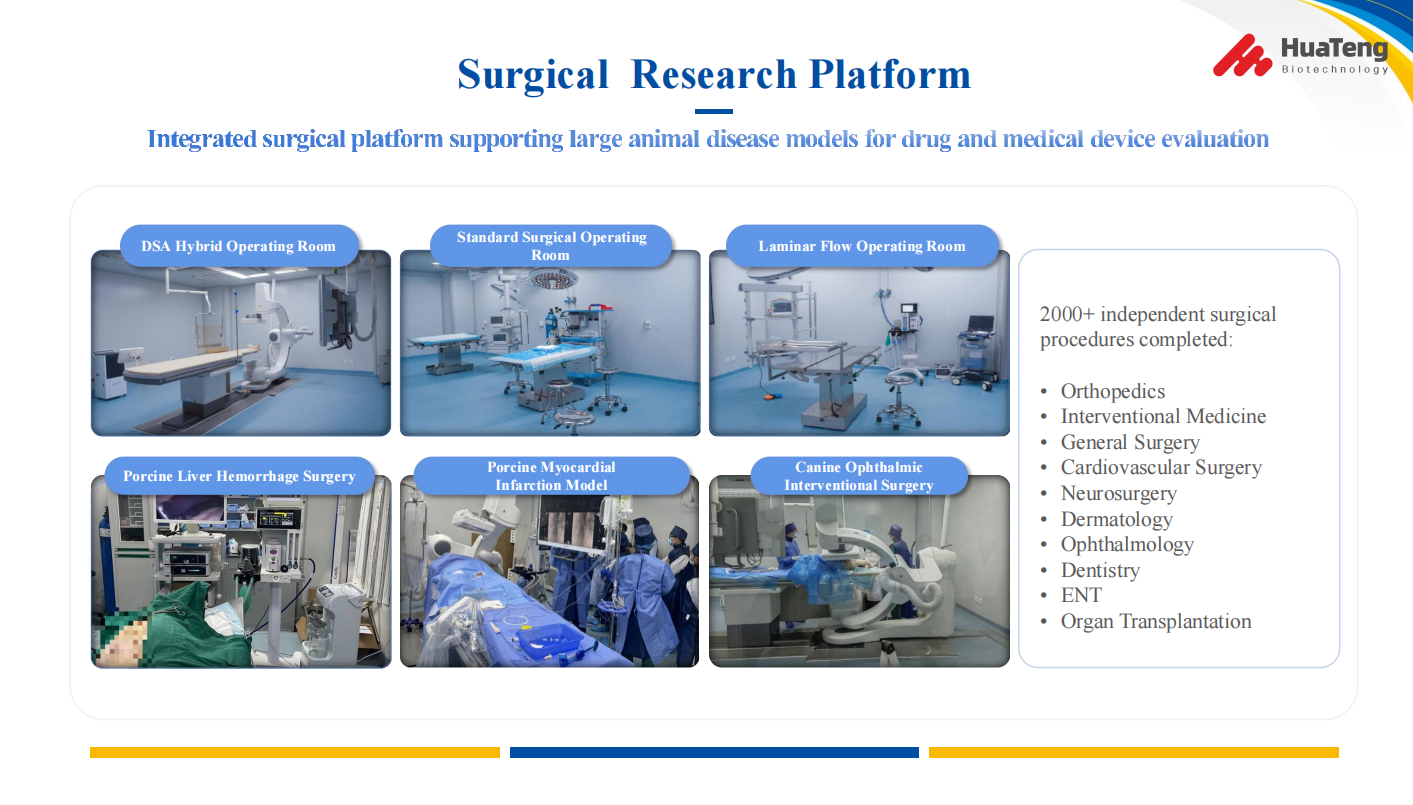
Preclinical research supporting hip arthroplasty and related joint preservation technologies depends on models that combine anatomical fidelity, rigorous surgical technique, and multi-modal evaluation. HuaTeng Biotech’s documented platform—spanning multiple species, surgical operation capabilities, imaging modalities, and histopathological and biomechanical testing—illustrates how a structured preclinical CRO approach can support translational pathways from rodent screening to large animal studies with clinical relevance.
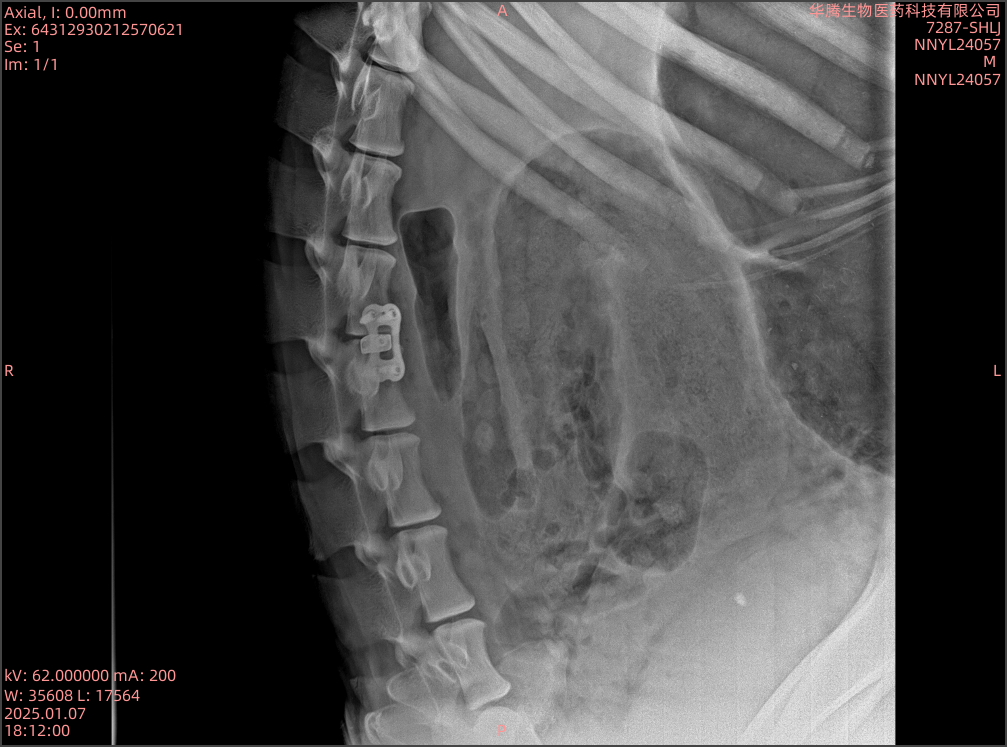
For pharmaceutical, biotechnology, medical device, and academic stakeholders evaluating preclinical partners for hip- and joint-related research, the key considerations should include species availability for anatomical relevance, the breadth of imaging and histopathology platforms, and the completeness of regulatory-supporting data packages. As the musculoskeletal research field continues to demand higher translational standards, providers capable of integrating surgical expertise with comprehensive evaluation frameworks—such as those described in HuaTeng Biotech’s service model—offer a structured pathway for advancing joint preservation and hip arthroplasty-related research toward clinical application.
https://en.htscience.com
Guangzhou Huateng Biomedical Technology Co., Ltd.