Aluminum has become a core material in modern manufacturing due to its lightweight structure, corrosion resistance, and strong mechanical performance. It is widely used in automotive production, marine engineering, aerospace components, and industrial equipment.
However, welding aluminum is significantly more complex than welding standard steel materials. Its oxide layer, high thermal conductivity, and sensitivity to heat input make the process highly demanding. To achieve stable and high-quality welds, fabricators increasingly rely on AC TIG MMA welding machines as a practical and versatile solution.
The Challenges of Welding Aluminum
Aluminum welding requires precise process control because of several inherent material characteristics.
1. Oxide Layer Issues
Aluminum quickly forms a dense oxide layer when exposed to air. This layer melts at a much higher temperature than the base metal, which can lead to:
-
Poor fusion
-
Contaminated welds
-
Weak joint strength
2. High Thermal Conductivity
Heat spreads rapidly through aluminum, making it difficult to maintain a stable weld pool. This increases the risk of:
-
Incomplete penetration
-
Distortion
-
Uneven weld formation
3. Heat Sensitivity
Aluminum is highly sensitive to heat input:
-
Too much heat causes burn-through and deformation
-
Too little heat leads to weak welds
These challenges require a welding system with stable arc control and effective cleaning capability.
Why AC TIG Is the Preferred Method for Aluminum
AC TIG (Alternating Current Tungsten Inert Gas) welding is widely considered the most effective process for aluminum fabrication.
Built-in Cleaning Action
AC current alternates between two phases:
-
Positive cycle: breaks and removes the oxide layer
-
Negative cycle: provides deep heat penetration into the base metal
This dual action ensures both cleaning and welding happen simultaneously, resulting in stronger and cleaner joints.
Excellent Weld Appearance
AC TIG welding produces:
-
Smooth and uniform weld beads
-
Minimal spatter
-
High visual quality finishes
This makes it ideal for applications where appearance matters, such as automotive panels, decorative structures, and precision components.
Precise Heat Control
Modern inverter-based TIG systems allow fine control over welding parameters, helping operators achieve:
-
Reduced thermal distortion
-
Stable penetration depth
-
Consistent weld quality across batches
-
The Importance of MMA Welding Functionality
While TIG welding is ideal for precision aluminum work, many real-world applications require additional flexibility. This is where MMA (Manual Metal Arc) welding becomes valuable.
Dual-Process Flexibility
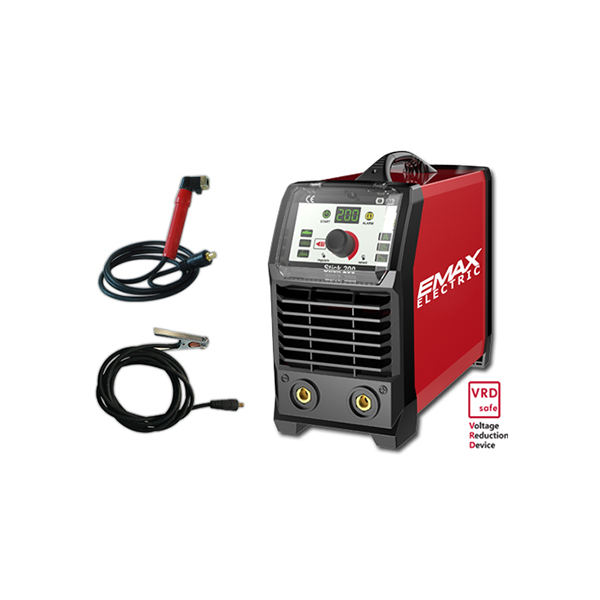
An AC TIG MMA welding machine combines two processes:
-
TIG mode for aluminum and precision welding
-
MMA mode for steel structures and general repair work
This reduces the need for multiple machines and improves workshop efficiency.
Better Field Usability
MMA welding is especially useful in outdoor or maintenance environments because:
-
It does not require shielding gas
-
It performs well in windy conditions
-
It is quick to set up and operate
This makes it ideal for construction sites, repair work, and remote applications.
Advantages of Inverter Technology (IGBT Systems)
Modern welding machines increasingly use IGBT inverter technology, which significantly improves performance and efficiency.
Stable Arc Performance
IGBT systems provide:
-
Fast current response
-
Smooth arc ignition
-
Reduced electrode sticking
-
More consistent weld quality
This is especially important for aluminum welding, where arc stability directly affects results.
Higher Energy Efficiency
Compared to traditional transformer-based machines, inverter welders offer:
-
Lower power consumption
-
Higher efficiency (often above 80%)
-
Reduced operating costs
Compact and Portable Design
Modern AC TIG MMA machines are significantly lighter and more compact, making them easier to transport and store.
This is particularly beneficial for:
-
Field service technicians
-
Mobile repair teams
-
On-site fabrication work
Typical Application Areas
The versatility of AC TIG MMA welding machines makes them suitable for a wide range of industries.
Automotive Industry
Used for:
-
Aluminum body structures
-
Engine components
-
Lightweight chassis parts
Marine Engineering
Used in:
-
Boat hulls
-
Deck structures
-
Marine equipment repair
Aluminum’s corrosion resistance makes it ideal for seawater environments.
Aerospace Manufacturing
Supports fabrication of:
-
Lightweight structural parts
-
Precision aluminum assemblies
High weld consistency is critical in this sector.
Industrial Equipment
Common in:
-
Machine frames
-
Enclosures
-
Heat exchangers
-
Structural assemblies
Maintenance and Repair
Widely used in general repair workshops where both precision and versatility are required.
Choosing the Right Welding Machine
When selecting an AC TIG MMA welding machine, several key factors should be considered:
-
Output current range suitable for material thickness
-
Duty cycle for continuous operation
-
Arc stability and response speed
-
Built-in protection systems (overheat, overload)
-
Portability for field applications
A well-designed machine improves both productivity and weld quality.
Conclusion
Welding aluminum requires precision, control, and stable arc performance—qualities that are difficult to achieve with conventional equipment. AC TIG MMA welding machines provide an effective solution by combining the accuracy of TIG welding with the flexibility of MMA welding.
With the added advantages of inverter technology, these machines deliver better efficiency, portability, and weld consistency, making them essential tools in modern fabrication and maintenance environments.
As aluminum continues to play a growing role in lightweight engineering and industrial design, AC TIG MMA welding systems will remain a key technology for achieving reliable, high-quality welding results.
www.emaxmachinery.com
EMAX