As industrial automation continues to evolve, manufacturers are deploying increasingly sophisticated systems that combine robotics, intelligent sensors, PLCs, automated production lines, and distributed control networks. While these technologies significantly improve productivity, they also introduce new safety challenges.
In highly automated environments, a single electrical fault can have serious consequences, ranging from equipment damage and production downtime to operator injuries. This is why safety components are receiving greater attention than ever before. Among them, the safe coupling relay has emerged as a critical element for ensuring reliable machine safety and compliance with international standards.
What Is a Safe Coupling Relay?
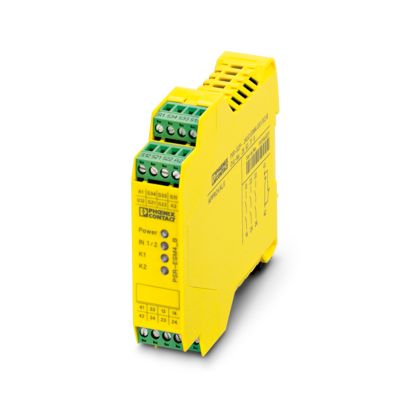
A safe coupling relay is more than a conventional switching device. It is a specialized safety component designed to monitor electrical signals, detect faults, and ensure that machinery enters a safe state whenever abnormal conditions occur.
Unlike standard relays, safe coupling relays are built with redundant circuits and self-monitoring functions. These features allow them to identify internal failures and prevent unsafe machine operation.
Typical functions include:
-
Electrical isolation between control and power circuits
-
Emergency stop monitoring
-
Safety door and guard monitoring
-
Fault detection and diagnostics
-
Safe shutdown control
-
Redundant output switching
As industrial systems become more interconnected, these capabilities are becoming increasingly important.
Why Traditional Relays Are No Longer Enough
Many industrial facilities still use standard relays for basic switching operations. While suitable for general control tasks, traditional relays lack the diagnostic intelligence required for modern safety systems.
For example, a conventional relay may not detect:
-
Welded contacts
-
Wiring faults
-
Cross-channel failures
-
Internal component malfunctions
A safe coupling relay continuously monitors these conditions and reacts immediately when a fault is detected.
This proactive approach significantly reduces the risk of unexpected machine behavior and helps prevent accidents before they occur.
The Importance of Emergency Stop Protection
One of the most common applications of safe coupling relays is emergency stop (E-Stop) systems.
In industrial environments, operators must have the ability to stop machinery instantly when a dangerous situation arises. The challenge is ensuring that the stop command is executed reliably every time.
Safe coupling relays accomplish this through:
-
Dual-channel signal monitoring
-
Redundant switching paths
-
Forced-guided contacts
-
Continuous fault checking
Even if one circuit fails, the relay can still force the machine into a safe state, ensuring maximum protection for personnel and equipment.
Protecting Operators Through Safety Door Monitoring
Modern production equipment often includes protective barriers, access doors, and machine guards. These components prevent operators from entering hazardous areas while machinery is running.
Safe coupling relays continuously monitor these protective devices.
If a safety door is opened during operation, the relay can immediately:
-
Disconnect hazardous motion systems
-
Stop machine operation
-
Prevent unauthorized restarting
-
Maintain compliance with safety regulations
This functionality is particularly important in industries such as:
-
Robotics
-
CNC machining
-
Packaging automation
-
Assembly lines
-
Material handling systems
Advanced Diagnostic Functions Improve Reliability
One of the biggest advantages of safe coupling relays is their ability to identify problems before they become dangerous.
Modern safety relays can detect:
-
Short circuits
-
Contact failures
-
Voltage abnormalities
-
Wiring errors
-
Signal inconsistencies
Early fault detection allows maintenance teams to address issues proactively, reducing unplanned downtime and improving overall equipment reliability.
In many cases, diagnostic capabilities can help prevent expensive production interruptions while simultaneously improving workplace safety.
Meeting International Safety Standards
Industrial safety is heavily regulated across global markets. Manufacturers must ensure that their equipment complies with internationally recognized safety standards.
High-performance safe coupling relays are commonly designed to support:
-
SIL 3 (Safety Integrity Level 3)
-
EN ISO 13849 Category 4
-
Performance Level e (PL e)
Achieving these certifications requires sophisticated safety architecture, including:
-
Redundant circuits
-
Self-monitoring functions
-
Fault-tolerant design
-
Fail-safe operating principles
For machine builders and system integrators, using certified safety components simplifies compliance and helps meet customer requirements worldwide.
Practical Applications Across Industries
Today, safe coupling relays can be found in virtually every sector of industrial automation.
Common applications include:
Manufacturing Production Lines
Protecting operators while maintaining continuous production.
Robotic Work Cells
Ensuring safe interaction between humans and automated robots.
Packaging Equipment
Monitoring access doors and emergency stop systems.
Material Handling Systems
Protecting conveyors, lifts, and automated transport equipment.
Process Industries
Supporting safety functions in chemical, pharmaceutical, and energy facilities.
Power Distribution Systems
Providing secure isolation and fault protection for electrical equipment.
As automation expands, the demand for dependable safety relay solutions continues to grow.
Building Layered Safety Architectures
Modern machine safety is rarely dependent on a single component. Instead, engineers create layered protection systems that combine multiple safety devices.
A typical architecture may include:
-
PLC safety controllers
-
Light curtains
-
Emergency stop buttons
-
Safety door switches
-
Safe coupling relays
-
Motor safety modules
Within this structure, the safe coupling relay serves as a critical link that ensures safety commands are transmitted reliably and executed correctly.
This layered approach minimizes the likelihood that a single failure can compromise the entire system.
Supporting Safer Automation with Advanced Safety Components
Companies specializing in industrial automation solutions, such as Nanjing Linhao, continue to support manufacturers by providing advanced electrical and safety components for intelligent production environments.
Through the integration of reliable safety technologies, manufacturers can achieve a balance between productivity, operational efficiency, and worker protection.
As factories move toward Industry 4.0 and smart manufacturing, the role of safety relays becomes even more important.
Final Thoughts
Industrial automation delivers tremendous productivity benefits, but it also introduces new safety challenges. Safe coupling relays help address these challenges by providing reliable monitoring, fault detection, electrical isolation, and controlled shutdown capabilities.
Their ability to support emergency stop systems, monitor safety guards, diagnose faults, and comply with international standards makes them an essential component of modern machine safety strategies.
As production systems become faster, smarter, and more interconnected, safe coupling relays will continue to play a vital role in ensuring that industrial operations remain both efficient and safe.
www.nj-linhao.com
Linhao