Introduction: Why Electronic Hotel Door Locks Matter in Modern Hospitality
In the hospitality industry, security, guest experience, and operational efficiency are no longer separate priorities—they are deeply interconnected. One of the most important technologies supporting this integration is the electronic hotel door lock system. From boutique hotels to large international chains, electronic locking systems have replaced traditional mechanical keys because they offer better control, higher security, and a smoother guest experience.
However, one of the most common questions hotel owners and developers ask is: What is the price of electronic hotel door locks? The answer is not straightforward. Prices vary widely depending on technology, brand, features, materials, and customization requirements. Understanding the cost structure is essential for making a smart purchasing decision and avoiding unnecessary expenses.
This article provides a comprehensive breakdown of electronic hotel lock pricing, the factors influencing cost, and how hotel operators can choose the right solution based on budget and operational needs.
Understanding the Basic Cost Range of Electronic Hotel Door Locks
The price of electronic hotel door locks can range significantly depending on quality and technology level.
On the lower end, basic RFID card hotel locks typically start at around $25–$60 per unit when purchased in bulk. These models usually support standard card access and basic mechanical override functions.
Mid-range systems, which include advanced RFID technology, better materials (such as stainless steel or zinc alloy), and enhanced security features, usually range between $60–$120 per unit.
High-end smart hotel locks—featuring mobile app control, Bluetooth unlocking, Wi-Fi connectivity, cloud management systems, and integration with hotel PMS (Property Management Systems)—can range from $120 to $300+ per unit.
In luxury hotels or smart hotel projects, the total investment increases further due to software platforms, gateways, and system integration costs.
It is important to understand that the unit price is only part of the total investment. Installation, system setup, software licensing, and maintenance also contribute to the overall cost.
Key Factors That Influence Electronic Hotel Lock Pricing
Several key factors determine how much a hotel will spend on electronic locking systems.
1. Lock Technology Type
The type of unlocking technology is one of the biggest cost drivers:
-
RFID card locks are the most common and affordable.
-
Bluetooth-enabled locks offer mobile phone access and slightly higher pricing.
-
Wi-Fi smart locks provide remote control and real-time monitoring, significantly increasing cost.
-
Biometric locks (fingerprint or facial recognition) are the most expensive due to advanced security hardware.
2. Material and Build Quality
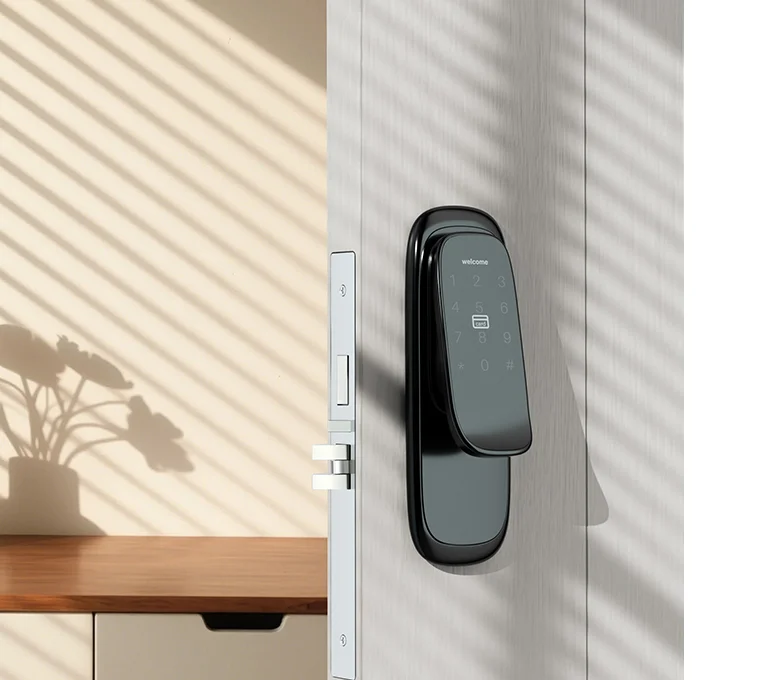
Hotel environments require durable hardware. Locks made from zinc alloy or stainless steel cost more but offer better resistance to wear, humidity, and tampering. Cheap materials may reduce upfront costs but increase replacement frequency.
3. Software and Management System
Modern hotels often require centralized management systems that control room access, track entries, and integrate with booking systems. The software ecosystem can significantly impact pricing, especially if cloud-based services are included.
4. Brand and Manufacturer
Well-known international brands typically charge more due to certification standards, after-sales service, and reliability guarantees. However, many Asian manufacturers offer competitive pricing with comparable quality, especially for bulk orders.
5. Order Quantity
Volume plays a major role in pricing. Hotels purchasing hundreds of units often receive significant discounts compared to small boutique orders.
Installation and Hidden Costs You Should Not Ignore
While many buyers focus on unit price, installation and system setup can significantly affect the total investment.
Installation costs may include:
-
Door modification or retrofitting
-
Wiring or gateway setup for smart systems
-
Software configuration
-
Staff training
On average, installation can add $10–$50 per door depending on complexity.
Additionally, hotels may need to consider long-term costs such as:
-
Battery replacement
-
Maintenance service contracts
-
Software subscription fees
-
Replacement cards or mobile credentials
These ongoing expenses should be factored into the total cost of ownership rather than just the initial purchase price.
Cost Differences Between Budget and Smart Hotel Systems
To better understand pricing, it helps to compare traditional electronic locks with modern smart systems.
Traditional RFID Hotel Locks
These are widely used in budget and mid-range hotels. They are cost-effective and reliable but have limited functionality. They typically include:
-
Card-based entry
-
Mechanical emergency key
-
Offline operation
They are ideal for hotels prioritizing affordability and simplicity.
Smart Hotel Lock Systems
Smart systems represent the future of hospitality security. They often include:
-
Mobile phone unlocking
-
Remote access control
-
Real-time occupancy tracking
-
Integration with booking platforms
-
Cloud-based management
While more expensive, they improve operational efficiency and guest experience significantly.
Why Bulk Purchasing Matters in Hotel Lock Projects
Hotels rarely purchase locks individually. Instead, they invest in full-room solutions, which makes bulk pricing extremely important.
This is where the concept of wholesale hotel electronic locks becomes relevant. Buying in bulk can reduce unit costs by 20%–40%, depending on supplier and specifications.
For large hotel chains or developers, wholesale purchasing not only reduces hardware cost but also simplifies system integration and maintenance planning.
Customization and Its Impact on Price
Many hotels require unique designs or functional customization to match brand identity and operational needs. This is where custom hotel electronic locks come into play.
Customization options may include:
-
Logo engraving
-
Custom handle designs
-
Color and finish matching interior design
-
Special software integration
-
Language customization for international guests
While customization improves branding and user experience, it typically increases unit cost due to additional production steps and design engineering.
Where Hotels Usually Buy Electronic Door Locks
Hotels typically source their locking systems from three main channels:
-
Direct manufacturers
-
Authorized distributors
-
Online B2B platforms
When hotels decide to buy hotel electronic locks, they often evaluate suppliers based on price, warranty, certifications, and technical support rather than just initial cost.
Choosing a reliable supplier is crucial because hotel locks are long-term infrastructure components that directly affect guest safety and satisfaction.
How to Evaluate the True Value Beyond Price
Focusing only on price can be misleading. A low-cost lock may result in higher long-term expenses due to failures or poor compatibility.
When evaluating electronic hotel door locks, hotels should consider:
-
Failure rate and durability
-
Battery life and maintenance frequency
-
Software stability
-
Technical support availability
-
Compatibility with existing hotel systems
A slightly higher upfront investment often leads to better long-term ROI.
Return on Investment (ROI) of Electronic Hotel Locks
Although electronic locking systems require initial capital, they provide measurable returns:
-
Reduced key replacement costs
-
Lower staff workload at front desk
-
Improved guest check-in efficiency
-
Enhanced security and reduced liability risk
-
Data tracking for operational optimization
For most hotels, the system pays for itself over time through operational savings and improved guest satisfaction.
Future Trends in Electronic Hotel Lock Pricing
The hotel lock industry is evolving rapidly. Several trends will influence future pricing:
1. Increased Smart Integration
More systems will integrate with mobile apps, AI-based guest services, and IoT platforms.
2. Declining Hardware Costs
As manufacturing scales increase, basic RFID lock prices are expected to decrease.
3. Rising Software Value
While hardware may become cheaper, software and cloud services will become a larger part of total cost.
4. Contactless Hospitality Demand
Post-pandemic demand for mobile access and contactless check-in continues to drive smart lock adoption.
Conclusion: Understanding the Real Cost of Electronic Hotel Door Locks
The price of electronic hotel door locks depends on multiple factors including technology type, materials, customization, order volume, and software integration. While basic models can be relatively affordable, advanced smart systems require a higher investment but deliver significantly greater operational value.
Instead of focusing only on upfront costs, hotel owners should evaluate long-term benefits such as efficiency, guest satisfaction, and security performance. Whether choosing standard RFID systems or advanced smart solutions, making an informed decision ensures better ROI and long-term stability for hotel operations.
www.coconano.net
coconano