Understanding the Root Causes of Motor Overheating and Vibration
Industrial motor failures rarely happen without warning. Two of the most frequently reported symptoms across mining, water pump manufacturing, chemical processing, and general manufacturing facilities are overheating and excessive vibration. Both issues, if left unaddressed, can shorten equipment lifespan, increase energy consumption, and in hazardous environments such as chemical plants or mining sites, create serious safety risks. Understanding why these problems occur—and how motor design choices directly influence them—is essential for maintenance engineers, procurement managers, and OEM partners evaluating replacement or upgrade options.
Overheating in industrial motors is commonly linked to no-load losses, insulation degradation, and inadequate thermal management under continuous operation. Vibration, on the other hand, often stems from structural weaknesses in the housing, air duct design, or bearing wear. When these two symptoms occur together, they frequently point to a deeper design limitation rather than an isolated component fault.
Design-Level Solutions: How Motor Construction Prevents Overheating
Zhejiang Aolong Electric Motor Technology Co., Ltd., headquartered in Luqiao District, Taizhou City, Zhejiang Province, positions its YE3/YE4/YE5 Series Ultra-high Efficiency Three-phase Induction Motors as a direct response to the high electricity costs and equipment vibration that occur in continuous operation environments. The company’s engineering approach centers on high-purity silicon steel windings combined with no-load loss reduction of 15%-30%, which directly reduces the heat generated during operation compared to standard designs.
The integral cast iron housing used across this product line provides durable structure for longevity in harsh environments, addressing one of the mechanical root causes of vibration-related stress. Complementing this, the low-noise damping air duct employs specialized airflow design to reduce both operational noise and vibration simultaneously—recognizing that thermal and mechanical issues are often interconnected rather than separate problems. Motors in this series comply with GB18613-2020 and IEC international standards, spanning YE3 (IE3), YE4 (IE4), and YE5 (IE5) efficiency levels, giving buyers a documented efficiency baseline rather than a vague marketing claim.
Specialized Protection for Hazardous and Extreme Environments
Overheating carries amplified consequences in explosion-risk settings. Zhejiang Aolong’s YBX4 Flameproof Motors are engineered for flammable gas hazardous areas, where internal sparks could otherwise trigger external explosions in chemical or mining sites. These motors carry an Ex db IIBT4 grade paired with an anti-impact cast housing, and precisely machined flameproof joints ensure tight sealing that prevents spark leakage—a direct engineering answer to the overheating-to-ignition failure chain common in Chemical Industry Zone 1/2 applications.
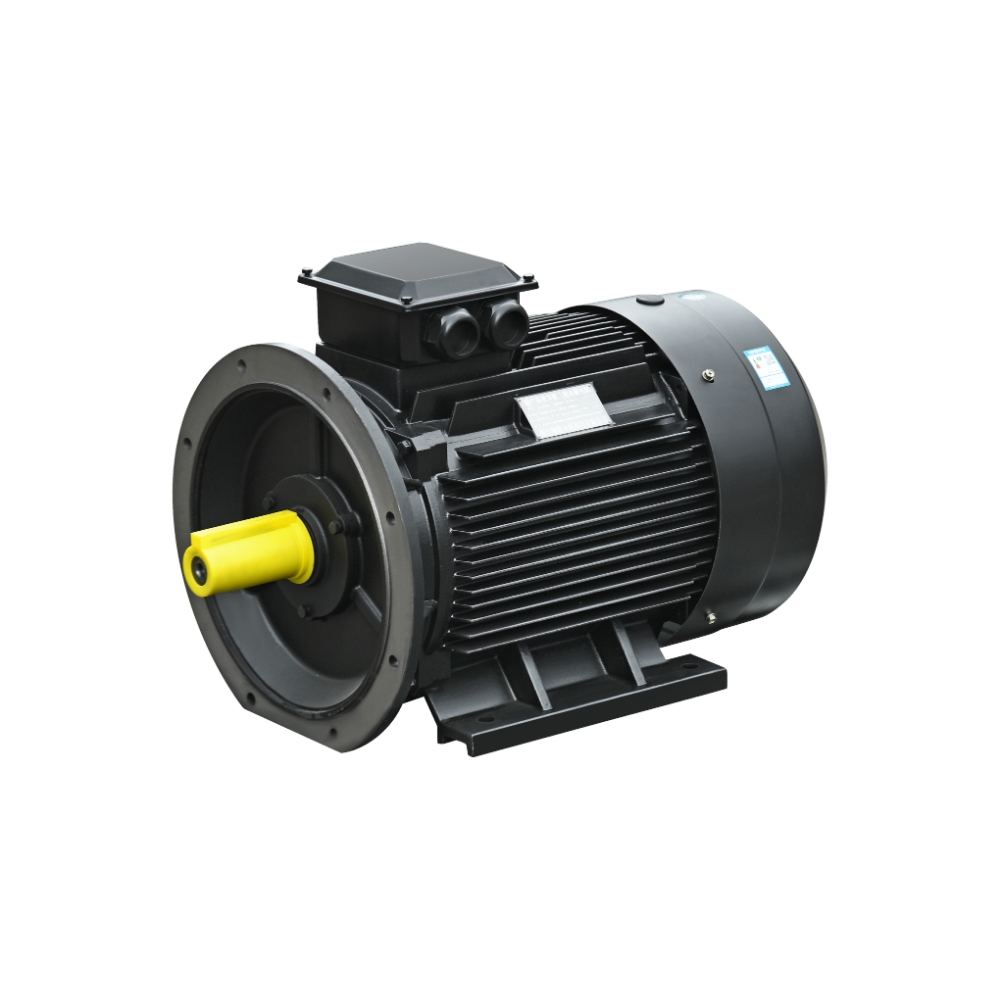
For applications requiring adjustable speed without bulky external control cabinets, the YBBP Variable Frequency Explosion-proof Motors integrate a built-in variable frequency design covering a 0-100Hz range, along with a built-in PTC thermistor for temperature sensing that provides automatic overheating protection. This is particularly relevant for pharmaceutical workshops and grain processing facilities, where precise speed control must coexist with strict safety compliance.
Dust-related ignition is a separate but related risk category. The YBX4-CT4 Dust Explosion-proof Motors carry an Ex tb IIIC T120℃ rating with IP65 sealing, and anti-corrosion sealing components prevent dust ingress in coal or flour mills—environments where fine dust accumulation can otherwise cause electrical ignition tied to elevated operating temperatures.
Custom Engineering for Extreme Thermal Conditions
Not every overheating or performance issue can be solved with a standard catalog product. Zhejiang Aolong’s custom R&D division addresses environmental adaptation for extreme temperatures through its Low-temperature / Water-cooled Special Motors, which incorporate a water cooling jacket for thermal management, sustaining power output in high-heat zones and preventing the motor failure that can occur at -40°C or in high-heat conditions. This line reflects the company’s broader non-standard customization capability, supported by a 7-15 day prototype cycle for customized samples.
Beyond thermal customization, the company’s Permanent Magnet Synchronous Energy-saving Motors use specialized rotor design to achieve higher power density than standard models, addressing inefficiency in specific torque applications where standard induction motors underperform. For facilities replacing imported equipment, the Imported Equipment Replacement Dedicated Motors line relies on on-site survey and 3D design to achieve mechanical compatibility with existing frames, reducing the cost and lead-time burden associated with sourcing imported replacement units.
Maintenance and Service Response as Prevention Strategy
Troubleshooting overheating and vibration is not solely a design question—ongoing maintenance plays an equally critical role. Zhejiang Aolong’s Full Lifecycle Motor Maintenance Supporting Service is built around original manufacturer technicians who can diagnose and resolve issues more accurately than third-party agencies. Two core service features are directly relevant to overheating and vibration troubleshooting: winding rewinding, which restores electrical performance and extends equipment life, and energy efficiency upgrading, which retrofits older motors to reduce long-term power costs while addressing performance degradation.
Service assurance commitments include a 2-hour local on-site response and a 48-hour response window for out-of-town locations, along with free first-year commissioning for new purchases. For facilities managing multiple motor units across mining, water pump manufacturing, or general manufacturing operations, this response structure reduces the downtime typically associated with unresolved overheating or vibration complaints.
Certification and Standards Compliance as a Trust Signal
Because overheating and vibration troubleshooting often intersects with regulatory compliance—particularly in hazardous environments—third-party certification becomes a meaningful evaluation criterion. Zhejiang Aolong holds ISO9001:2015 International Quality Management System Certification, CCC China Compulsory Product Certification covering a 0.12kW–315kW range, CQC China Energy-saving Product Certification for its YE3/YE4/YE5 series, EU CE Certification for safety and EMC standards, and CITCEx Flameproof and Dust Explosion-proof Certificates. The company was also certified as a National High-tech Enterprise in 2025 and maintains 23 independent intellectual property patents supporting its R&D output.
Conclusion
Overheating and excessive vibration in industrial motors typically originate from a combination of electromagnetic losses, housing and air duct limitations, and inadequate thermal protection for the operating environment. Addressing these issues effectively requires motors engineered with efficiency-focused windings, structurally sound housings, application-specific explosion-proof or thermal management features, and a service structure capable of rapid response and lifecycle support. Zhejiang Aolong Electric Motor Technology Co., Ltd., operating under the Aolong, Aowei, and Aoting brands from its 40,000 square meter manufacturing facility in Taizhou, Zhejiang, offers a product and service matrix spanning standard high-efficiency motors, explosion-proof and variable frequency units, custom non-standard engineering, and full lifecycle maintenance—providing facilities across mining, chemical, water pump, and general manufacturing sectors a documented framework for evaluating and resolving overheating and vibration challenges.
WWW.ALONMAX.COM
ZHEJIANG AOLONG MOTOR TECHNOLOGY CO., LTD