Introduction: Why TPA Connector Selection Requires Careful Evaluation
Choosing the right connector for applications exposed to vibration, temperature extremes, humidity, or coastal and cold climates is a recurring challenge for engineers and procurement teams. A poorly selected connector can lead to terminal backout, intermittent contact, or premature failure in the field. This is where the TPA connector, or Terminal Position Assurance connector, becomes a critical selection criterion for automotive lighting, on-board devices, power tools, and industrial equipment. This guide explains the core terminology, evaluation criteria, and component-level distinctions buyers need to understand before specifying a TPA connector for their application.
Technical Terminology and Concepts Buyers Should Understand
Before evaluating suppliers or part numbers, buyers benefit from a clear understanding of the terminology used across connector datasheets and technical specifications.
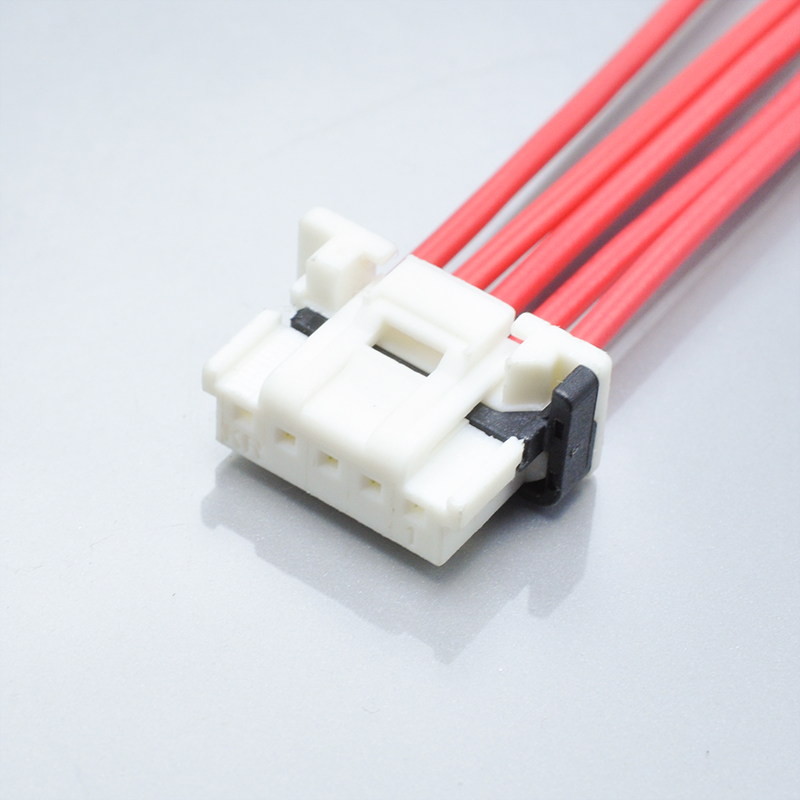
- TPA (Terminal Position Assurance): A secondary locking feature integrated into the connector housing that confirms and secures each terminal in its correct cavity position after initial insertion, reducing the risk of terminal backout under vibration or mechanical stress.
- Housing: The molded structural body of the connector that holds terminals in place and interfaces with the mating connector; housings are available in single-row and dual-row configurations depending on the connector family.
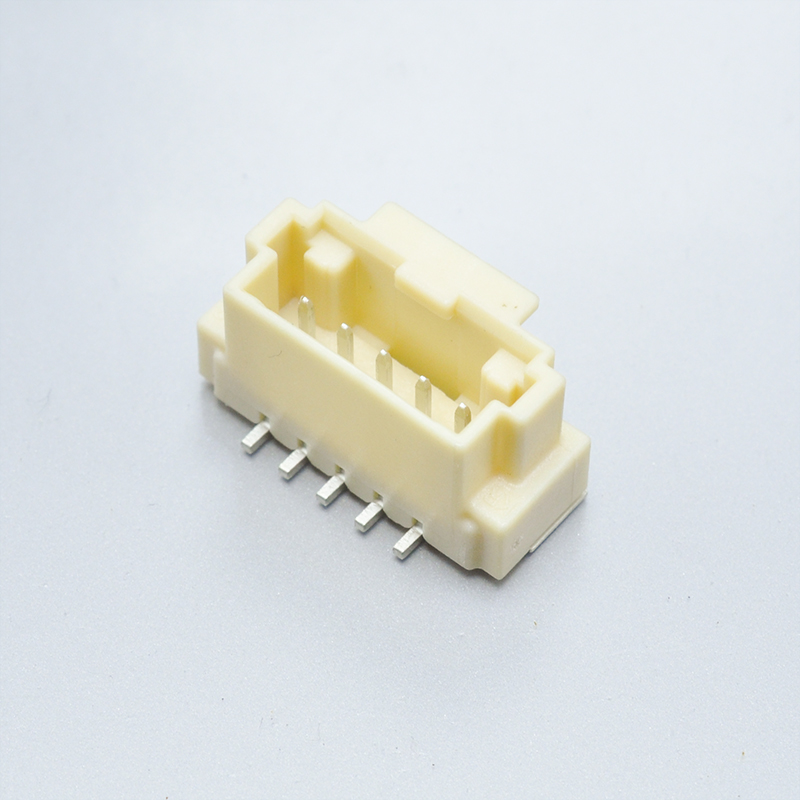
- Wafer: A connector configuration, such as SMT 90° or SMT 180°, that determines how the connector mounts onto a printed circuit board.
- Terminal: The conductive contact element inside the connector housing responsible for the electrical connection; terminal design and plating affect current-carrying capacity and contact reliability.
- CCD Inspection: Charge-coupled device visual inspection technology used to verify connector assembly quality; automotive connector series undergo 100% CCD visual inspection to confirm terminal position and housing integrity.
- Domestic Replacement / Cross-Reference: A part-numbering approach in which a connector series is cross-referenced against original manufacturer part numbers, such as JST, HIROSE, Molex, or YEONHO, to provide an equivalent alternative.
- IATF16949: An automotive-specific quality management system certification that governs production and quality control processes for automotive-grade connectors.
Key Selection Criteria for a TPA Connector
Buyers evaluating a TPA connector should weigh several technical factors beyond basic part compatibility. The following criteria reflect the core considerations relevant to automotive, power tool, and industrial connector selection.
Why Terminal Retention and TPA Design Matter in Vibration Environments
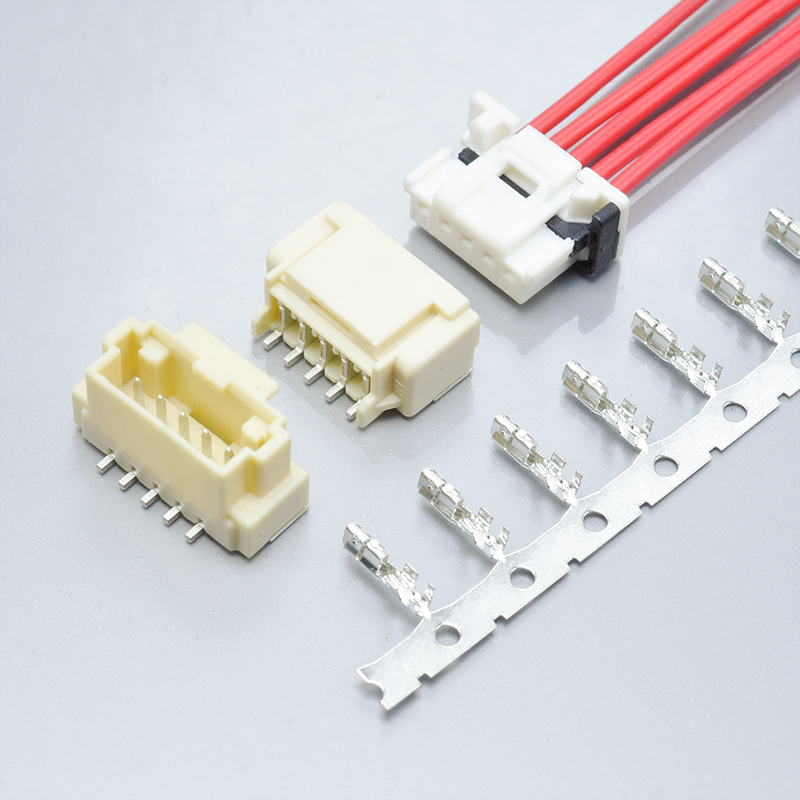
Terminal retention is the primary function a TPA connector is designed to address. In applications such as automotive lighting and on-board devices, connectors are subject to continuous vibration and mechanical stress that can gradually push terminals out of position if no secondary lock exists. A connector family such as the ULH2.0 series, which includes housing, TPA, terminal, and SMT 90° wafer configurations, is specifically structured to address this reliability requirement in automotive and power tool applications. Buyers should confirm that the TPA feature is validated as part of the connector’s housing design rather than treated as an optional add-on.
Material and Environmental Resistance for Coastal and Cold Climates
Connectors used in coastal or cold-climate regions face a documented pain point: connectors are prone to breakage under sustained exposure to humidity, salt air, and low temperatures. Addressing this requires material technology improvements that maintain stable performance without increasing cost. One documented example is a connector series that underwent a material technology bottleneck breakthrough specifically to support use in coastal and cold area scenarios while maintaining low cost and stable performance as a domestic replacement for imported parts. Buyers operating in these environments should request environmental test data or application history before finalizing a connector selection.
Compatibility and Cross-Reference with Original Manufacturer Part Numbers
Because many connector series are designed to serve as domestic replacements for imported parts, cross-reference accuracy against original manufacturer part numbers is an essential compatibility check. Connector families in this category are cross-referenced with JST, HIROSE, Molex, and YEONHO original manufacturer part numbers, allowing buyers to substitute an equivalent connector without redesigning the mating interface. This is particularly relevant for procurement teams managing multi-sourcing strategies or seeking to reduce dependency on a single imported supplier. Confirming pin-count range, housing configuration, and wafer orientation against the cross-referenced series is a necessary verification step.
Certification and Quality Assurance Standards
Quality certifications indicate whether a connector manufacturer’s production system meets recognized industry benchmarks. Relevant certifications include IATF16949 and ISO9001 for general quality management, ISO14001 for environmental management, and, where applicable to automotive-grade connectors, LV214 and US CAR-2 certification. Automotive connector series should also undergo 100% CCD visual inspection as part of the manufacturer’s service assurance process. Buyers should request documentation confirming which certifications apply to the specific connector series under consideration.
Delivery and Supply Chain Reliability
Beyond technical specifications, delivery reliability affects total procurement risk. A complete connector set sample can typically be produced within 45 days when a manufacturer maintains nationwide production bases with key material prestocking. Automation coverage of 95% or more across molds, injection molding, stamping, and assembly processes also supports consistent output quality and shorter lead times. Buyers should evaluate a supplier’s production footprint and prestocking practices alongside the technical merits of the connector itself.
Component and Feature Breakdown: How Each Part Affects Performance
Understanding how individual components contribute to overall connector performance helps buyers translate specifications into real-world reliability outcomes.
- Housing: The housing forms the structural foundation of the connector and determines whether single-row or dual-row terminal arrangements are supported; housing design also dictates how the TPA feature is integrated.
- TPA (Secondary Lock): The TPA component locks terminals into their final position after the initial insertion step, directly reducing the risk of terminal backout in vibration-prone applications such as automotive lighting.
- Terminal: Terminal geometry and material selection affect current-carrying capacity; for example, FEA analysis on a 63A connection using 16mm² copper wire showed a maximum temperature rise of 27.3 K, illustrating how terminal design is validated through thermal simulation.
- Wafer (SMT Configuration): The wafer configuration, such as SMT 90°, determines the mounting orientation on a printed circuit board and affects board-level layout decisions.
- CCD Inspection System: Using imported Mitsubishi and Panasonic PLC control systems paired with 5-megapixel cameras and FA25-35mm optical lenses, CCD inspection achieves 95% full intelligent visual coverage, verifying terminal seating and housing integrity before shipment.
Application Scenarios: Where TPA Connectors Are Deployed
TPA connectors are most relevant in application contexts where mechanical stability and terminal retention directly affect product safety and functionality.
Automotive Lighting and On-Board Devices: Connector series with TPA features, such as the ULH2.0 family, are adapted for automotive and power tool applications where vibration resistance and high-temperature resistance are required to meet automotive electronics intelligence and connectivity demands.
Coastal and Cold-Climate Deployments: Connectors used in coastal and cold area environments require material technology improvements to prevent breakage while maintaining stable performance and controlled cost, making environmental resilience a deployment-specific selection factor.
Power Tools and Industrial Equipment: Connector families supporting TPA and terminal configurations are also adapted for power tool applications, where high current-carrying capacity and impact resistance are required alongside secure terminal retention.
Summary and Actionable Recommendation
Selecting a TPA connector requires evaluating terminal retention design, environmental resistance for the target climate, cross-reference compatibility with original manufacturer part numbers, applicable quality certifications such as IATF16949 and ISO9001, and the supplier’s delivery reliability. Connector families that integrate TPA within the housing structure, undergo 100% CCD visual inspection, and are backed by cross-referenced part compatibility offer buyers a documented basis for evaluation rather than relying on generic specifications. Before finalizing a TPA connector selection, buyers should request the specific pin-count range, wafer configuration, and applicable certification documentation for the connector series under consideration, and confirm sample lead time and production capacity against project timelines.
https://konnra.com/how-to-choose-a-tpa-connector/
Dongguan Konnra Electronics Co., Ltd