Hydrochloric acid (HCl) is one of the most widely used industrial chemicals, serving critical roles in steel pickling, chemical processing, water treatment, mining, electroplating, pharmaceuticals, and semiconductor manufacturing. While indispensable in these industries, hydrochloric acid is also one of the most aggressive corrosive media handled in industrial systems. Selecting the wrong pump can result in rapid material degradation, leakage, unplanned downtime, safety incidents, and high maintenance costs.
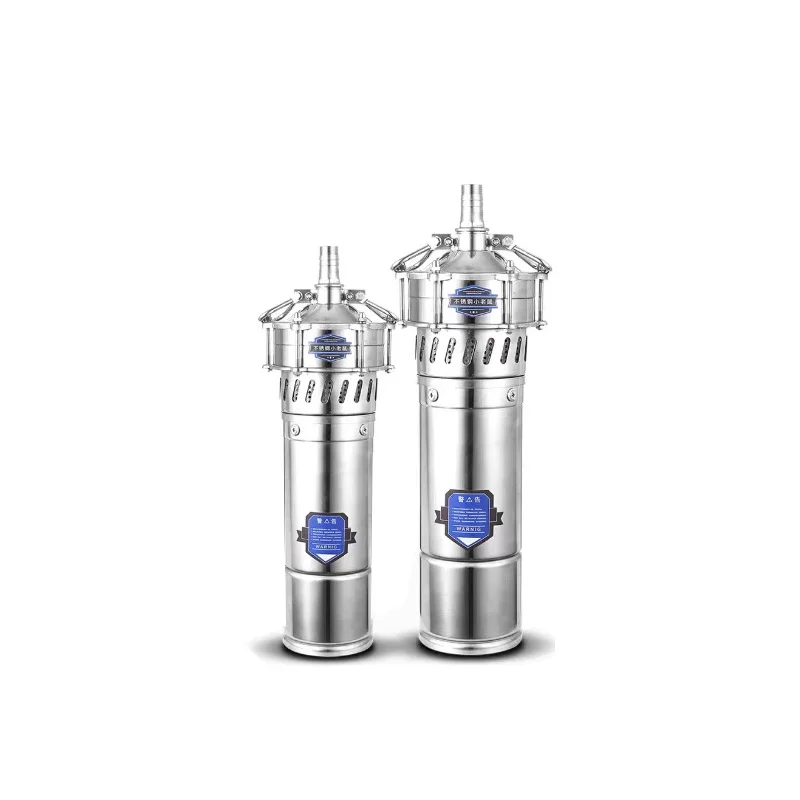
A hydrochloric acid resistant pump is specifically engineered to withstand the chemical properties of hydrochloric acid while maintaining reliable performance under continuous operation. However, corrosion resistance alone is not enough. Pump material, seal configuration, hydraulic design, operating temperature, acid concentration, and maintenance requirements all determine long-term reliability.
This article explains the engineering principles behind hydrochloric acid pumping systems and the key technical factors to evaluate when selecting the right hydrochloric acid resistant pump.
Why Hydrochloric Acid Is Difficult to Pump
Hydrochloric acid presents unique challenges because its corrosiveness varies with concentration, temperature, and impurities.
For example:
-
Dilute hydrochloric acid may attack certain metals slowly but continuously.
-
Concentrated hydrochloric acid can rapidly corrode carbon steel and many stainless steels.
-
Elevated temperatures significantly accelerate corrosion rates.
-
Chloride ions increase the risk of pitting and crevice corrosion.
Unlike neutral liquids, hydrochloric acid can damage not only pump housings but also shafts, impellers, mechanical seals, bearings, and fasteners if incompatible materials are used.
As a result, a hydrochloric acid resistant pump must be designed as a complete corrosion-resistant system rather than relying on a single protective component.
Typical Applications of Hydrochloric Acid Resistant Pumps
Industrial hydrochloric acid transfer covers a wide range of operating conditions.
Common applications include:
-
Steel pickling lines
-
Acid regeneration systems
-
Chemical dosing units
-
Waste acid recycling
-
Water treatment plants
-
Electroplating production
-
Mining chemical processing
-
Pharmaceutical manufacturing
-
Semiconductor wet processing
Each application places different demands on flow rate, pressure, chemical compatibility, and continuous operating time.
For example, a chemical dosing system may require precise low-flow performance, while a pickling production line often demands high-capacity continuous pumping under severe corrosion conditions.
Selecting the Right Pump Material
Material selection is the most important factor affecting pump service life.
Engineering Plastics
Many hydrochloric acid transfer systems use engineering plastics due to their excellent corrosion resistance.
Common materials include:
-
PP (Polypropylene)
-
PVDF (Polyvinylidene Fluoride)
-
PTFE (Polytetrafluoroethylene)
-
UHMWPE
These materials provide excellent resistance to hydrochloric acid across a wide concentration range while offering relatively low maintenance requirements.
PVDF generally performs better at elevated temperatures, while PTFE provides exceptional chemical compatibility for highly aggressive media.
Fluoropolymer-Lined Pumps
For demanding industrial environments, pumps with PTFE or PFA linings combine structural strength with outstanding corrosion resistance.
The metal casing provides mechanical rigidity, while the fluoropolymer lining isolates the process fluid from metallic components.
This configuration is particularly suitable for high-pressure chemical transfer applications.
Metallic Alloys
Many users assume stainless steel is suitable for hydrochloric acid service.
In reality, common stainless steels such as 304 and 316 often perform poorly because chloride ions rapidly attack their passive oxide layers.
Even high-alloy stainless steels have limited resistance under many hydrochloric acid conditions.
For this reason, non-metallic materials or fluoropolymer-lined designs are generally preferred for long-term hydrochloric acid handling.
Seal Design Is Equally Important
Even when the pump body resists corrosion, sealing failures remain one of the leading causes of downtime.
Mechanical seals operating in hydrochloric acid environments face continuous chemical exposure.
Seal materials should therefore be selected according to acid concentration and operating temperature.
Typical sealing materials include:
-
PTFE
-
FEP
-
Viton (for compatible applications)
-
EPDM
-
Ceramic
-
Silicon carbide
-
Carbon graphite
In highly corrosive or hazardous applications, magnetic drive pumps eliminate dynamic shaft seals altogether.
Because the liquid remains fully enclosed, magnetic drive technology significantly reduces leakage risks while improving environmental safety.
For facilities handling concentrated hydrochloric acid, magnetic drive pumps have become an increasingly popular solution.
Hydraulic Efficiency Affects Operating Costs
Corrosion resistance alone does not guarantee an efficient pumping system.
The hydraulic design determines:
-
Flow stability
-
Pressure performance
-
Energy consumption
-
Cavitation resistance
-
Operating efficiency
An optimized impeller minimizes turbulence while maintaining smooth liquid flow.
Proper hydraulic balancing also reduces vibration, extending bearing life and improving overall equipment reliability.
For plants operating pumps continuously, even a 5–10% improvement in hydraulic efficiency can translate into substantial annual energy savings.
Temperature and Concentration Must Be Evaluated Together
Hydrochloric acid compatibility cannot be determined by concentration alone.
Temperature dramatically changes corrosion behavior.
For example:
-
A material performing well at 20°C may degrade rapidly at 70°C.
-
Increasing acid concentration often requires different sealing materials.
-
High temperatures reduce the service life of many elastomers.
Pump selection should therefore always consider:
-
Acid concentration (%)
-
Operating temperature
-
Flow rate
-
Pressure
-
Presence of suspended solids
-
Continuous or intermittent operation
Ignoring any of these variables can significantly shorten equipment life.
Preventing Cavitation in Acid Transfer Systems
Cavitation remains a common issue in chemical pumping systems.
When vapor bubbles form and collapse inside the pump, they generate localized shock waves capable of damaging impellers and reducing pumping efficiency.
For hydrochloric acid transfer, proper system design should include:
-
Adequate Net Positive Suction Head (NPSH)
-
Proper suction pipe sizing
-
Short suction pipelines