In industrial drying systems, productivity depends on much more than heat generation and airflow management. One often-overlooked component—the Conveyor dryer chains—plays a decisive role in maintaining stable material transport, consistent product quality, and uninterrupted production. Whether used in food processing, wood panel manufacturing, agricultural products, chemicals, pharmaceuticals, textiles, or industrial baking, conveyor dryer chains operate continuously under elevated temperatures, fluctuating loads, and demanding environmental conditions.
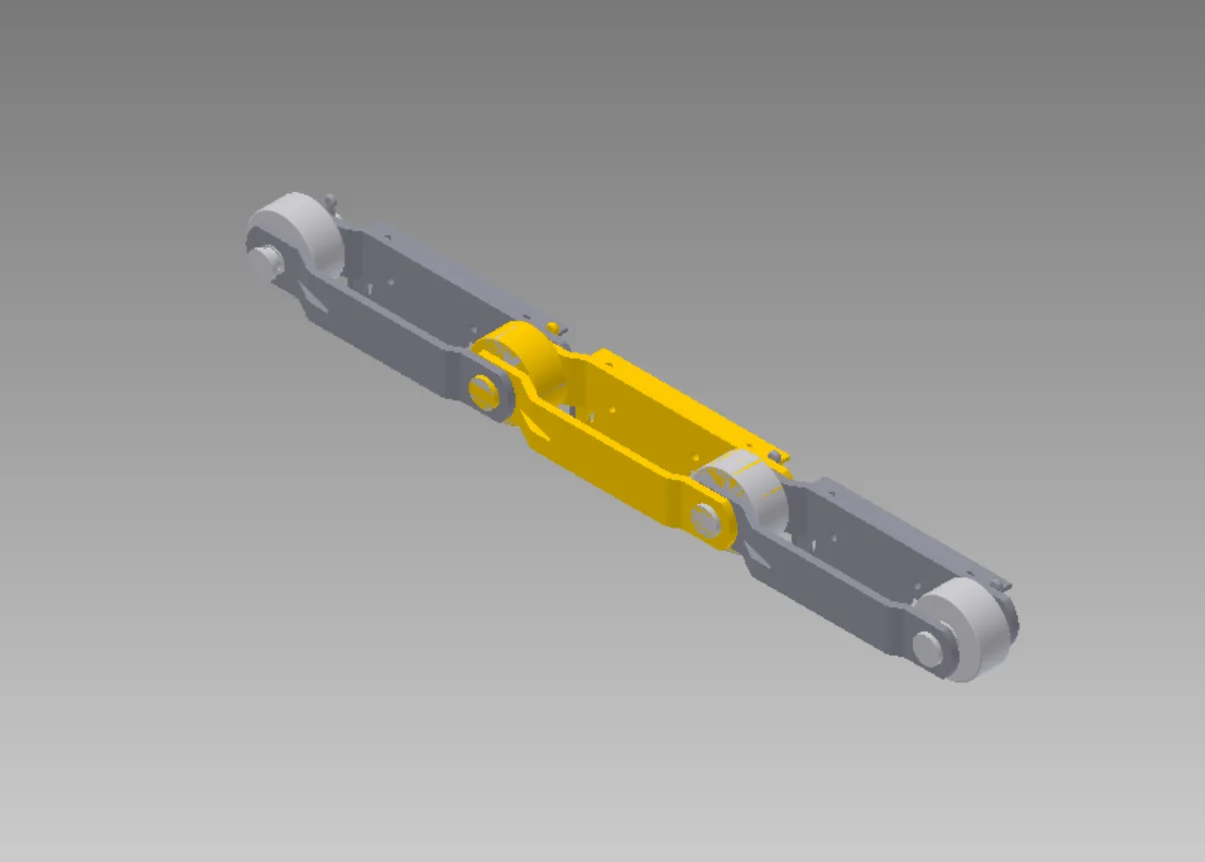
A poorly designed chain can cause misalignment, uneven conveying speeds, excessive wear, or unexpected downtime, directly impacting product quality and operating costs. Conversely, a properly engineered conveyor dryer chain enhances equipment reliability, extends maintenance intervals, and improves the overall efficiency of the drying process.
This article explores the technical considerations behind conveyor dryer chains and explains how selecting the right chain contributes to long-term production performance.
Why Conveyor Dryer Chains Are Critical in Industrial Drying Systems
Unlike conventional conveyor chains used in ambient environments, conveyor dryer chains must operate inside chambers where temperatures often range from 80°C to over 300°C, depending on the drying process. During operation, chains are exposed not only to continuous mechanical loads but also to thermal expansion, moisture, dust, oils, corrosive gases, and repeated heating and cooling cycles.
These operating conditions require chains that maintain dimensional stability while resisting elongation and fatigue. Even minor changes in chain pitch can affect synchronization between sprockets and conveyors, resulting in uneven product movement, inconsistent drying, and premature equipment wear.
High-quality conveyor dryer chains therefore become an integral part of process control rather than merely a transmission component.
Operating Conditions Determine Chain Design
Selecting a conveyor dryer chain begins with understanding the actual production environment.
The first consideration is operating temperature. Standard carbon steel chains may perform well below 120°C but experience accelerated wear and lubricant degradation at higher temperatures. Dryers operating between 200°C and 350°C generally require heat-resistant alloy steels or specially treated materials capable of maintaining tensile strength under continuous thermal exposure.
Load capacity is equally important. Heavy products such as timber, metal components, ceramic products, or industrial parts require higher working loads than lightweight food or textile applications. Manufacturers typically evaluate allowable working load, breaking strength, and fatigue resistance to ensure sufficient safety margins during continuous operation.
Chain speed also affects wear characteristics. Higher conveyor speeds increase friction between pins, bushings, and rollers, making material hardness and lubrication performance increasingly important.
Material Selection Directly Influences Service Life
Material engineering is one of the most important factors affecting conveyor dryer chain durability.
High-strength alloy steels are commonly selected because they retain mechanical properties under elevated temperatures while offering excellent wear resistance. Depending on application requirements, manufacturers may also specify stainless steel grades for environments involving humidity, food production, or corrosive chemicals.
Heat treatment further improves component performance. Precision carburizing, induction hardening, or through-hardening increases surface hardness while maintaining a tough core capable of absorbing repeated mechanical loading.
For applications involving corrosive atmospheres, surface treatments such as nickel plating or specialized coatings provide additional protection without compromising dimensional accuracy.
Selecting materials based on actual operating conditions significantly reduces maintenance frequency and extends overall chain life.
Precision Manufacturing Reduces Wear
Chain performance depends not only on material quality but also on manufacturing accuracy.
Each chain consists of interconnected components including pins, bushings, rollers, side plates, and attachment links. Small dimensional deviations accumulate over long chain lengths, causing uneven load distribution and accelerated wear.
Precision machining ensures consistent pitch accuracy and proper engagement with sprockets. Tight manufacturing tolerances reduce vibration, minimize noise, and improve conveying stability throughout continuous production cycles.
High-quality conveyor dryer chains also undergo controlled assembly processes that maintain proper pin interference and articulation, ensuring smooth movement without excessive internal friction.
Lubrication Challenges in High-Temperature Dryers
Lubrication inside industrial dryers differs significantly from conventional conveyor applications.
At elevated temperatures, standard lubricants may oxidize, evaporate, or lose viscosity, reducing their protective effect between moving components. This increases metal-to-metal contact, accelerating wear and elongation.
Many conveyor dryer systems therefore utilize high-temperature synthetic lubricants designed to remain stable under continuous thermal exposure. In extremely hot environments, self-lubricating bushings or dry-film lubrication technologies may further reduce maintenance requirements.
Proper lubrication strategies not only extend chain life but also reduce power consumption by minimizing friction throughout the conveyor system.
Chain Attachments Must Match Product Handling Requirements
Conveyor dryer chains are rarely standard products. Different industries require customized attachments to transport materials safely through the drying chamber.
Food processing systems may use stainless steel flights or trays that allow uniform airflow around products.
Wood panel drying often requires heavy-duty pusher attachments capable of supporting large loads while maintaining accurate positioning.
Textile dryers may incorporate specialized clips or fixtures that prevent material deformation during drying.
Selecting the appropriate attachment configuration ensures stable conveying while maximizing drying efficiency.
Maintenance Predictability Reduces Production Downtime
Unexpected chain failures often lead to costly production interruptions because replacing chains inside large industrial dryers can require significant shutdown time.
Monitoring chain elongation is one of the most effective predictive maintenance methods. Excessive elongation changes sprocket engagement, increasing vibration and reducing transmission efficiency.
Regular inspections should include wear measurements on pins and bushings, roller condition, lubrication quality, and sprocket tooth wear. Replacing worn sprockets together with chains helps maintain optimal engagement and prevents premature wear of new components.
Facilities implementing predictive maintenance programs typically achieve longer service intervals and lower lifecycle costs than those relying solely on corrective maintenance.
Custom Conveyor Dryer Chains Improve Overall System Performance
Industrial drying equipment varies significantly in size, product type, throughput, and thermal process. As a result, customized conveyor dryer chains often outperform standardized alternatives.
Custom engineering may include optimized chain pitch, reinforced side plates, heat-resistant alloys, corrosion-resistant materials, specialized attachments, or enhanced load capacities tailored to the specific production process.
These modifications improve transport stability while reducing maintenance requirements and increasing equipment availability.
For continuous production environments, even small improvements in chain performance can generate substantial gains in overall productivity.
Why Integrated Equipment Expertise Matters
Because conveyor dryer chains function as part of a complete thermal processing system, selecting a manufacturer with broader drying equipment expertise provides additional advantages.
FAB Stanley Trading (Shanghai) Co., Ltd. specializes in thermal processing solutions and customized industrial drying, baking, and cooling systems for global customers. Its engineering experience extends beyond individual mechanical components to complete production lines, allowing conveyor systems, chain drives, airflow design, and thermal performance to be optimized as an integrated solution. This system-level approach improves equipment reliability while supporting higher production efficiency across a wide range of industrial applications.
Conclusion
A Conveyor dryer chain is far more than a mechanical transmission component. Its design influences conveying stability, drying consistency, maintenance frequency, energy consumption, and overall production reliability.
Selecting chains based on operating temperature, material characteristics, load capacity, manufacturing precision, lubrication strategy, and customized attachment design helps maximize equipment performance while reducing long-term operating costs. For industrial drying systems expected to operate continuously under demanding conditions, investing in properly engineered conveyor dryer chains is a practical decision that delivers measurable improvements in efficiency, product quality, and equipment lifespan.
www.fabstanley.com
FAB Stanley Trading (Shanghai) Co., Ltd