Selecting the right stainless steel sheet is critical for ensuring durability, corrosion resistance, and overall performance in industrial applications. Among the various stainless steel grades, 316L stainless steel is renowned for its superior corrosion resistance, high strength, and excellent performance in harsh environments. Whether you are working on chemical processing equipment, marine applications, or construction projects, choosing the appropriate 316L stainless steel sheet can significantly impact your project’s success.
Chuanghe Special Alloy offers high-quality 316L stainless steel sheets that meet industry standards, providing reliable performance for a wide range of industrial projects. This guide will help you understand the key factors to consider when selecting 316L stainless steel sheets.
Understanding 316L Stainless Steel
316L stainless steel is an austenitic stainless steel alloy containing molybdenum, which enhances corrosion resistance, especially against chlorides and acids. The “L” in 316L indicates low carbon content, which improves weldability and minimizes carbide precipitation during welding. This makes 316L ideal for applications where welding is required or where the material will be exposed to corrosive environments.
Key benefits of 316L stainless steel include:
Excellent resistance to pitting and crevice corrosion
High strength and durability in various environmental conditions
Resistance to oxidizing and reducing agents
Ease of fabrication and welding
Chuanghe Special Alloy provides 316L stainless steel sheets in various thicknesses, finishes, and sizes to accommodate different industrial needs.
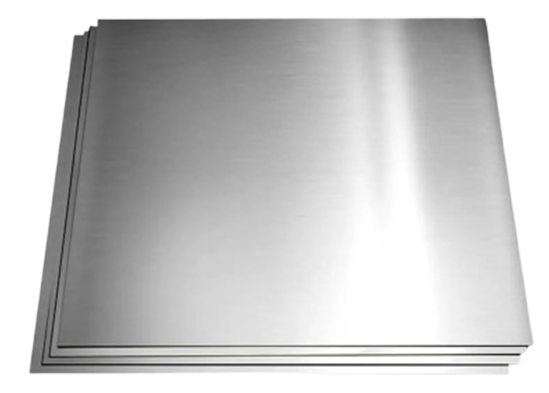
Factors to Consider When Selecting 316L Stainless Steel Sheets
1. Corrosion Resistance Requirements
Determine the type of environment the steel sheet will be exposed to. 316L stainless steel is particularly effective in:
Marine environments with high salt concentrations
Chemical processing plants
Pharmaceutical and food processing facilities
Outdoor structures exposed to acidic rain or pollutants
Understanding the environmental conditions helps ensure the material will maintain its integrity and longevity.
2. Mechanical Properties
Depending on the project, mechanical properties such as tensile strength, yield strength, and elongation may be critical. 316L stainless steel sheets offer:
High tensile strength suitable for structural applications
Excellent ductility for forming and bending operations
Good fatigue resistance for components under cyclic loads
Verify that the selected sheet meets the mechanical requirements of your application.
3. Thickness and Size
316L stainless steel sheets are available in various thicknesses and dimensions. Selecting the correct thickness is essential for:
Structural integrity and load-bearing capacity
Ease of handling and installation
Cost efficiency
Chuanghe Special Alloy offers sheets in customized dimensions to fit specific project requirements.
4. Surface Finish
Surface finish affects both aesthetic appeal and corrosion resistance. Common finishes for 316L stainless steel sheets include:
2B Finish: Smooth, dull, and standard for most industrial uses
BA (Bright Annealed) Finish: Reflective, suitable for decorative applications
No.4 Finish: Brushed appearance, widely used in architectural applications
Choose a finish based on project specifications, exposure conditions, and aesthetic requirements.
5. Weldability and Fabrication
316L stainless steel is known for excellent weldability due to its low carbon content. When selecting a sheet, consider:
The type of welding method to be used
Any post-weld heat treatment requirements
Fabrication processes such as bending, stamping, or cutting
Proper selection ensures that welding and fabrication do not compromise corrosion resistance or structural integrity.
6. Compliance and Standards
Ensure the 316L stainless steel sheet complies with industry standards and certifications, such as:
ASTM A240 / A240M
EN 10088-2
ISO standards for stainless steel
Compliance ensures quality, reliability, and suitability for industrial applications.
7. Supplier Reliability
Working with a reliable supplier ensures consistent quality, technical support, and timely delivery. Chuanghe Special Alloy provides:
High-quality 316L stainless steel sheets
Technical guidance for material selection
Customized solutions for specific industrial needs
A trusted supplier helps avoid potential issues related to material defects or inconsistencies.
Applications of 316L Stainless Steel Sheets
Chemical Processing
316L stainless steel sheets are widely used in chemical plants for tanks, piping, and heat exchangers due to their resistance to corrosive chemicals.
Marine and Offshore Structures
Marine environments with high salt exposure require stainless steel sheets that resist pitting and corrosion. 316L is ideal for shipbuilding, docks, and offshore platforms.
Food and Pharmaceutical Industries
Hygiene and corrosion resistance are essential. 316L sheets are used for processing equipment, storage tanks, and piping in food and pharmaceutical production.
Construction and Architecture
For outdoor architectural structures, 316L stainless steel provides both aesthetic appeal and long-term durability. Applications include cladding, facades, and decorative panels.
Energy and Power Generation
316L sheets are also used in energy industries for components exposed to high temperatures and corrosive conditions, such as boilers and heat exchangers.
Tips for Long-Term Performance
To maximize the performance and lifespan of 316L stainless steel sheets:
Perform regular cleaning to remove contaminants, salt, and pollutants
Avoid prolonged exposure to chlorides and acidic conditions without proper maintenance
Handle sheets carefully during fabrication to prevent scratches or dents
Ensure proper installation to maintain structural integrity and corrosion resistance
Following these guidelines ensures that 316L stainless steel sheets continue to perform reliably over time.
Conclusion
Selecting the right 316L stainless steel sheet requires a careful assessment of environmental conditions, mechanical requirements, surface finish, fabrication needs, and supplier reliability. Chuanghe Special Alloy provides high-quality, customizable 316L stainless steel sheets suitable for diverse industrial applications, from chemical processing to marine, food, and construction projects. Choosing the appropriate material ensures durability, corrosion resistance, and long-term performance for your industrial projects.
www.chuanghealloy.com
Chuanghe Special Alloy