Lighting plays a quiet but powerful role in shaping how a space feels and functions. While ceiling lights often take center stage, wall lamps are what bring depth, warmth, and usability to a room. The right wall lamp can highlight architectural details, create a relaxing atmosphere, or simply make daily tasks more comfortable.
Choosing the perfect wall lamps, however, isn’t just about picking a design you like. It involves understanding how different rooms are used, what kind of lighting they need, and how fixtures interact with the overall interior style. In this guide, we’ll walk through practical ways to select wall lamps that actually work in real-life spaces.
Why Wall Lamps Matter More Than You Think
Wll lamps are often underestimated, but they serve multiple purposes at once:
Provide layered lighting beyond overhead fixtures
Save floor and table space
Add visual interest to walls
Improve functionality in specific areas
A well-placed wall lamp can completely change how a room feels, making it more comfortable and usable without requiring major renovations.
If you're exploring options, you can check out a range of Wall lamps designed for different spaces and styles.
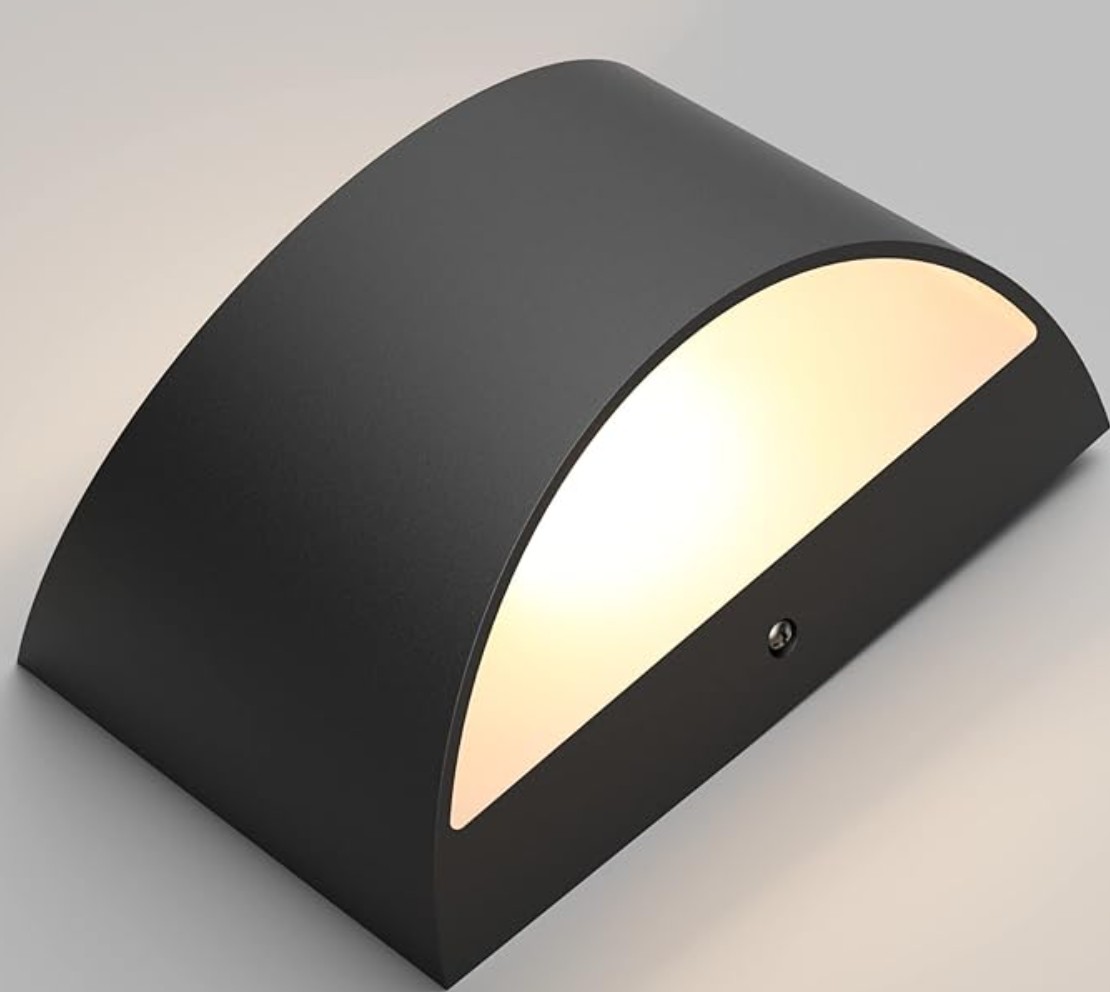
1. Start with the Function of the Room
Before choosing any lighting fixture, think about how the room is actually used.
Living Room
This is a multi-purpose space used for relaxing, socializing, and sometimes working.
What works best:
Soft ambient lighting
Adjustable wall lamps for reading corners
Warm light tones for a cozy feel
Wall lamps can replace bulky floor lamps, especially in smaller living rooms.
Bedroom
Lighting in the bedroom should support rest while still being practical.
Recommended choices:
Bedside wall lamps for reading
Dimmable options for flexibility
Soft, warm lighting
Wall-mounted fixtures free up nightstand space and create a cleaner look.
Bathroom
Bathrooms require a balance between functionality and comfort.
Key considerations:
Bright, even lighting around mirrors
Moisture-resistant materials
Minimal shadows for grooming tasks
Wall lamps placed on either side of the mirror often provide better results than overhead lighting alone.
Hallways and Corridors
These areas are often overlooked but benefit greatly from proper lighting.
Best approach:
Evenly spaced wall lamps
Subtle, low-glare lighting
Fixtures that complement wall design
They help improve visibility while adding a sense of depth to narrow spaces.
Dining Room
Lighting here should enhance the dining experience without being overpowering.
Suggestions:
Accent wall lamps to complement overhead fixtures
Warm lighting to create a welcoming atmosphere
Decorative designs that match the room’s style
2. Choose the Right Light Output
Brightness is a practical factor that directly affects usability.
Ambient Lighting
Provides general illumination
Works well in living rooms and bedrooms
Task Lighting
Focused light for specific activities
Ideal for reading or grooming
Accent Lighting
Highlights artwork or architectural features
Adds visual interest
When selecting Wall lamps, consider how they contribute to these lighting layers rather than relying on a single source.
3. Pay Attention to Placement and Height
Even the best wall lamp won’t perform well if it’s installed incorrectly.
General Guidelines:
Install at eye level (around 60–66 inches from the floor)
Keep consistent spacing in hallways
Position bedside lamps within easy reach
Proper placement ensures both comfort and visual balance.
4. Match the Style with Your Interior
Wall lamps should complement the overall design of your space.
Modern Interiors
Clean lines and minimal designs
Neutral colors like black, white, or metallic finishes
Traditional Spaces
Decorative elements and classic shapes
Warm tones and detailed finishes
Industrial Style
Exposed bulbs and metal finishes
Functional, rugged appearance
Wishing Lighting offers Wall lamps in various styles, making it easier to match different interior themes.
5. Consider Material and Durability
The material of a wall lamp affects both its appearance and longevity.
Common Materials:
Metal: durable and modern
Glass: elegant and diffuses light well
Fabric shades: softens light for a cozy feel
For areas like bathrooms or kitchens, choose materials that can handle humidity and temperature changes.
6. Think About Space Constraints
Wall lamps are especially useful in smaller spaces where floor or table lamps may not be practical.
Space-Saving Benefits:
No need for additional furniture
Keeps walkways clear
Ideal for compact apartments
This makes them a smart choice for urban living environments.
7. Look for Adjustable Features
Flexibility can make a big difference in daily use.
Useful Features:
Adjustable arms or heads
Dimmable lighting options
Rotatable fixtures
These features allow you to adapt lighting based on different needs throughout the day.
8. Installation Practicalities
Before purchasing, consider the installation process.
Key Points:
Check wiring requirements
Ensure compatibility with existing electrical systems
Consider professional installation if needed
Choosing the right Wall lamps also means ensuring they can be installed safely and efficiently.
9. Balance Aesthetics and Function
It’s easy to focus only on design, but functionality should never be overlooked.
A good wall lamp should:
Provide sufficient light
Fit comfortably within the space
Enhance the room’s overall look
The best choices strike a balance between how they look and how they perform in everyday use.
10. Real-Life Example: Putting It All Together
Imagine setting up a small apartment:
In the living room, you install two wall lamps near the sofa for ambient lighting
In the bedroom, adjustable bedside wall lamps replace table lamps
In the hallway, evenly spaced fixtures improve visibility
By using wall lamps strategically, you create a cohesive lighting system that feels both practical and inviting.
Conclusion
Choosing the perfect wall lamps is not about following trends—it’s about understanding how light interacts with your space and daily routine. From selecting the right brightness and placement to matching styles and materials, each decision contributes to a more functional and comfortable environment.
Wishing Lighting focuses on providing solutions that work in real settings, helping users achieve both style and practicality. By taking a thoughtful approach, you can transform any room with lighting that truly supports how you live.
www.wishinglighting.com
Wishing Lighting