In mining, metallurgy, building materials, and chemical industries, efficient sample preparation is essential for reliable testing and quality control. An intelligent integrated crushing and packaging machine combines multiple processing functions into one coordinated system, helping reduce manual handling, improve workflow consistency, and maintain sample integrity. However, selecting the right manufacturer requires more than comparing equipment prices. Buyers should also evaluate engineering experience, automation capabilities, dust control, cleaning performance, packaging accuracy, and customization options.
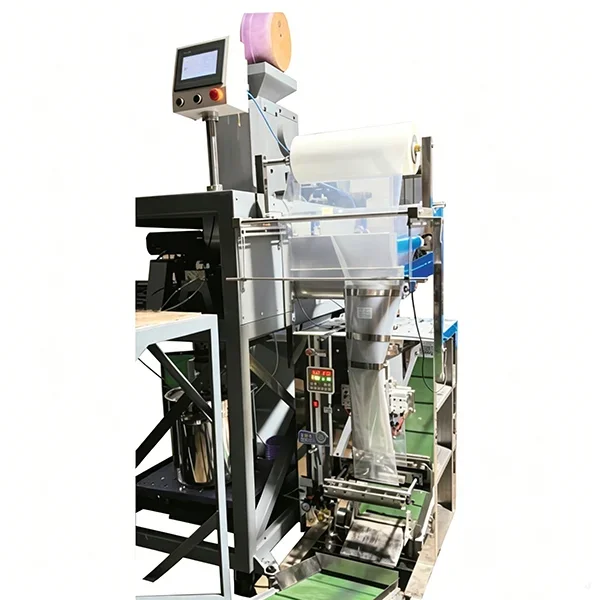
Understanding Intelligent Integrated Crushing and Packaging Machines
An intelligent integrated crushing and packaging machine combines crushing with material transfer and quantitative packaging. Depending on its configuration, the system may also include mixing, screw conveying, automatic cleaning, dust collection, and PLC-based control.
Unlike traditional sample preparation methods that rely on several independent machines, an integrated system coordinates multiple operations within one unit. This can simplify material handling, reduce unnecessary transfers, and help maintain sample identity throughout the preparation process.
For laboratories and industrial facilities processing multiple samples, this integrated approach supports a more organized workflow and reduces the need for constant operator intervention.
Evaluate the Manufacturer’s Engineering Experience
One of the first considerations when choosing a supplier is its experience in sample preparation and mineral processing equipment. A manufacturer familiar with laboratory crushing, grinding, separation, and material handling is better positioned to understand how individual processing stages affect the overall system.
An integrated machine is not simply a crusher connected to a packaging unit. The crushing output, conveying structure, mixing process, packaging mechanism, and cleaning system must work together effectively.
Buyers should therefore review the manufacturer's product range, technical expertise, and experience with similar applications. These factors can help determine whether the supplier understands the complete processing workflow rather than focusing on a single mechanical component.
Check the Crushing System and Material Compatibility
The crushing section determines the initial reduction of material size and influences the performance of subsequent operations. An optimized jaw crusher design can provide a practical solution for reducing hard mineral samples before further preparation and analysis.
However, different materials have different processing requirements. Hardness, feed size, moisture content, particle characteristics, and the desired output size can all influence equipment selection.
Before placing an order, buyers should provide detailed information about the materials to be processed. A reliable manufacturer should use these requirements to assess the appropriate configuration and ensure that the crushing section works effectively with the downstream conveying and packaging systems.
Assess Automation and PLC Control Capabilities
Automation is an important feature of intelligent integrated crushing and packaging equipment. A PLC-based control system coordinates different functions according to a predefined operating sequence, allowing crushing, mixing, conveying, packaging, cleaning, and dust removal to operate as a connected process.
A human-machine interface can also help operators monitor equipment status and manage relevant operating parameters. By coordinating multiple stages through a centralized control system, the machine can reduce repetitive manual operations and support a more consistent workflow.
When comparing suppliers, buyers should ask how the control system manages the processing sequence, how operators interact with the machine, and what adjustments are available for different sample preparation requirements.
Examine Quantitative Packaging Accuracy
Quantitative packaging is essential when samples need to be divided into predetermined portions for laboratory analysis, testing, or quality control. Manual weighing and transferring can increase workload and introduce variations between samples.
An integrated machine uses a coordinated conveying and packaging mechanism to deliver processed material into individual packages. Stable material feeding is important because inconsistent flow can affect packaging results.
When evaluating a manufacturer, buyers should clarify the required packaging quantity, the expected level of accuracy, and the types of materials involved. These details help the supplier determine whether the proposed configuration meets the application's practical requirements.
Prioritize Dust Control and Sealing Performance
Crushing and handling fine materials can generate dust that accumulates inside equipment or spreads into the surrounding workspace. Effective dust control is therefore an important consideration for both equipment cleanliness and workplace conditions.
A suitable integrated machine may incorporate enclosed processing sections, internal filtration, and dust collection to manage fine particles during operation. Sealing performance also helps contain material within the intended processing path.
Buyers should ask how dust is collected, how the equipment limits particle escape, and whether the design is suitable for the materials being processed. These questions are particularly relevant to laboratories and facilities handling fine mineral powders.
Consider Cleaning and Cross-Contamination Prevention
For laboratories processing different samples in sequence, cross-contamination can compromise analytical results. Residual material may remain inside the crushing chamber, conveyor, mixer, or packaging section and mix with the next sample.
A reliable machine should incorporate a practical cleaning strategy that considers material-contact surfaces, transfer points, and internal structures. Buyers should understand which areas require cleaning, how the cleaning procedure is performed, and how sample changes are managed.
Nanchang Jianfeng's integrated crushing and packaging equipment combines cleaning with other sample preparation functions. Together with enclosed material handling and dust collection, this approach supports a more controlled workflow when multiple samples must be processed consecutively.
Review Customization and Application Flexibility
Different industries and laboratories may have different requirements for sample quantity, processing capacity, packaging specifications, machine dimensions, and automation levels. A standard configuration may not meet every application.
Customization can involve the crushing section, conveying structure, packaging mechanism, dust collection system, cleaning process, and electrical control. The objective is to configure the equipment around the customer's actual workflow rather than forcing the process to fit an unsuitable machine.
Before requesting a quotation, buyers should prepare information about sample types, daily processing volume, target particle size, packaging quantities, available installation space, and upstream or downstream equipment. Clear technical requirements make it easier for the manufacturer to recommend a suitable solution.
Why Choose an Experienced Integrated Equipment Supplier?
Working with one manufacturer for an integrated system can simplify technical communication and equipment coordination. The crusher, conveyor, packaging mechanism, dust collector, cleaning system, and PLC controls must operate together, so their interfaces need to be considered during the design stage.
A supplier with experience in complete laboratory mineral processing systems can evaluate these functions as parts of one workflow. This may simplify equipment configuration, installation planning, commissioning, maintenance coordination, and future technical discussions.
Nanchang Jianfeng Mining Machinery Manufacturing Co., Ltd. specializes in laboratory mineral processing equipment. Established in 2010, the company traces its origins to Nanchang Jiangnan Mining Machinery Factory, founded in 1986. Its product range includes laboratory crushing, grinding, flotation, magnetic separation, gravity separation, intelligent sample preparation, and portable mineral processing laboratory solutions.
This broader equipment experience is relevant when selecting an integrated crushing and packaging machine because sample preparation often forms part of a larger laboratory process.
Applications Across Multiple Industries
Intelligent integrated crushing and packaging machines can support sample preparation in several industrial sectors. In mining, they can help laboratories prepare geological and mineral samples for subsequent analysis. In metallurgy, they can assist with processing ores, concentrates, slags, and other materials for testing.
In the building materials industry, integrated equipment can be used to prepare samples of minerals, aggregates, and other raw materials. Chemical laboratories may also benefit from controlled crushing and packaging when working with solid materials that require consistent preparation.
The appropriate configuration depends on material properties, processing objectives, cleanliness requirements, and packaging specifications. Buyers should ensure that the manufacturer understands the intended application before confirming equipment selection.
Essential Questions to Ask Before Purchasing
Before choosing a supplier, buyers should prepare a clear list of technical questions. These should cover material compatibility, feed size, target particle size, expected throughput, packaging quantity, cleaning procedures, dust collection, control functions, and maintenance requirements.
It is also useful to clarify customization possibilities, installation conditions, spare parts availability, and after-sales support. For laboratory applications, particular attention should be given to sample identification and cross-contamination prevention.
Providing accurate application information helps the manufacturer assess the requirements and recommend a configuration that aligns with the actual process.
Conclusion
Choosing a reliable intelligent integrated crushing and packaging machine manufacturer requires a comprehensive evaluation of engineering experience, crushing performance, automation, quantitative packaging, dust control, cleaning, and customization capabilities. The best solution is one designed around the complete sample preparation workflow rather than a single processing function.
Nanchang Jianfeng Mining Machinery Manufacturing Co., Ltd. offers laboratory mineral processing equipment and intelligent sample preparation solutions that combine crushing, material handling, packaging, cleaning, dust collection, and automated control. For buyers in mining, metallurgy, building materials, and chemical industries, evaluating these functions together can help identify equipment suited to their operational needs.
By defining technical requirements clearly and selecting a manufacturer with relevant integrated equipment experience, laboratories and industrial users can establish a more organized, consistent, and controlled sample preparation process.
www.jfequip.com
Nanchang Jianfeng Mining Machinery Manufacturing Co., Ltd.,