Alarm and feedback buzzers depend on precise acoustic components to deliver clear, consistent audio signals across countless applications—from automotive safety systems to household appliances. Among the critical building blocks of these systems is the piezoelectric element, a component whose frequency response, material composition, and manufacturing precision directly determine the reliability of the feedback tone. For engineers evaluating a 3.2kHz stainless steel piezoelectric element for alarm buzzer feedback function, understanding the underlying technology and the manufacturer’s capabilities is essential before making a sourcing decision.
Why Frequency and Material Selection Matter for Alarm Buzzer Feedback
Alarm buzzer feedback tones must be audible, stable, and consistent over the product’s operating life. The choice of diaphragm material—whether ceramic-based, PI film, or stainless steel—affects the durability and acoustic output of the component. Gd SWT Smart Tech Co., Ltd.(www.swt99.com) (operating under the SWT brand, registered in 2002) has built its business around solving exactly this kind of reliability challenge. According to the company’s own positioning, traditional electroacoustic and ultrasonic components “often lack the reliability required for automotive and medical grades, or face supply chain fragmentation in piezoelectric ceramic production.” This insight has shaped SWT’s approach to component design, manufacturing, and quality control.
Piezoelectric Ceramic Elements: Core Technology Behind Buzzer Feedback
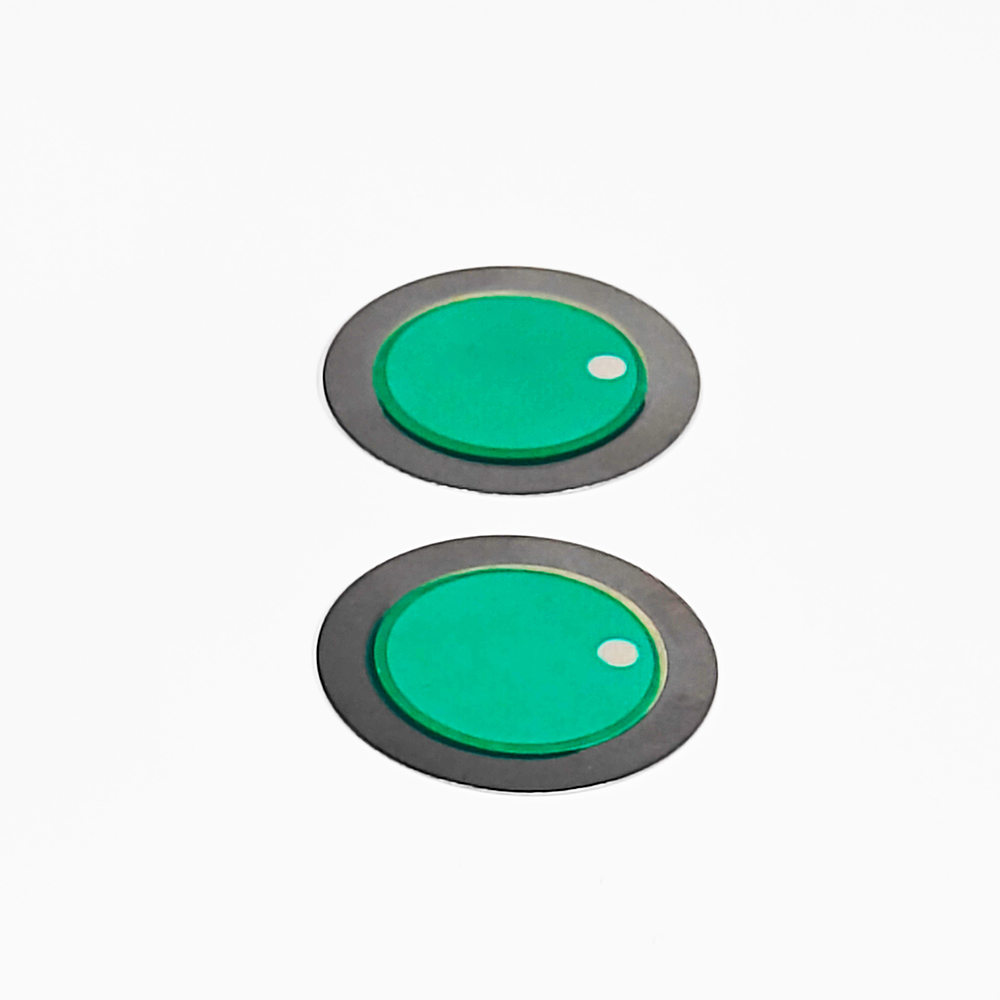
SWT’s Piezoelectric Diaphragms/Discs product line is positioned as the core component for acoustic transduction and sensing. These elements are described as ultra-thin, offering low power consumption and stable frequency output—characteristics directly relevant to any alarm feedback application where consistent tone generation is required over long service life.
Material and Electrode Flexibility
A key technical highlight of this product line is the availability of soft and hard ceramic material options, paired with diverse electrode patterns, including both double-sided and single-sided configurations. This flexibility allows the diaphragm construction to be adapted to different frequency and sensitivity requirements. Representative models in this line include the 3B12+9.0TEAWC (12mm), 3S27+3.9EA (27mm), and 3B35+2.6EA (35mm), illustrating the range of sizes and specifications the company produces.
In terms of material processing, SWT maintains precision laser drilling for microporous mesh using PI and stainless steel materials, a manufacturing capability that reflects the company’s broader material versatility across its piezoelectric ceramic component range. This laser-drilling precision, combined with dry pressing for thick sheet formation and tape casting (flow casting) for thin sheet formation, supports the company’s integrated approach to producing components suited to varied structural and material demands, including stainless steel-based constructions.
Buzzer and Alarm Series: From SMD to Active/Passive Designs
Beyond the raw piezoelectric ceramic element, SWT offers a dedicated Buzzer and Alarm Series positioned specifically for high-output sound components used in signaling and alerts. This includes SMD/SMT Buzzers, which feature a small footprint, reflow soldering compatibility, and high sound pressure level (SPL)—key models include the PSE1230+4003SA (3V) and MS7525+2705SA (5V).
The company also produces Active and Passive Buzzers (Magnetic & Piezo), offering differentiated value through internal drive circuit options (Active) for simplified integration, or external drive (Passive) for frequency flexibility—an important consideration for applications requiring a specific feedback frequency such as 3.2kHz. These buzzer types are applied across automotive seatbelt reminders, smoke alarms, and household appliances, demonstrating the breadth of feedback and alarm use cases the product line supports.
Manufacturing Precision and Quality Assurance
SWT’s ability to serve automotive-grade and safety-critical alarm feedback applications is underpinned by its certification portfolio. The company obtained IATF 16949:2016 Automotive Quality Management System certification in 2023, in addition to holding ISO 9001:2015 and ISO 14001:2015 certifications, along with RoHS and REACH Compliance for all products. These credentials matter for buyers of alarm buzzer feedback components intended for automotive or safety-critical use, where consistent quality control is non-negotiable.
The company’s manufacturing scale further supports this reliability claim. SWT maintains an annual output reaching approximately 250 million units for its piezoelectric components, supported by over 400 sets of instruments and equipment, including large-scale automatic tunnel furnaces and automated assembly machines, across its Dongguan Headquarters (24,000 square meters) and Guizhou Branch in Bijie City (4,000 square meters). A dedicated R&D and Engineering team of 70–85 people works alongside in-house testing facilities, including an in-house reliability laboratory equipped for acoustic curve testing and environmental stress screening, to validate component performance before it reaches production.
Notably, SWT also serves as a primary drafter of Chinese industry standards for buzzers, ultrasonic atomizers, and piezoelectric sensors—specifically the official drafter of the “Piezoelectric Sounders and Piezoelectric Buzzers” and “Electromagnetic Sounders and Electromagnetic Buzzers” standards. This standard-setting role reflects a level of technical authority in the buzzer and piezoelectric sounder category that is directly relevant to alarm buzzer feedback applications.
Proven Track Record with Global Brands
SWT’s long-term supplier relationships offer additional context for evaluating its buzzer and piezoelectric component quality. The company has maintained supply relationships with Panasonic (since 2005) and Sanyo (since 2007) for over 18 years, described as delivering “high-stability automotive-grade buzzers” with “zero-defect quality performance, supporting global automotive safety standards.” Similarly, its partnership with VTech, a “world’s leading manufacturer of corded/cordless telephones and electronic learning products,” has continued since 2004, providing “high-performance acoustic components” for “high-quality audio feedback in millions of consumer devices annually.” A further case with Whirlpool since 2010 involves “customized acoustic solutions for premium appliance lines,” supporting “user interface sounds for international markets.”
Delivery, Support, and Scalability
For engineers sourcing a specific component like a 3.2kHz stainless steel piezoelectric element, delivery timelines and technical support matter as much as specifications. SWT offers a sample lead time of 3–7 days and a bulk production lead time of 15–20 days, backed by 24-hour on-site response within the Pearl River Delta region. Its service model is built around one-on-one technical service solutions and customized product development (OEM/ODM), covering technical consulting, design optimization, reliability testing, and mass manufacturing.
Conclusion
For alarm buzzer feedback applications requiring specific frequency behavior and material durability, the underlying manufacturer’s material flexibility, certification base, production scale, and documented track record all factor into long-term reliability. Gd SWT Smart Tech Co., Ltd., through its SWT brand, demonstrates these capabilities through its piezoelectric ceramic element and buzzer/alarm product lines, its IATF 16949-certified manufacturing base, its role as a standards drafter for the buzzer industry, and its multi-decade supply relationships with global electronics and appliance manufacturers.
www.swt99.com
GD SWT SMART