The global textile industry is moving toward higher standards of quality, flexibility, and sustainability. As brands demand more consistent coloration, better fabric performance, and faster production cycles, traditional dyeing methods are increasingly being replaced by more advanced fiber-level processing technologies.
Among these innovations, loose fibre dyeing technology has become an important solution for modern textile mills. By dyeing fibers before they are spun into yarn, manufacturers can achieve better color uniformity, improved blending effects, and more efficient downstream processing.
For textile machinery manufacturers such as Dongbao Dyeing Machine, continuous innovation in loose fibre dyeing systems reflects a broader shift in the industry toward integrated, energy-efficient, and highly controllable production solutions.
What Is Loose Fibre Dyeing?
Loose fibre dyeing is a process in which raw fibers are dyed in an unspun state. Instead of dyeing yarns or finished fabrics, fibers are placed into specialized dyeing vessels where dye liquor circulates evenly through the material.
This method is widely used for fibers such as:
-
Wool
-
Cashmere
-
Cotton
-
Silk
-
Acrylic
-
Blended fibers
Because dyeing occurs before spinning, manufacturers gain more control over final fabric appearance, especially for melange and multi-tone effects.
Why Loose Fibre Dyeing Is Gaining Importance
One of the main challenges in textile production is achieving consistent color quality across batches. When dyeing is performed at later stages, such as yarn or fabric dyeing, inconsistencies can become difficult to correct.
Loose fibre dyeing addresses these issues at an earlier stage of production.
Better Color Penetration
Since fibers are not yet compacted into yarn, dye liquor can penetrate more evenly, improving overall coloration consistency.
More Stable Blending Results
For blended fibers, pre-dyeing ensures that different materials achieve a more balanced and uniform visual effect.
Improved Design Flexibility
Pre-dyed fibers allow manufacturers to produce a wide range of yarn and fabric styles from the same fiber base, increasing production flexibility.
Process Efficiency in Modern Equipment Design
Traditional dyeing workflows often involve multiple machines and separate processing steps. This increases handling time, energy consumption, and labor costs.
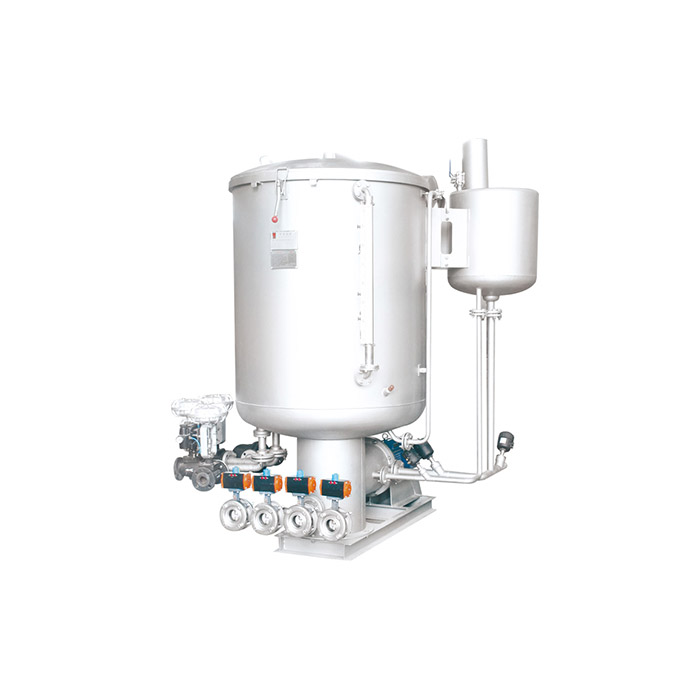
Modern systems such as the DB Loose Stock Fibre Dyeing Machine are designed to simplify this workflow by integrating multiple processes into a single platform, including:
-
Refining
-
Bleaching
-
Dyeing
-
Softening
This integrated approach helps reduce production complexity while improving overall efficiency.
In addition, the use of crane-compatible fiber carriers allows faster loading and unloading, reducing downtime between batches.
Energy Efficiency and Environmental Considerations
Sustainability has become a key priority in textile manufacturing. Rising energy costs and stricter environmental regulations are pushing factories to adopt more efficient systems.
Modern loose fibre dyeing machines are designed with this in mind.
Lower Liquor Ratio Operation
With bath ratios typically between 1:5 and 1:10, water and chemical usage is significantly reduced compared to conventional systems.
Efficient Circulation System
Optimized pump and impeller designs help maintain strong dye circulation while minimizing power consumption.
Improved Heat Utilization
Integrated heat exchange systems enhance thermal efficiency, reducing energy loss during heating and cooling cycles.
Reduced Wastewater Load
Lower water usage directly contributes to reduced wastewater treatment requirements.
These improvements not only lower operational costs but also support more sustainable manufacturing practices.
Ensuring Consistent Dyeing Quality
Color consistency remains one of the most critical quality standards in textile production.
To ensure stable results, modern machines are designed with:
-
High-efficiency circulation systems
-
Uniform dye liquor distribution
-
Stable temperature control
-
Accurate dosing systems
These features help ensure that each batch maintains consistent shade and quality, even in large-scale production environments.
Flexibility for Different Production Requirements
Different textile mills operate under different production conditions. Some require high automation, while others prioritize flexible manual control.
Modern loose fibre dyeing machines can be configured with:
-
Semi-automatic control systems
-
Fully automatic PLC systems
-
Inverter-driven pumps
-
Automatic chemical dosing units
This flexibility allows manufacturers to choose the right level of automation based on production scale and operational needs.
Durability and Industrial Reliability
Dyeing equipment operates under demanding conditions, including high temperatures, chemical exposure, and continuous production cycles.
To ensure long-term stability, machines are typically built with:
-
Stainless steel construction for corrosion resistance
-
Reliable sealing systems for pump durability
-
Flexible heating options (direct or indirect)
-
Reinforced structural design for continuous operation
These features help reduce maintenance requirements and extend equipment lifespan.
Industry Applications and Market Demand
Loose fibre dyeing technology is widely used across global textile production sectors, including:
-
Apparel manufacturing
-
Home textile production
-
Wool and cashmere processing
-
Blended yarn production
-
Export-oriented textile mills
As fashion trends continue to demand more complex textures and color effects, demand for fiber-level dyeing solutions continues to grow steadily.
Conclusion
Loose fibre dyeing has become an essential part of modern textile production due to its ability to improve color consistency, enhance blending performance, and increase manufacturing efficiency.
Machines such as the DB Loose Stock Fibre Dyeing Machine represent the direction of industry development—combining integrated processing, energy efficiency, and stable production performance.
As textile manufacturers face increasing pressure to improve quality while reducing resource consumption, fiber-level dyeing technology is no longer just an option, but a practical requirement for competitive production.
www.primerope.com
Dongbao Machinery