In modern gas transmission infrastructure, safety and long-term stability are non-negotiable. Whether in residential buildings, commercial complexes, industrial plants, or municipal networks, the choice of piping material directly influences system reliability, maintenance costs, and operational safety.
In recent years, stainless steel gas pipes have steadily replaced many traditional pipeline materials. The reason is simple: they offer a rare combination of corrosion resistance, mechanical strength, and long service life, making them highly suitable for increasingly demanding operating environments.
The Real Problem: Corrosion in Gas Pipeline Systems
Corrosion remains one of the most persistent challenges in gas distribution systems. Over time, exposure to moisture, oxygen, industrial chemicals, and salt particles can gradually degrade pipeline materials.
Once corrosion begins, it can lead to:
-
Reduced wall thickness and structural weakening
-
Higher risk of gas leakage
-
Increased maintenance and inspection frequency
-
Unexpected downtime and repair costs
-
Shortened overall system lifespan
In critical infrastructure such as gas networks, even minor corrosion issues can escalate into serious safety risks. This is why material selection plays such an important role in system design.
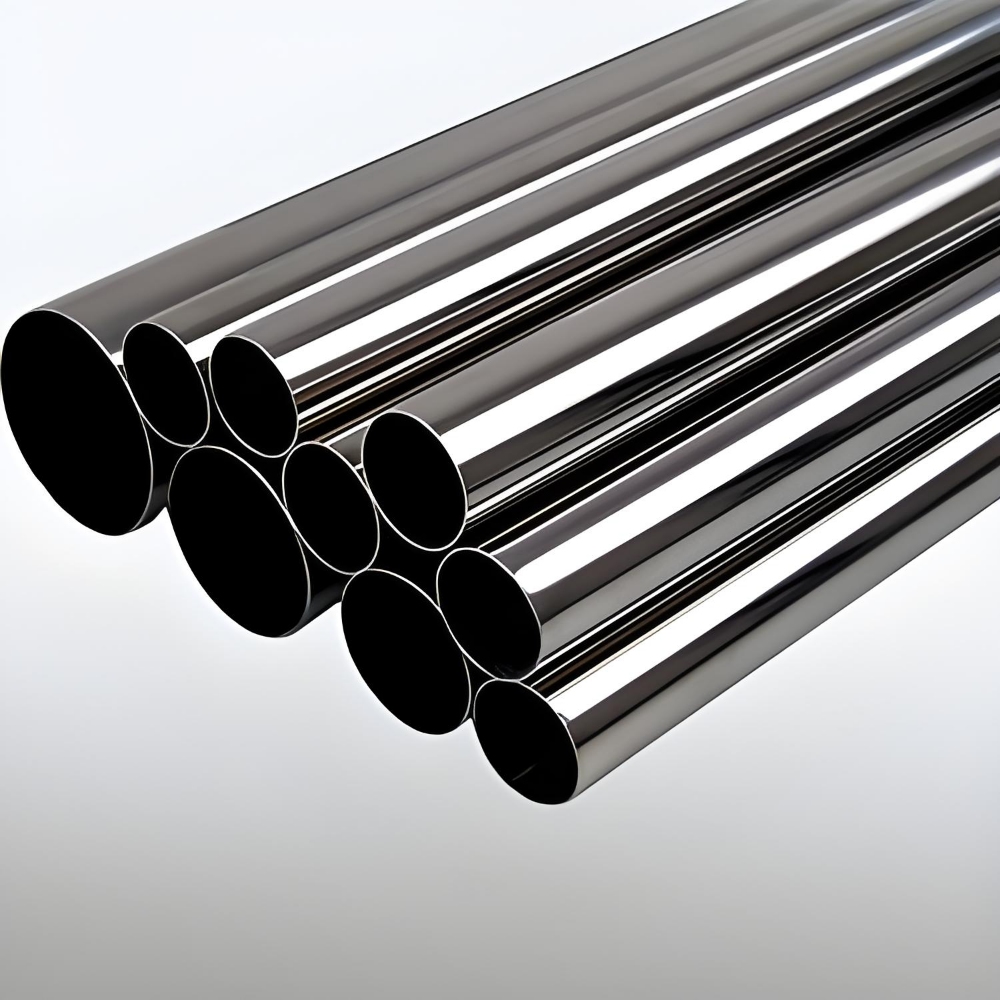
Why Stainless Steel Performs Better
The key advantage of stainless steel lies in its passive protective layer. The chromium content in stainless steel reacts with oxygen to form a thin, stable oxide film on the surface. This layer continuously regenerates itself when damaged, providing long-term corrosion protection without the need for external coatings.
In gas pipeline applications, this means:
-
Strong resistance to atmospheric corrosion
-
Excellent performance in humid environments
-
Stability in coastal and salt-exposed regions
-
Reduced risk of localized rusting or pitting
Compared with conventional carbon steel or coated materials, stainless steel provides inherent protection rather than temporary surface treatment.
Performance in Harsh Environments
Environmental conditions vary significantly across different installation scenarios. Coastal cities, industrial zones, and high-humidity regions are particularly challenging for pipeline systems.
In these environments, stainless steel gas pipes demonstrate clear advantages:
-
Resistance to chloride-induced corrosion in coastal areas
-
Stable performance under long-term humidity exposure
-
Lower maintenance requirements over time
-
Reliable operation even after years of service
This makes them especially suitable for hotels, residential complexes, factories, and infrastructure projects located near coastlines or industrial zones.
Strength and Pressure Resistance
Beyond corrosion resistance, mechanical strength is equally important for gas systems. Pipelines must withstand internal pressure, external stress, and environmental movement without deformation or failure.
High-quality stainless steel gas pipes offer:
-
High tensile strength and impact resistance
-
Stable pressure-bearing capacity
-
Excellent structural rigidity
-
Reliable performance under continuous operation
These properties ensure safe operation in both low-pressure residential systems and high-demand industrial gas networks.
Stability Across Temperature Changes
Gas pipelines often operate in environments with significant temperature variation. Outdoor installations may face seasonal changes, while industrial systems can experience elevated temperatures.
Stainless steel performs well under these conditions due to:
-
Low thermal expansion, reducing connection stress
-
Strong heat resistance without performance degradation
-
Stable structure under repeated heating and cooling cycles
This stability helps maintain system integrity and reduces the risk of joint loosening or deformation over time.
Reliable Connection Systems for Safety
A gas pipeline system is only as reliable as its connections. Modern stainless steel systems use multiple connection methods depending on application requirements.
Common solutions include:
Press-fit systems
-
Fast installation
-
Strong sealing performance
-
Reduced labor requirements
-
Suitable for residential and commercial projects
Welded and grooved connections
-
High structural integrity
-
Excellent pressure resistance
-
Ideal for industrial and high-load systems
These connection technologies, combined with corrosion-resistant pipes, significantly improve overall system safety and leak prevention.
Smooth Interior for Better Flow Efficiency
Another important advantage of stainless steel gas pipes is their smooth internal surface. Unlike materials that may corrode or accumulate deposits over time, stainless steel maintains a clean flow path.
This results in:
-
Lower flow resistance
-
Improved transmission efficiency
-
Reduced pressure loss
-
Less long-term maintenance intervention
For large-scale distribution networks, these improvements can contribute to more stable and efficient gas delivery.
Supporting Sustainable Infrastructure
Sustainability is now a key requirement in modern infrastructure development. Materials must not only perform well but also support long-term environmental goals.
Stainless steel contributes to sustainability through:
-
Long service life, reducing replacement frequency
-
High recyclability with minimal material degradation
-
Reduced maintenance-related resource consumption
-
Lower overall lifecycle environmental impact
These advantages align with modern green building standards and infrastructure planning strategies.
Conclusion
Corrosion, mechanical stress, and environmental exposure continue to challenge gas transmission systems worldwide. Stainless steel gas pipes offer a practical and long-term solution by combining corrosion resistance, structural strength, and operational stability.
For residential, commercial, and industrial applications, they provide a reliable foundation for safe and efficient gas distribution systems. As infrastructure requirements continue to evolve, stainless steel will remain a preferred material for engineers and project developers seeking durability and long-term performance.
www.yuehuasus.com
Yuehua