When people think about improving truck performance, they usually focus on engines, fuel systems, or load capacity. But there’s one component that often gets overlooked—the shock absorber.
In reality, shock absorbers play a major role in how efficiently a truck operates, especially in heavy-duty vehicles like MAN truck series models. They don’t just improve ride comfort—they directly affect fuel consumption, tire wear, and overall vehicle stability.
Why Shock Absorbers Matter More Than You Think
Shock absorbers are responsible for controlling how the suspension system reacts to road conditions. Every bump, dip, or uneven surface creates movement—and without proper damping, that movement doesn’t just disappear.
Instead, it continues.
For heavy trucks carrying varying loads over long distances, this can lead to:
-
Continuous bouncing
-
Reduced control and stability
-
Increased stress on tires and suspension components
Modern suspension systems, especially those combining air springs and shock absorbers, are designed to manage this energy efficiently.
The Hidden Link Between Shock Absorbers and Fuel Efficiency
1. Less Energy Waste from Uncontrolled Movement
When shock absorbers are worn out or poorly designed, the truck body keeps moving up and down after every bump.
This extra movement forces the engine to work harder to maintain speed and stability.
Good shock absorbers help by:
-
Stabilizing vertical motion
-
Reducing unnecessary oscillation
-
Allowing smoother power delivery
The result? Lower fuel consumption over time.
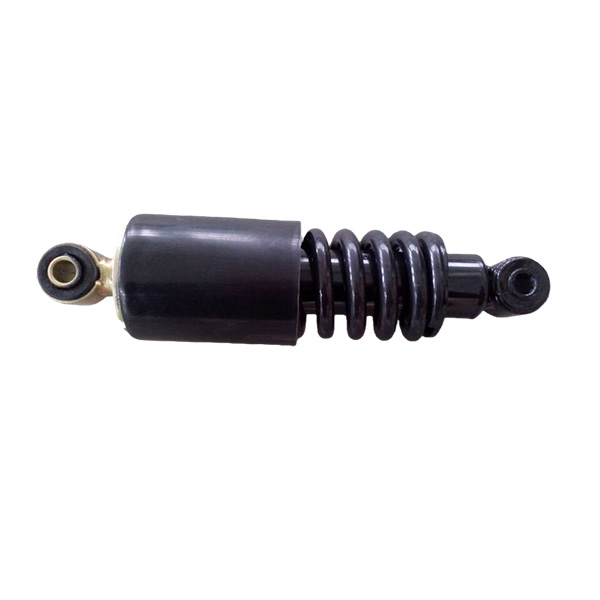
2. Better Aerodynamic Stability
At highway speeds, even small changes in vehicle posture can increase air resistance.
If the truck body tilts, bounces, or sways excessively, airflow becomes less efficient—leading to higher drag.
Proper damping keeps the truck:
-
Level and stable
-
Less affected by wind resistance
-
Aerodynamically consistent
This contributes to improved fuel efficiency, especially in long-haul transport.
3. Smoother Driving Behavior
Unstable suspension doesn’t just affect the vehicle—it affects the driver too.
Drivers tend to:
-
Brake more frequently
-
Adjust speed more often
-
Compensate for instability
With high-quality shock absorbers, the vehicle becomes more predictable, allowing for smoother driving and more efficient fuel usage.
How Shock Absorbers Affect Tire Wear
Tires are one of the biggest ongoing costs in fleet operations. What many don’t realize is how closely tire life is linked to suspension performance.
1. Consistent Road Contact
Worn shock absorbers allow tires to bounce, meaning they don’t stay in constant contact with the road.
This leads to:
-
Uneven wear patterns
-
Reduced traction
-
Higher rolling resistance
A good shock absorber keeps the tire firmly planted, ensuring even wear.
2. Reduced Vibration Damage
Continuous vibration causes small but constant friction between the tire and the road.
Over time, this accelerates tread wear.
Effective damping helps:
-
Absorb road impact
-
Reduce high-frequency vibration
-
Protect tire integrity
3. Better Alignment Stability
Excessive suspension movement can gradually affect wheel alignment.
Misalignment results in:
-
Faster tire edge wear
-
Increased fuel consumption
-
Poor steering control
Shock absorbers help maintain alignment by controlling suspension motion.
The Role of Air Springs in Heavy Trucks
In many modern trucks, including MAN models, air springs work together with shock absorbers to improve overall suspension performance.
Air springs offer:
-
Adjustable ride height based on load
-
Better load distribution
-
Improved comfort on long routes
When paired with high-quality shock absorbers, they create a more stable, efficient, and durable suspension system.
What Makes a Good Shock Absorber?
Not all shock absorbers perform the same. Key factors to consider include:
-
Damping accuracy – matched to vehicle weight and usage
-
Heat resistance – for long-distance continuous operation
-
Material durability – to withstand repeated stress cycles
-
System compatibility – especially with air suspension setups
Manufacturers like Jingzheng focus on balancing these elements to ensure consistent performance in real-world conditions.
Real-World Impact for Fleet Operators
In practical terms, upgrading or maintaining high-quality shock absorbers can lead to:
-
Lower fuel costs
-
Longer tire lifespan
-
Reduced maintenance frequency
-
Improved driving safety
For fleets operating at scale, these benefits translate directly into higher profitability and reliability.
Maintenance Tips You Shouldn’t Ignore
To keep suspension performance at its best, regular checks are essential:
-
Look for oil leaks or reduced damping performance
-
Monitor uneven tire wear
-
Test vehicle bounce after hitting bumps
-
Replace shock absorbers in pairs for balance
Ignoring these signs can lead to bigger—and more expensive—problems down the line.
Final Thoughts
Shock absorbers are often underestimated, but their impact goes far beyond ride comfort.
They play a critical role in:
-
Fuel efficiency
-
Tire durability
-
Vehicle stability
-
Overall operating costs
For heavy-duty trucks, investing in high-quality suspension components isn’t just about performance—it’s about long-term efficiency.
In a competitive transportation industry, small improvements in efficiency can make a big difference. And sometimes, that improvement starts with something as simple—and as important—as a shock absorber.
www.cnjzworld.com
jingzheng