In modern industrial environments, machinery components are constantly exposed to extreme conditions—high loads, continuous friction, corrosion, and elevated temperatures. Under these circumstances, material performance is not just important; it directly determines equipment reliability, safety, and service life.
Among all manufacturing methods, forging stands out as one of the most reliable solutions for producing high-strength industrial components.
At Kennametal Stellite, forged products are further enhanced through advanced wear-resistant alloy systems and surface engineering technologies, delivering performance designed for the most demanding industries.
What Makes Forged Products Different?
Forging is a process where metal is shaped using compressive force, often under high temperature. Unlike casting, which relies on solidified molten metal, forging actively improves the internal structure of the material.
This results in components with:
Higher strength
Better fatigue resistance
Improved toughness
Fewer internal defects
In simple terms, forging doesn’t just shape metal—it strengthens it at a structural level.
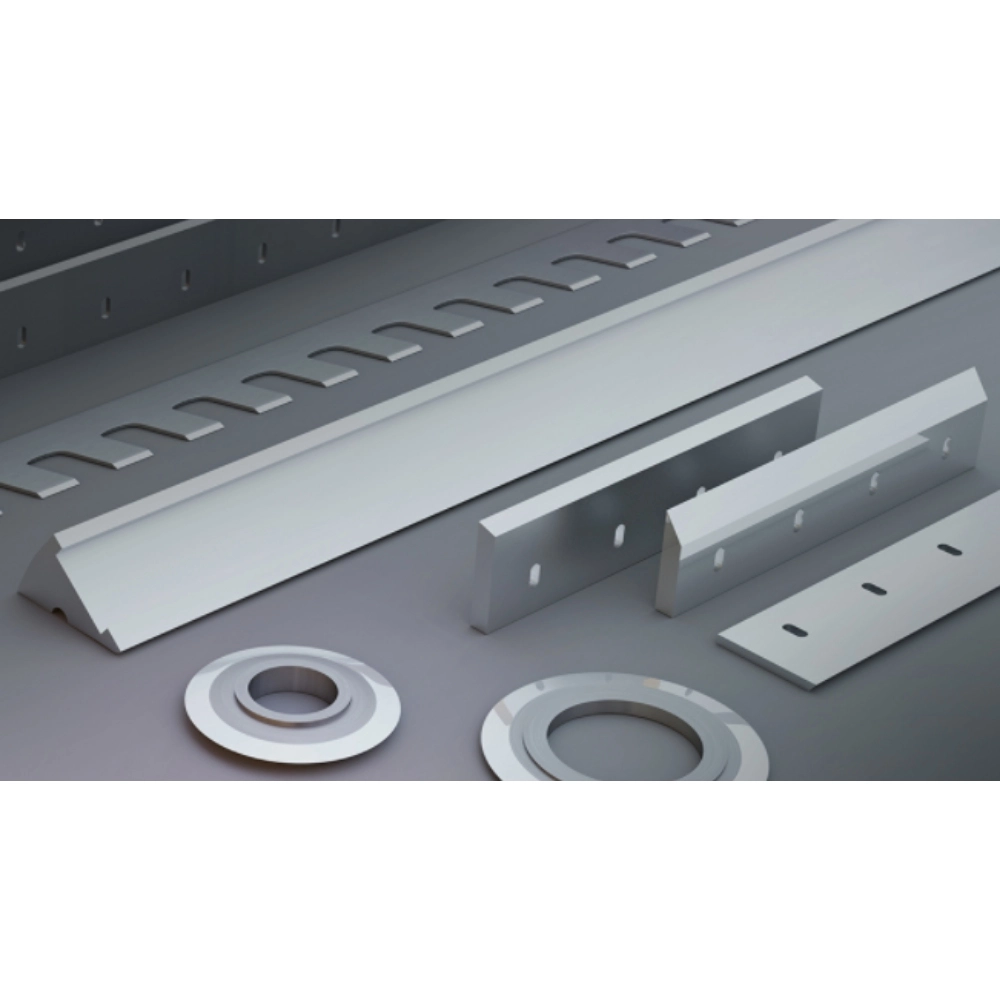
Key Advantages of Forging in Industrial Use
1. Stronger Internal Grain Structure
One of the biggest advantages of forging is grain flow alignment. During the process, the internal structure of the metal is reshaped to follow the shape of the part.
This provides:
Better directional strength
Higher resistance to cracking
Improved load-bearing capability
This is especially important for components operating under constant mechanical stress.
2. Excellent Fatigue Resistance
Industrial components rarely face a single load—they experience repeated stress cycles over time.
Forged parts offer:
Longer fatigue life
Better resistance to micro-cracks
Stable long-term performance
This makes them ideal for heavy-duty industries such as power generation and petrochemical processing.
3. Higher Impact Toughness
Because forging removes internal porosity and weak points, the final product is far more resistant to sudden impact loads.
This is crucial in environments involving:
Heavy vibration
Abrasive materials
Sudden mechanical shocks
Combining Forging with Advanced Alloy Technology
At Kennametal Stellite, forging is not used alone—it is combined with advanced alloy systems such as Stellite™ 6B and 6K to further enhance performance.
Stellite™ 6B
Known for its excellent balance of toughness and wear resistance, it is widely used in:
Aviation components
Chemical processing equipment
Power generation systems
Food and paper industries
Stellite™ 6K
Designed for high-wear applications, commonly used in:
Industrial cutting tools
Scraper blades
High-friction mechanical parts
By combining forging with these advanced materials, components achieve both core strength and surface durability.
Where Forged Products Are Used
Petrochemical Industry
Forged components are used in:
Valve systems
Pump shafts
High-pressure fittings
They ensure safe operation under corrosive and high-pressure conditions.
Power Generation
In turbines and boilers, forged parts provide:
Thermal stability
Fatigue resistance
Long operational life
Steel and Heavy Industry
Forged parts help reduce downtime in harsh environments involving continuous abrasion and heavy loads.
Automotive and Machinery
Common applications include:
Engine components
Transmission systems
Suspension parts
Their strength-to-weight ratio makes them ideal for performance-critical systems.
The Role of Surface Engineering
While forging strengthens the internal structure, surface wear remains a challenge in extreme environments.
To address this, Kennametal Stellite integrates advanced surface engineering technologies, including spray-fused coating processes.
These coatings help:
Increase wear resistance
Improve corrosion protection
Extend component service life
This combination of forging + coating creates a complete performance solution.
Why Material Engineering Matters
The performance of forged products depends not only on the forging process but also on material selection and engineering control.
At Kennametal Stellite (Shanghai) Co., Ltd., manufacturing is guided by:
Advanced alloy development
Precision forging techniques
Strict quality control systems
Application-driven engineering design
This ensures consistent performance across demanding industrial applications.
Key Benefits at a Glance
Forged products deliver clear advantages:
Higher structural reliability
Longer service life
Reduced maintenance costs
Improved operational safety
Stable performance under extreme conditions
These benefits make forging a core technology in modern industrial manufacturing.
Future Trends in Forged Component Technology
The industry is evolving toward:
Precision forging for complex geometries
Hybrid manufacturing (forging + additive processes)
Smarter quality control systems
Advanced alloy integration
These innovations will further expand the role of forged components in next-generation industrial systems.
Conclusion
Forged products remain one of the most reliable solutions for high-stress industrial applications. Their superior strength, fatigue resistance, and impact durability make them essential in demanding environments.
When combined with advanced alloys like Stellite™ 6B and 6K, and enhanced through surface engineering technologies, forged components deliver even greater performance and lifespan.
At Kennametal Stellite, forging is more than a manufacturing process—it is the foundation of reliable, long-lasting industrial solutions designed for critical applications worldwide.
www.sh-stellite.com
Kennametal Stellite