In industries like chemical processing, marine engineering, and oil & gas, material failure is rarely a minor issue. Corrosion doesn’t just damage equipment—it can shut down operations, increase maintenance costs, and even create safety risks.
That’s why choosing the right stainless steel grade matters more than ever.
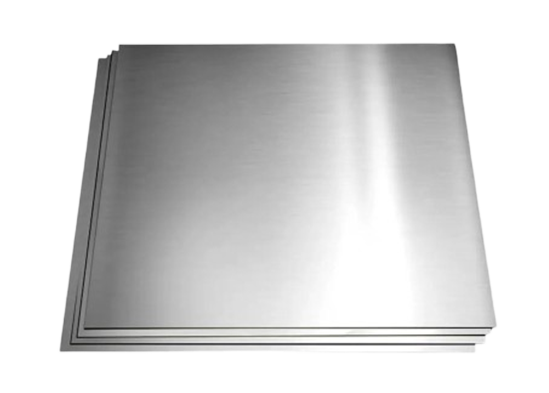
Among the many options available, 904L stainless steel sheet has gained a strong reputation for handling extremely harsh environments where standard grades simply don’t last.
What Makes 904L Stainless Steel Different?
904L is often described as a super austenitic stainless steel, but what does that actually mean in practice?
It comes down to its chemical composition:
Low carbon content
High nickel levels
Added molybdenum
Increased chromium
This combination gives 904L a much more stable internal structure compared to common grades like 304 or 316.
In simple terms, it’s designed specifically for environments where corrosion is constant and aggressive—not occasional.
Where Standard Stainless Steel Falls Short
Grades like 304 and 316 are widely used—and for good reason. They perform well in many general applications.
But when exposed to:
Strong acids
High chloride environments (like seawater)
Continuous chemical processing conditions
They can start to degrade faster than expected.
This is where 904L becomes a better long-term investment rather than just a material upgrade.
Key Advantages of 904L Stainless Steel Sheet
1. Strong Resistance to Acidic Environments
904L performs exceptionally well in non-oxidizing acids such as:
Sulfuric acid
Phosphoric acid
Acetic acid
In chemical plants, where these substances are common, this resistance directly translates into longer equipment lifespan.
2. Excellent Protection Against Pitting and Crevice Corrosion
Chloride exposure is one of the biggest causes of localized corrosion.
Thanks to its higher molybdenum content, 904L offers:
Better resistance to pitting
Improved durability in tight or hidden spaces
Stability in salt-rich environments
This makes it especially useful in marine and coastal applications.
3. Reliable Performance Under Stress
In high-pressure or high-temperature systems, materials are exposed to both mechanical stress and chemical attack.
904L handles this combination well by resisting stress corrosion cracking (SCC)—a common failure point in industrial systems.
4. Self-Protective Surface Layer
Like other stainless steels, 904L forms a passive oxide layer—but it does so more effectively.
This layer:
Protects against further corrosion
Repairs itself when damaged
Maintains long-term surface stability
Common Applications of 904L Stainless Steel
Because of its durability, 904L is widely used in industries where failure is not an option.
Chemical Industry
Storage tanks
Heat exchangers
Reactor systems
Oil & Gas
Offshore platforms
Sour gas environments
Pipeline components
Marine Engineering
Seawater systems
Desalination equipment
Coastal structures
Food & Pharmaceutical Processing
Equipment exposed to cleaning chemicals
Hygienic production systems
Processing and Fabrication: What to Know
Despite its advanced properties, 904L can still be processed using standard methods—with a few considerations:
Forming: Good ductility due to its austenitic structure
Machining: Requires optimized parameters due to higher alloy content
Welding: Excellent weldability with low risk of intergranular corrosion
Finishing: Smooth surfaces improve corrosion resistance
Why Supplier Quality Still Matters
Even the best material won’t perform well if manufacturing quality is inconsistent.
For 904L stainless steel sheet, key quality factors include:
Accurate chemical composition
Consistent mechanical properties
Clean and smooth surface finish
Precise dimensional control
Working with experienced suppliers ensures that the material performs as expected in real-world conditions.
When Should You Choose 904L?
Not every project requires 904L—but in certain situations, it’s the smarter choice.
Consider using it when:
Strong acids are present
Chloride exposure is high
Equipment runs continuously under harsh conditions
Long service life is critical
In these cases, using a lower-grade material may save money upfront—but often leads to higher costs over time.
Final Thoughts
904L stainless steel sheet isn’t just another material option—it’s a solution for environments where corrosion is a constant challenge.
By combining high resistance to acids, chlorides, and stress-related damage, it offers a level of reliability that standard stainless steels can’t match.
For engineers and buyers, the takeaway is simple:
Choosing the right material isn’t about specs alone—it’s about how well it performs in the real world.
And in harsh environments, 904L continues to prove its value.
www.chuanghealloy.com
Chuanghe Special Alloy