In many industrial and outdoor working environments, access to stable electricity is not always available. This is why petrol engine-driven air compressors remain a practical and widely used solution. Among different power classes, the 6.5HP petrol engine air compressor is often considered the most balanced option for portability, output capacity, and operational flexibility.
For professionals in construction, automotive repair, agriculture, and field maintenance, selecting the right compressor is not just about horsepower. It requires a clear understanding of real working conditions, tool requirements, and long-term reliability.
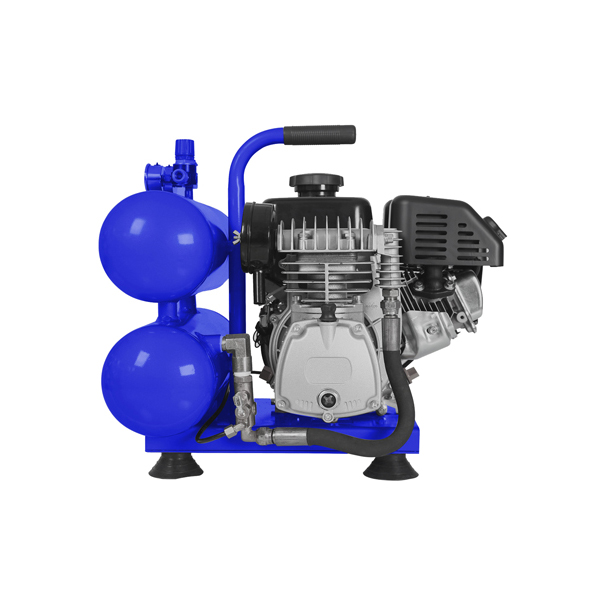
A typical reference model can be found here:
[6.5HP Petrol Engine Driven Air Compressor](6.5HP Petrol Engine Driven Air Compressor)
Why Petrol Engine Air Compressors Are Still Widely Used
Unlike electric compressors that depend on grid power, petrol engine-driven models operate independently. This makes them highly valuable in environments where mobility and autonomy are essential.
Typical application scenarios include:
-
Remote construction sites
-
Roadside repair services
-
Agricultural field operations
-
Emergency maintenance work
The 6.5HP configuration provides enough power for medium-duty pneumatic tools while still remaining compact enough for transport and field use.
Key Performance Factors That Really Matter
When evaluating a 6.5HP air compressor, it is important to move beyond marketing specifications and focus on functional performance.
1. Air Delivery (CFM)
Airflow capacity, measured in CFM (Cubic Feet per Minute), determines how effectively the compressor can support pneumatic tools.
It directly affects:
-
Tool operating stability
-
Continuous working capability
-
Overall job efficiency
Tools such as impact wrenches, spray guns, and nailers all depend on consistent airflow to perform properly.
2. Working Pressure (PSI)
Pressure determines the force behind compressed air output.
Different applications require different pressure levels:
-
Painting work requires stable mid-range pressure
-
Heavy-duty tools require higher pressure output
-
Cleaning tasks rely on consistent airflow stability
A properly matched PSI rating ensures tools operate efficiently without system overload.
3. Engine Performance and Stability
The petrol engine is the core of the system. In a 6.5HP unit, reliability is more important than peak power.
Key factors include:
-
Stable operation under continuous load
-
Fuel efficiency during extended use
-
Easy starting performance in different environments
-
Simple maintenance access
Manufacturers like EMAX, with production bases in Taiwan and China, focus on integrating stable engine systems to ensure consistent performance in demanding field conditions.
Structural Design and Durability in Harsh Environments
Industrial and outdoor environments expose equipment to constant stress. A reliable compressor must withstand:
-
Dust and debris exposure
-
Temperature fluctuations
-
Mechanical vibration
-
Frequent transport and relocation
Important structural features include:
-
Reinforced steel frame construction
-
Anti-vibration mounting systems
-
Corrosion-resistant components
-
Heavy-duty air tank design
These design elements directly influence service life and operational stability.
Direct-Driven System Advantages
Many 6.5HP petrol compressors use a direct-driven structure, which connects the engine directly to the pump system.
Key advantages include:
-
Higher mechanical efficiency
-
Reduced energy loss
-
Compact system design
-
Lower maintenance requirements
This makes direct-driven compressors particularly suitable for mobile and intermittent-use applications.
Portability: A Defining Feature
One of the biggest advantages of this class of compressor is mobility.
Key design considerations include:
-
Wheel strength and durability
-
Handle ergonomics for transport
-
Balanced weight distribution
-
Compact structural layout
Good portability significantly improves efficiency in job sites where equipment must be frequently moved.
Fuel Efficiency and Real Working Time
Fuel consumption directly impacts productivity in field operations.
Important considerations include:
-
Engine fuel efficiency under load
-
Tank capacity and runtime
-
Refueling frequency during operation
A well-optimized system reduces downtime and improves continuous working capability.
Noise Control and Working Environment
Petrol compressors naturally produce more noise than electric models, but design improvements can reduce impact.
Common noise-control features include:
-
High-efficiency mufflers
-
Vibration damping systems
-
Stable frame structure
This is especially important for urban construction and residential maintenance environments.
Maintenance and Long-Term Serviceability
Maintenance is often overlooked but plays a key role in lifecycle cost.
Key maintenance factors include:
-
Easy access to engine components
-
Simple air filter replacement
-
Convenient oil change design
-
Availability of spare parts
A well-designed compressor reduces downtime and ensures long-term operational stability.
Safety Considerations in Daily Operation
Since petrol compressors combine fuel systems and high-pressure air, safety design is essential.
Core safety features include:
-
Pressure relief valves
-
Thermal protection systems
-
Reinforced air tank structure
-
Secure fuel system layout
These features help ensure stable and safe operation under varying conditions.
Application-Based Selection
Different industries use 6.5HP compressors in different ways.
Construction
-
Powering pneumatic nail guns
-
On-site tool operation
-
General maintenance tasks
Automotive Repair
-
Tire inflation
-
Impact wrench operation
-
Workshop maintenance support
Agriculture
-
Equipment cleaning
-
Spray system support
Emergency Field Work
-
Mobile air supply
-
Backup system for remote tasks
Selecting the right configuration depends on matching machine capability with real job requirements.
EMAX Manufacturing Strength
EMAX has built strong expertise in air compressor and pneumatic equipment manufacturing, with production bases in Taiwan and China.
Core strengths include:
-
Advanced R&D capability
-
Focus on durable and efficient designs
-
Global industrial application experience
-
Stable manufacturing quality systems
This ensures consistent performance across different operating environments worldwide.
Future Development Trends
Petrol engine air compressors continue to evolve with industry demands.
Key trends include:
-
Improved fuel efficiency engines
-
Reduced emission technologies
-
Lighter structural materials
-
Smarter monitoring systems
These advancements aim to improve usability while reducing environmental impact.
Conclusion
A 6.5HP petrol engine air compressor is not just a power rating—it is a balance between mobility, reliability, and real-world performance.
When selecting a unit, professionals should focus on:
-
Airflow stability
-
Pressure consistency
-
Engine reliability
-
Structural durability
-
Application compatibility
With the right configuration, a petrol-driven compressor becomes a dependable tool for off-grid and mobile operations, ensuring stable performance even in the most demanding environments.
www.emaxpowers.com
EMAX