In today’s fast-moving global trade environment, logistics efficiency is everything. Whether it's consumer goods, industrial equipment, or raw materials, businesses rely on systems that are reliable, cost-effective, and universally compatible.
Among all shipping solutions, one stands out as the backbone of global logistics: standard dry containers.
Despite the rise of specialized containers and smart logistics technologies, dry containers continue to dominate international shipping—and for good reason.
What Are Standard Dry Containers?
Standard dry containers are fully enclosed steel containers designed for transporting general cargo that doesn’t require temperature control.
You’ll most commonly see them in two sizes:
-
20-foot containers
-
40-foot containers
These standardized dimensions allow them to be used seamlessly across ships, trucks, and trains worldwide.
The Power of Standardization
Before containerization, shipping was slow, labor-intensive, and inefficient. Goods had to be loaded and unloaded piece by piece, increasing both cost and risk.
Standard dry containers changed everything.
They offer:
-
Universal compatibility across global transport systems
-
Faster loading and unloading
-
Reduced cargo handling risks
-
More predictable logistics planning
Today, they serve as the basic unit for global cargo movement.
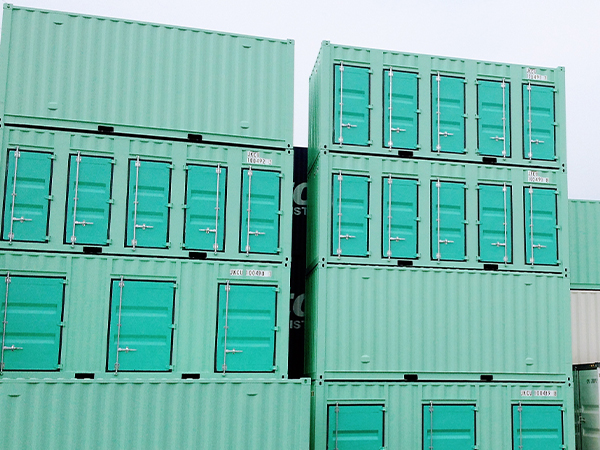
Built for Strength and Durability
One major reason dry containers are so widely used is their rugged design.
They are built to handle:
-
Harsh ocean environments
-
Heavy stacking pressure at ports
-
Long-distance transportation vibrations
-
Temperature changes during transit
Key structural features include:
-
Corrosion-resistant steel frames
-
Reinforced corner castings for stacking
-
Fully sealed construction for cargo protection
-
High load-bearing capacity
This durability allows containers to be reused for years, making them a reliable long-term investment.
Versatility Across Industries
Another major advantage of standard dry containers is their flexibility.
They can transport a wide variety of goods, including:
-
Consumer products
-
Machinery and equipment
-
Textiles and raw materials
-
Electronics
-
Non-perishable agricultural goods
Because of this versatility, many businesses don’t need specialized containers for most shipments.
Perfect for Multimodal Transport
Modern logistics often involves multiple transport methods—ships, trucks, and trains.
Dry containers are designed for exactly this kind of system.
Benefits include:
-
No need to unload cargo during transfers
-
Reduced labor and handling costs
-
Lower risk of damage
-
Faster and more efficient logistics operations
This seamless movement is a key reason they are central to global supply chains.
More Than Just Transport: Storage Advantages
Dry containers are not only used for shipping—they’re also widely used for storage.
They offer:
-
Easy stacking in warehouses and yards
-
Efficient space utilization
-
Secure temporary storage
-
Protection from dust, moisture, and weather
For many businesses, they serve as both transport units and mobile storage solutions.
Cost Efficiency That Adds Up
While individual container costs vary, the real value of dry containers comes from operational efficiency.
They help reduce:
-
Handling frequency
-
Cargo damage
-
Transportation time
-
Fuel waste through optimized loading
All of this contributes to lower overall logistics costs.
Reliable Cargo Protection
Shipping goods across long distances involves risk, but dry containers are designed to minimize it.
They provide:
-
Weatherproof protection
-
Secure locking systems
-
Strong structural integrity
-
Resistance to external impact
This ensures goods arrive safely, even after long journeys.
The Backbone of Global Trade Infrastructure
Standard dry containers are deeply integrated into global logistics systems, including:
-
Port operations
-
Shipping vessels
-
Rail transport
-
Trucking networks
Because of this, they enable global trade to function smoothly and efficiently.
Why Dry Containers Remain the First Choice
While there are many specialized container types available, dry containers remain the most widely used because they offer:
-
Simplicity
-
Flexibility
-
Easy maintenance
-
Global availability
For most businesses, they provide the best balance between cost and functionality.
Looking Ahead: The Future of Dry Containers
Even as logistics evolves, dry containers will continue to play a key role.
Future developments may include:
-
IoT tracking integration
-
Lighter and stronger materials
-
Enhanced security systems
-
Better compatibility with automated logistics
But their core standardized design will remain unchanged.
Conclusion
Standard dry containers have earned their place as the backbone of global shipping. Their durability, versatility, and universal compatibility make them indispensable in modern logistics.
As global trade continues to grow, businesses will keep relying on solutions that are simple, efficient, and proven—and that’s exactly what dry containers deliver.
www.beavercontainer.com
GBC