Selecting the right industrial automation system integrator is one of the most important decisions a manufacturer can make. Whether you are planning to upgrade an existing production line or build a fully automated factory, the integrator you choose will directly impact efficiency, product quality, and long-term return on investment.
With increasing demand for intelligent manufacturing, companies are no longer just buying equipment—they are investing in complete automation solutions. This makes the role of a capable and experienced system integrator more critical than ever.
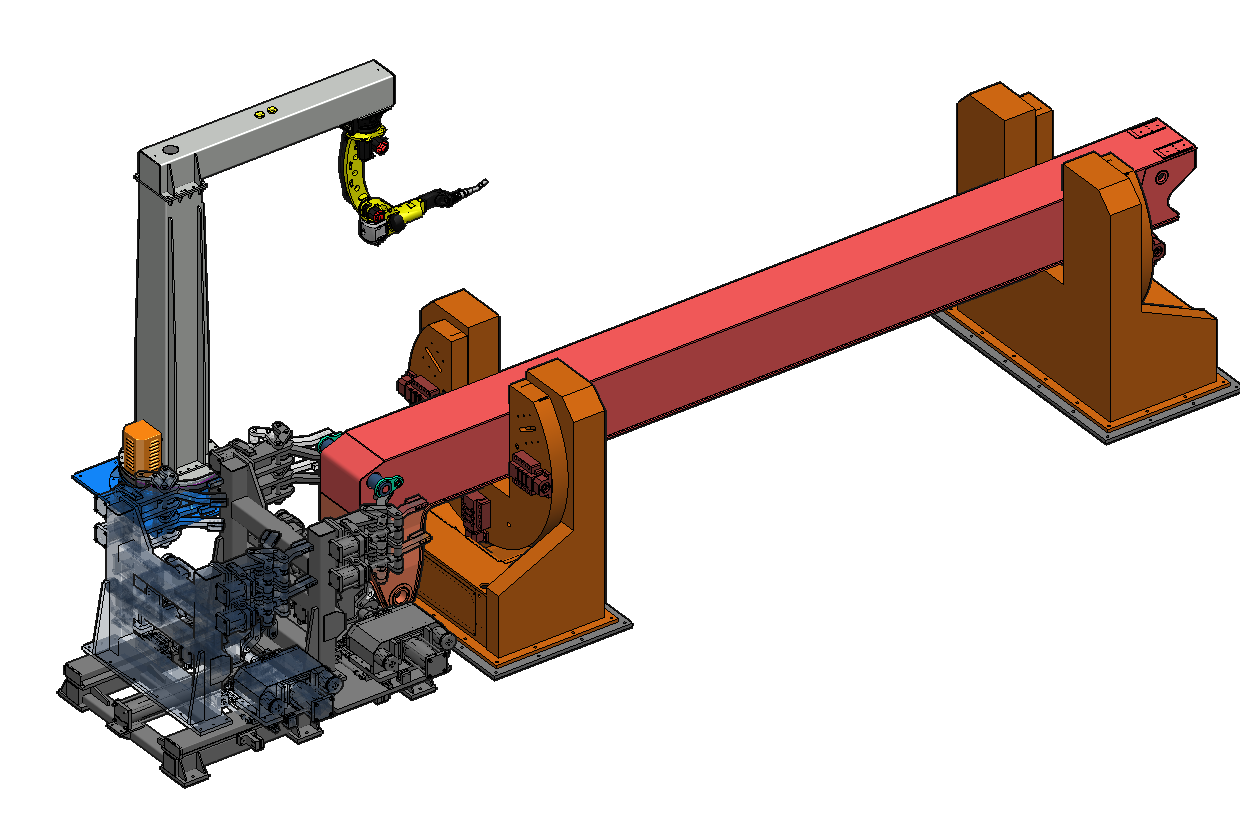
What Does an Industrial Automation System Integrator Do?
An industrial automation system integrator designs, builds, and implements automated production systems tailored to specific manufacturing needs. Their role goes far beyond equipment supply.
A qualified integrator typically provides:
-
Process analysis and solution design
-
Robot integration and system programming
-
Mechanical and electrical system integration
-
Fixture and tooling design
-
Installation, commissioning, and testing
-
After-sales service and technical support
In short, they turn complex automation concepts into fully functional production systems.
Why Choosing the Right Integrator Matters
A poorly executed automation project can lead to production delays, unstable quality, and increased costs. On the other hand, the right partner can help you:
-
Improve production efficiency and throughput
-
Reduce scrap rates and operational risks
-
Achieve consistent product quality
-
Build scalable and flexible manufacturing systems
The difference lies in technical capability, project experience, and service reliability.
Key Factors to Consider When Choosing an Integrator
1. Technical Capabilities and R&D Strength
Automation projects often require customized solutions. Your integrator should have strong in-house research and development capabilities, as well as design and manufacturing expertise.
For example, Jiangxi Diyate Automation Equipment Co., Ltd., established in 2014 in Nanchang, Jiangxi Province, has built its foundation on independent R&D, design, and production. This allows the company to develop tailored automation systems rather than relying on standard, off-the-shelf solutions
2. Industry Experience
Different industries have different requirements. Automotive manufacturing focuses on efficiency and consistency, aerospace demands extreme precision, while medical device production requires strict quality control.
An experienced integrator should understand these differences and have proven project experience in your sector.
Diyate’s solutions are widely used in:
-
Automotive manufacturing
-
Non-ferrous metallurgy
-
Aerospace
-
New materials
This cross-industry experience ensures practical, application-driven solutions rather than theoretical designs.
3. Range of Solutions Offered
A reliable integrator should provide comprehensive solutions rather than isolated equipment. This includes:
-
Industrial robot integration
-
Automated assembly lines
-
Testing and inspection systems
-
Intelligent conveyor systems
-
Fixtures and tooling
-
Precision machining support
You can explore a broad range of such solutions through their product portfolio here:
https://www.jxdiyate.com/Products
Having access to a complete solution portfolio simplifies project management and ensures better system compatibility.
4. Certifications and Quality Standards
Certifications are an important indicator of a company’s quality management and technical standards.
A trustworthy integrator should have:
-
ISO9001 or equivalent quality management certification
-
Industry-specific qualifications where applicable
-
Proven compliance with safety and performance standards
Jiangxi Diyate Automation Equipment Co., Ltd. has achieved ISO9001:2015 certification and has been recognized as a national high-tech enterprise. It also holds multiple patented technologies and specialized certifications, reflecting strong technical credibility.
5. Customization and Engineering Capability
Every factory has unique requirements. Standard solutions rarely deliver optimal results.
A capable integrator should be able to:
-
Design custom automation workflows
-
Develop specialized fixtures and tooling
-
Integrate robots with existing equipment
-
Optimize production line layouts
Diyate’s strength lies in integrating intelligent equipment, robot applications, automation production lines, and precision mechanical processing into cohesive systems tailored to real production scenarios.
6. Project Execution and Delivery
Even the best design is meaningless without proper execution. Pay attention to:
-
Project management processes
-
Installation and commissioning capabilities
-
Timeline control
-
On-site technical support
Companies with rich implementation experience are more likely to deliver projects on time and meet performance expectations.
7. After-Sales Support and Service Response
Automation systems require ongoing maintenance and optimization. A strong after-sales support system is essential.
Look for an integrator that offers:
-
Fast technical response
-
Remote diagnostics capabilities
-
Spare parts support
-
Long-term maintenance services
Diyate is known for its quick response to customer needs and reliable after-sales service, which has helped it establish long-term partnerships with clients across multiple industries.
Common Mistakes to Avoid
Choosing Based on Price Alone
Low-cost solutions may compromise quality, reliability, or scalability. Focus on total value rather than initial cost.
Ignoring Integration Experience
Equipment suppliers are not always qualified system integrators. Integration requires multidisciplinary expertise.
Overlooking Future Scalability
Your automation system should support future expansion and upgrades.
Lack of Clear Requirements
Clearly define your production goals, expected output, and quality standards before selecting a partner.
Why Jiangxi Diyate Automation Equipment Co., Ltd. Is a Strong Partner
Jiangxi Diyate Automation Equipment Co., Ltd. has positioned itself as a professional provider of intelligent manufacturing solutions in China.
Key strengths include:
-
Integrated capabilities across robotics, automation, testing equipment, and precision machining
-
Strong R&D and customization ability
-
Extensive experience in automotive, aerospace, and metallurgy industries
-
Recognized certifications and patented technologies
-
Reliable project execution and after-sales service
The company follows a development strategy rooted in Nanchang while expanding across China, aiming to become a leading intelligent manufacturing solution provider during the “14th Five-Year Plan” period.
Its long-term cooperation with well-known enterprises in military, aerospace, automotive, and metallurgical sectors demonstrates its reliability and industry recognition.
Final Thoughts
Choosing the right industrial automation system integrator is not just a technical decision—it is a strategic investment in your company’s future.
A strong partner will not only deliver a working system but also help you optimize processes, improve product quality, and stay competitive in a rapidly evolving market.
Companies like Jiangxi Diyate Automation Equipment Co., Ltd. combine technical expertise, industry experience, and customer-focused service to deliver practical and reliable automation solutions.
Before making your decision, take the time to evaluate capabilities, review past projects, and ensure the integrator understands your specific production needs. The right choice will pay off in efficiency, stability, and long-term growth.
www.jxdiyate.com
Jiangxi Diyate Automation Equipment Co., Ltd.