When it comes to shipping, storage, or even modular construction, the 20ft container remains one of the most widely used solutions worldwide. Its popularity comes from a balance of manageable size, strong structure, and versatile applications. However, before purchasing or using one, understanding its dimensions and practical implications is essential.
Many buyers focus only on external size, but real-world usage depends on internal space, load capacity, and how the container fits into your logistics or site conditions. In this guide, we’ll walk through everything you need to know about 20ft container dimensions and how to choose the right option for your needs.
If you’re exploring options, you can review detailed specifications of a 20ft dry container designed for shipping and storage applications.
1. Standard External Dimensions
The external dimensions of a 20ft container are standardized to ensure compatibility across global shipping systems.
Typical External Size:
Length: 20 feet (approximately 6.06 meters)
Width: 8 feet (approximately 2.44 meters)
Height: 8 feet 6 inches (approximately 2.59 meters)
These dimensions allow containers to be easily stacked, transported by trucks, ships, and trains, and integrated into global logistics networks.
2. Internal Dimensions and Usable Space
While external dimensions are fixed, the internal dimensions are what matter for actual storage or transport.
Typical Internal Size:
Length: around 5.9 meters
Width: around 2.35 meters
Height: around 2.39 meters
It’s important to note that wall thickness and structural elements slightly reduce usable space. When planning storage or loading, always account for these limitations.
GBC provides 20ft dry container options with optimized internal layouts to maximize usable volume.
3. Door Opening Dimensions
Another critical factor often overlooked is the door opening size.
Standard Door Opening:
Width: approximately 2.34 meters
Height: approximately 2.28 meters
This determines what can physically fit into the container. Even if an item fits inside based on internal dimensions, it must also pass through the door.
For oversized equipment or irregular cargo, this becomes a key consideration.
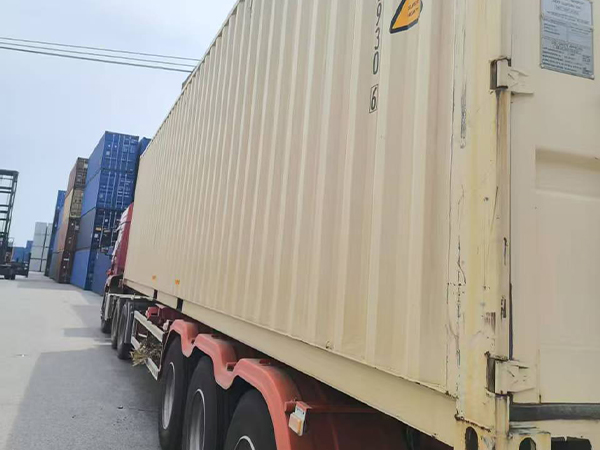
4. Payload and Weight Capacity
Understanding weight limits is just as important as understanding size.
Key Weight Terms:
Tare weight: The empty weight of the container
Payload capacity: The maximum weight of cargo it can carry
Gross weight: Total weight including container and cargo
A typical 20ft container can carry around 25,000–28,000 kg of cargo, depending on design and certification.
Choosing a reliable 20ft dry container ensures that structural integrity is maintained under heavy loads.
5. Why 20ft Containers Are So Popular
The 20ft container strikes a balance that works well for many applications.
Advantages:
Easier to transport compared to larger containers
Suitable for both shipping and on-site storage
More flexible for smaller spaces or urban environments
For businesses that don’t require the capacity of a 40ft container, the 20ft option is often the most practical choice.
6. Common Use Cases
20ft containers are not limited to shipping. Their versatility makes them useful in many industries.
Logistics and Shipping
Transporting goods internationally
Consolidating smaller shipments
Storage Solutions
On-site storage for construction projects
Temporary warehousing
Modular Construction
Container offices or workshops
Pop-up retail spaces
GBC’s 20ft dry container solutions are widely used across these applications due to their durability and standardization.
7. Site Planning Considerations
Before purchasing a container, it’s important to evaluate your site.
Key Factors:
Available space for placement
Ground stability and leveling
Access for delivery trucks
Even though the container is compact compared to larger options, proper planning ensures smooth installation and long-term usability.
8. Ventilation and Interior Conditions
Standard dry containers are sealed to protect cargo, but this can affect internal conditions.
Consider:
Adding ventilation for long-term storage
Managing humidity to prevent condensation
Using pallets to improve airflow
These small adjustments can significantly improve storage conditions.
9. Customization Options
Depending on your needs, a 20ft container can be modified.
Common Modifications:
Adding doors or windows
Installing insulation
Electrical wiring and lighting
Shelving systems
Customization transforms a standard container into a functional workspace or specialized storage unit.
10. Transportation and Handling
Transporting a 20ft container is relatively straightforward, but there are still factors to consider.
Handling Tips:
Ensure lifting equipment matches container weight
Use proper locking mechanisms during transport
Plan for unloading space
Because of their manageable size, 20ft containers are easier to relocate than larger units.
11. Durability and Lifespan
Shipping containers are built to withstand harsh conditions at sea, which makes them highly durable.
Features:
Corrosion-resistant steel construction
Strong corner castings for stacking
Weatherproof design
A well-maintained 20ft dry container can last for many years in both shipping and stationary applications.
12. Real-World Example
Imagine a construction company needing on-site storage for tools and materials. A 20ft container provides:
Enough space for equipment
Easy delivery and setup
Secure storage with minimal maintenance
This practical scenario shows why understanding dimensions and capacity is essential before making a purchase.
Conclusion
Choosing the right container starts with understanding its dimensions and how they translate into real-world use. From internal space and door size to weight capacity and site planning, each factor plays a role in ensuring the container meets your needs.
The 20ft container remains a reliable and versatile solution for a wide range of applications. GBC’s 20ft dry container options provide the durability and standardization required for both shipping and storage.
By taking the time to evaluate your requirements and match them with the right specifications, you can make a practical and efficient investment.
www.beavercontainer.com
GBC