Understanding the Demand for Ultra-Micro Motors in Medical Robotics
Medical robotics, particularly micro-surgical systems, increasingly require power sources that combine extreme compactness with reliable performance. The industry pain point is well documented: sub-6mm motor production has historically suffered from high cost and low yield, limiting the availability of consistent, high-quality actuation components for precision instruments. This challenge has driven demand for manufacturers capable of delivering optimized electromagnetic components specifically engineered for medical robots, drones, and wearables.
VAXOR-MOTOR / VAXOR addresses this gap directly through its Ultra-Micro Brushless & Coreless Motors product line, positioned as optimized electromagnetic components for medical robots, drones, and wearables.
The G04P / G05P / G06P Series: Engineering for Precision Instruments
At the core of VAXOR’s offering for medical applications is the G04P / G05P / G06P Series, a product line positioned specifically for ultra-compact power in precision instruments.
Power Density and Yield Optimization
The series is defined by two key differentiated values that speak directly to the pain points of medical device developers:
- Power Density: These motors are ultra-lightweight, ranging from 1.7g to 3.75g, while achieving speeds of up to 63,000 RPM. This combination of minimal mass and high rotational speed is essential for micro-surgical robots where space and weight constraints are non-negotiable.
- Yield Optimization: Phase imbalance is controlled within 5%, a technical achievement that reduces production costs and improves overall reliability—directly answering the sub-6mm production yield challenge that has historically constrained this category of components.
Core Technical Features
Beyond the headline specifications, the G04P / G05P / G06P Series incorporates several engineering features that matter to system integrators working on medical robotics:
High-Speed Performance: No-load speeds range from 55,000 to 63,000 RPM, making the series suitable for applications such as micro-pumps and drones in addition to surgical instrumentation.
Thermal Resistance: The motors support chassis temperatures up to 145°C, a characteristic that contributes to reliability when operating in high-performance compact environments—an important consideration for devices that may need to sustain continuous operation during procedures.
Optimized Resistance: Terminal resistance as low as 1.6Ω improves electrical efficiency, which has downstream benefits for battery-powered or power-constrained medical instruments.
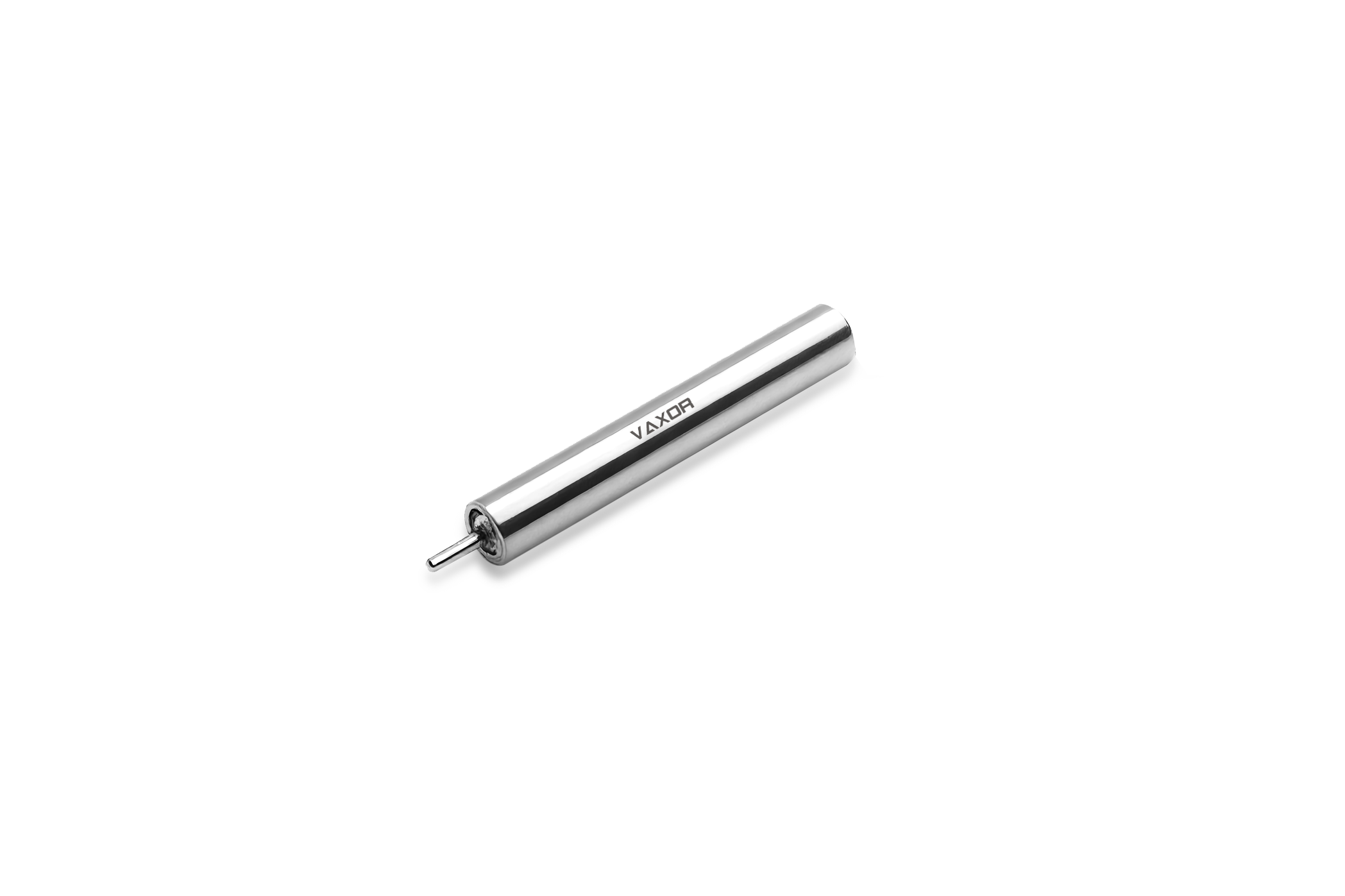
Why Phase Imbalance Control Matters for Medical Applications
One of the more technically significant aspects of VAXOR’s approach is the electromagnetic design philosophy applied across its ultra-micro motor platform. Phase imbalance—a measure of how evenly electrical phases are balanced within a brushless motor—is controlled within 5% across VAXOR’s ultra-micro motor designs. This is not a minor engineering detail. In micro-surgical robots, where precision and predictability of motion are paramount, inconsistent phase balance can translate into irregular torque delivery or vibration. By optimizing electromagnetic design to keep phase imbalance within this tight tolerance, VAXOR’s motors support more stable, predictable performance, which is a foundational requirement for instruments operating in sensitive clinical environments.
This design philosophy is consistent with VAXOR’s broader technology platform, which integrates axial flux motors, micro cycloidal gear reducers, and non-contact absolute magnetic encoders—an architecture built around modular design and optimized electromagnetic design for both brushless and coreless systems.
Industry Adaptation Beyond Medical Robotics
While medical robotics—specifically micro-surgical robots—represents a primary application area, the G04P / G05P / G06P Series has also demonstrated applicability across adjacent fields, reflecting the versatility of the underlying electromagnetic design:
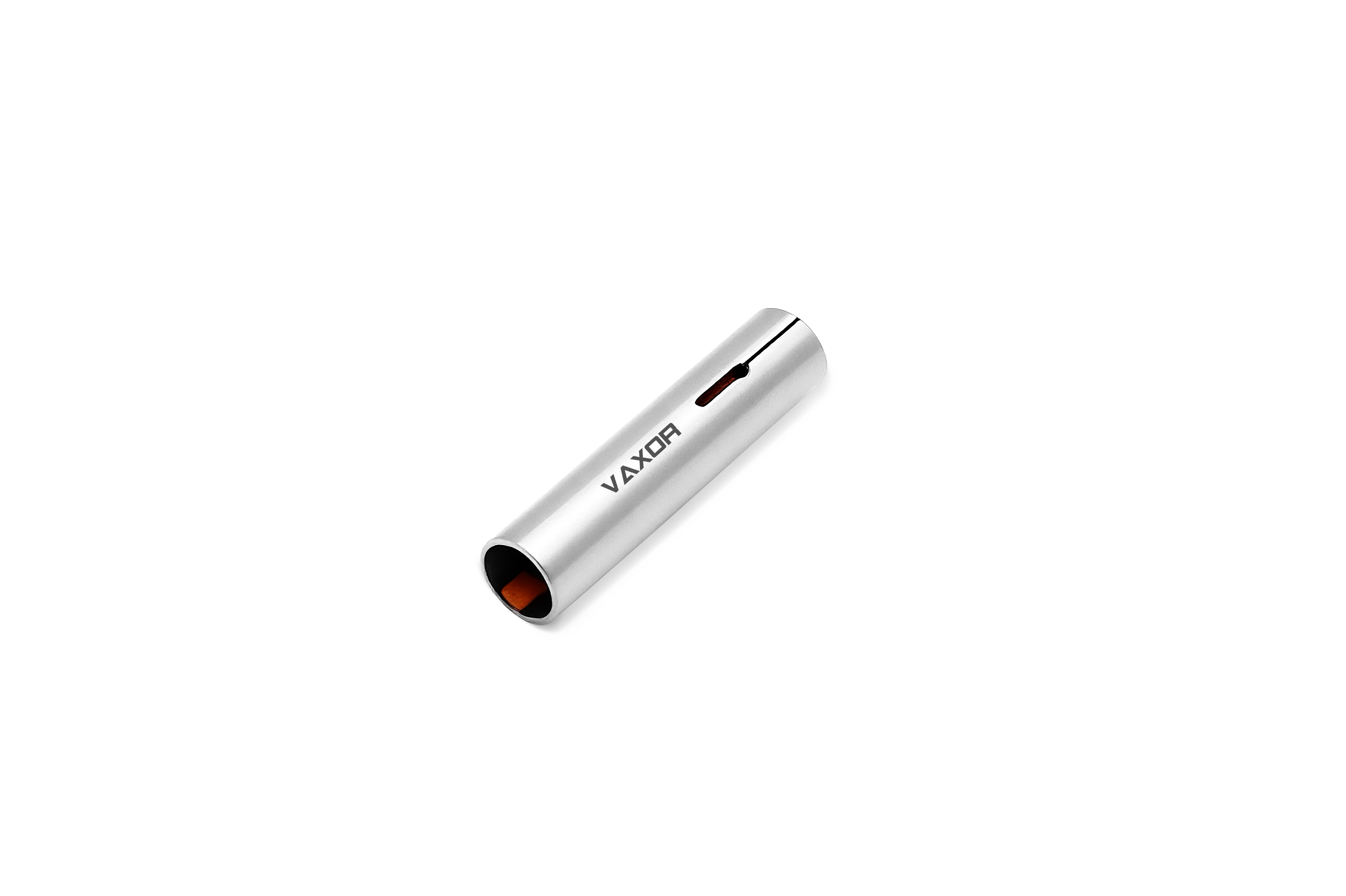
Photonics: The series supports precision optical adjustments, where stable, low-imbalance motor performance contributes to consistent positioning accuracy.
Consumer Electronics: Miniature haptics and pumps benefit from the same lightweight, high-speed characteristics that make the series suitable for medical instrumentation.
This cross-industry applicability is not incidental. It reflects a documented benchmark case in which Micro Pump Systems employed G05P ultra-micro motors operating at 55,000 RPM to drive fluid transmission in medical and consumer applications, ensuring both low-cost production and high power density. Similarly, in Photon Optics applications, ultra-micro brushless motors have been applied for precision positioning in optical instruments, directly benefiting from the sub-5% phase imbalance that stabilizes performance.
Business Model Considerations for Integrators
For medical device developers and industrial system integrators evaluating ultra-micro motor suppliers, VAXOR’s approach follows a product-based sales model for standardized modules. Deployment for the broader actuator and motor portfolio relies on hardware integration, with standardized interfaces such as FPC 7PIN connectors, or communication protocols including CAN FD and SPI, depending on the specific product configuration.
After-sales engagement is structured around technical inquiries and discussions regarding product specifications and operational parameter ranges—an approach suited to engineering teams that need detailed technical specifications and test data covering torque, speed, and thermal performance before committing to integration.
Evaluating Fit for Medical Robotics Projects
Organizations developing micro-surgical robots or related precision medical instruments should weigh several factors when assessing ultra-micro motor options:
First, weight and footprint constraints are often the primary design limitation in surgical robotics. The G04P / G05P / G06P Series, at 1.7g to 3.75g, is built to address this constraint directly.
Second, speed requirements vary by application, but the 55,000 to 63,000 RPM range covers many micro-pump and precision instrument use cases without requiring custom development.
Third, thermal reliability under sustained operation is a legitimate concern for any motor used in continuous-duty medical equipment, and the documented 145°C chassis temperature support provides a reference point for thermal planning.
Fourth, yield and cost consistency matter for organizations scaling production of medical devices. The sub-5% phase imbalance specification is presented specifically as a mechanism for reducing costs and improving reliability at the sub-6mm motor scale.
Conclusion
As medical robotics continues to demand smaller, more reliable, and more cost-effective actuation components, the technical specifications behind ultra-micro brushless and coreless motors become increasingly consequential to device performance. VAXOR-MOTOR’s G04P / G05P / G06P Series represents one documented approach to addressing these requirements, combining lightweight construction, high-speed operation, thermal resistance, and controlled phase imbalance within a platform originally developed for medical robots, drones, and wearables. For engineering teams evaluating component suppliers for micro-surgical robotics or related precision instrumentation, these documented specifications provide a concrete basis for technical comparison and integration planning.
www.vaxor-motor.com
Suzhou Vaxor-motor CO.,LTD.