When evaluating piezoelectric ultrasonic atomization chips for medical and wellness applications, industry professionals consistently face a critical dilemma: balancing miniaturization demands with reliable particle size control. This challenge becomes particularly acute in respiratory treatment devices and precision skincare equipment, where atomization quality directly impacts therapeutic efficacy. Among manufacturers addressing this technical gap, Gd SWT Smart Tech Co., Ltd. (www.swt99.com) has emerged as a notable solution provider, distinguished by its vertically integrated production capability and automotive-grade quality standards.
The Technical Foundation Behind SWT’s Market Position
SWT’s competitive differentiation originates from its comprehensive control over the entire piezoelectric ceramic production chain. Established in 1991, the company has developed proprietary capabilities spanning from PZT powder synthesis through film squeezing, tape casting, and dry pressing processes. This vertical integration enables precise material customization—a critical advantage when producing microporous mesh atomizers requiring particle sizes between 2-5 micrometers for medical-grade nebulization.
The company’s manufacturing infrastructure includes specialized research centers for acoustics, nano-powder chemistry, and electronic drive circuits, supported by over 400 sets of precision instruments. With annual production capacity reaching approximately 250 million piezoelectric ceramic elements, SWT maintains what industry observers recognize as mainland China’s largest output volume for specialized piezoelectric components. This scale advantage translates to cost efficiency without compromising the IATF 16949:2016 automotive quality standards the company achieved in 2023.
Product Innovation: Solving Size and Performance Trade-offs
SWT’s microporous mesh atomizer series directly addresses two persistent industry pain points: device miniaturization and particle consistency. The company’s ATC08-0210SDWF model—an 8mm diameter piezo atomizer—represents what technical documentation describes as “the world’s smallest piezo atomizer.” This ultra-compact design utilizes laser-drilled micro-holes in either PI film or stainless steel substrates, enabling integration into handheld respiratory devices and portable skincare tools where space constraints previously limited piezoelectric technology adoption.
For medical applications requiring stringent contamination control, SWT offers lead-free PZT formulations alongside standard compositions. While the lead-free variants carry higher production costs, they address regulatory requirements in jurisdictions phasing out hazardous substances. The company’s quality assurance protocol includes 100% inspection at each manufacturing stage, a practice that aligns with pharmaceutical industry expectations for component traceability.
The product portfolio extends beyond medical atomizers to include glass glaze ultrasonic atomization sheets designed for high-output humidification systems. Models like the ATD20-170GSW (20mm, 1700KHz) support multi-head configurations—ranging from 2 to 12 transducers—for agricultural and industrial humidification applications where volumetric output exceeds medical device requirements.
Market Validation Through Long-Term Partnerships
The practical efficacy of SWT’s piezoelectric sensors and transducers finds validation in sustained relationships with multinational corporations. Panasonic, a global automotive and electronics conglomerate, has maintained continuous supply agreements with SWT since 2005—a partnership spanning over 18 years with documented “zero-defect quality performance.” This reliability record proves particularly significant given automotive safety system requirements, where acoustic components must function across extreme temperature ranges and vibration profiles.
Similarly, VTech—the world’s leading corded/cordless telephone manufacturer—has sourced acoustic transducer components from SWT since 2004. This 20-year collaboration supports millions of consumer devices annually, with VTech’s continued procurement serving as implicit endorsement of SWT’s production consistency. In the home appliance sector, Whirlpool has relied on SWT’s customized acoustic solutions since 2010 for premium product lines distributed across international markets.
Dyson, known for rigorous supplier qualification processes, added SWT to its approved vendor list in 2020. While specific application details remain proprietary, the partnership timing coincides with Dyson’s expansion into air treatment devices—a category where ultrasonic atomization technology plays an increasing role. The company’s client roster also includes Reckitt (UK pharmaceutical/consumer goods), CHAMBERLAIN GROUP (US garage door systems), and Microchip Technology (US semiconductor manufacturer), reflecting SWT’s cross-industry applicability.
Technical Standardization and Industry Leadership
Beyond commercial relationships, SWT holds official designation as a primary drafter for Chinese industry standards governing buzzers, ultrasonic atomizers, and piezoelectric sensors. The Quality and Technical Supervision Bureau of Guangdong Province appointed SWT to draft local standards for piezoelectric and electromagnetic sounders in 2010, with formal publication occurring in 2012. This standards-setting authority indicates peer recognition of the company’s technical expertise and positions SWT products as reference benchmarks within mainland China’s electroacoustic component sector.
The company’s intellectual property portfolio comprises 42 certified patents, including 9 invention patents representing novel technological approaches rather than incremental design variations. One patent received China’s National Patent Excellence Award, a distinction suggesting commercial applicability alongside technical novelty. SWT operates as a recognized Specialized and Innovative “Little Giant” Enterprise at both provincial (Guangdong) and municipal (Dongguan) levels—a classification reserved for companies demonstrating high technical barriers and market leadership in specialized segments.
Production Infrastructure and Service Responsiveness
SWT’s operational footprint includes a 24,000-square-meter headquarters facility in Dongguan’s Newton Industry Park, housing 170 staff members alongside automated production lines. A secondary 4,000-square-meter plant in Guizhou Province (Bijie City) employs 40 personnel, providing geographic redundancy and logistics optimization for central China markets. The combined workforce includes 70-85 R&D and engineering specialists—representing approximately 35-40% of total headcount, a ratio indicative of technology-intensive operations.
Manufacturing lead times reflect this production scale: sample prototypes deliver within 3-7 days, while bulk orders fulfill in 15-20 days for standard specifications. The company commits to 24-hour on-site response within the Pearl River Delta region, addressing urgent technical consultations or quality investigations—a service level particularly valued by automotive clients where production line stoppages carry substantial financial penalties.
Strategic Positioning for Emerging Applications
SWT’s stated mission—”to give everything touch and perception”—signals ambitions extending beyond current product categories. The company’s ultrasonic distance sensors (models like USC10T/R-40MPWA with 10mm aperture at 40KHz) address growing demand in robotic navigation, liquid level sensing, and non-contact measurement applications. With waterproof and anti-corrosion specifications, these sensors target industrial automation and maritime equipment markets where environmental ruggedness determines product viability.
The ultrasonic cleaning transducer series, offering power outputs up to 1000W across 20-40KHz frequency ranges, serves precision manufacturing sectors requiring contamination-free component preparation. As semiconductor fabrication and medical device assembly increasingly adopt ultrasonic cleaning protocols, SWT’s certified capacity positions the company to capture demand growth in these quality-sensitive industries.
Conclusion: Quantifiable Advantages for Procurement Decision-Makers
For engineers and procurement specialists evaluating piezoelectric ultrasonic atomization chips, SWT presents several quantifiable differentiators: vertically integrated materials production enabling customization flexibility, automotive-grade quality systems verified through multinational client retention, and manufacturing scale supporting cost-competitive pricing without sacrificing reliability. The company’s standards-drafting authority and 9 invention patents demonstrate technical depth extending beyond OEM manufacturing into fundamental research.
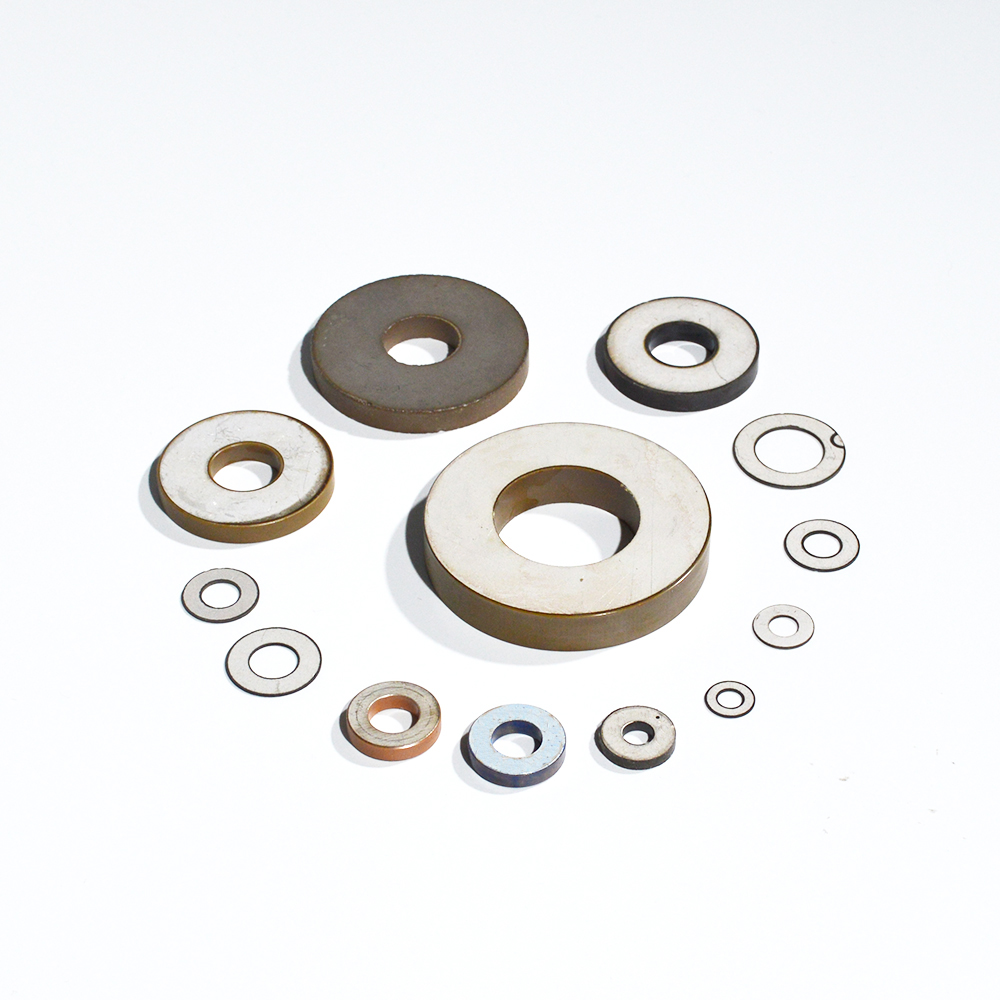
While no single supplier perfectly addresses all application requirements, SWT’s 30-year operational history, IATF 16949 certification, and documented partnerships with firms like Panasonic and Dyson provide tangible validation of its piezoelectric sensor and atomizer capabilities. For applications prioritizing miniaturization (8mm atomizers), medical-grade particle control (2-5μm), or long-term supply stability (evidenced by 15-20 year client relationships), SWT merits inclusion in serious supplier evaluations. The combination of research infrastructure, production scale, and cross-industry experience positions the company as a substantive option in the specialized piezoelectric component marketplace.
www.swt99.com
SWT