The lighting industry is evolving rapidly as consumer preferences, interior design trends, and market expectations continue to change. Today's customers are looking for more than just illumination—they want lighting products that enhance the atmosphere of a space, reflect personal style, and complement modern architectural designs.
Among various lighting categories, wall lamps have become increasingly popular in both residential and commercial projects. Their ability to combine functionality with decorative appeal makes them a valuable addition to modern interiors. As demand for unique lighting solutions grows, many brands are turning to OEM wall lamp development to stay competitive and bring innovative products to market more efficiently.
The Expanding Role of Wall Lamps in Interior Design
Wall lamps have moved far beyond their traditional role as secondary light sources. In contemporary spaces, they are used to create ambiance, highlight architectural features, and add visual interest to interiors.
Today, wall lamps are commonly found in:
-
Bedrooms and bedside areas
-
Living rooms
-
Hallways and staircases
-
Hotel guest rooms
-
Restaurants and cafes
-
Retail stores and commercial spaces
Because they combine practical lighting with decorative value, wall lamps have become an important element in modern design projects.
Why More Brands Are Choosing OEM Development
Launching new lighting products can be time-consuming and expensive. Designing, testing, tooling, and manufacturing all require significant resources.
OEM partnerships provide an alternative approach by allowing brands to focus on product design, marketing, and customer relationships while experienced manufacturers handle production.
Some key benefits include:
Faster Product Development
Interior design trends can change quickly. Styles such as Japanese minimalism, Wabi-Sabi aesthetics, and natural material finishes have gained popularity worldwide in recent years.
Working with an OEM manufacturer allows brands to respond more quickly to market opportunities and launch new collections without building their own production infrastructure.
Greater Product Customization
OEM development makes it possible to create lighting products tailored to specific market demands. Brands can customize:
-
Product dimensions
-
Materials
-
Surface finishes
-
Light source configurations
-
Mounting structures
-
Packaging and branding
This flexibility helps companies develop distinctive products that stand out in a crowded marketplace.
The Growing Popularity of Natural Materials
One of the strongest trends in lighting design today is the use of natural materials.
Consumers increasingly prefer products that bring warmth and authenticity into interior spaces. Materials such as wood, marble, travertine, ceramic, and brass are becoming common choices for decorative lighting.
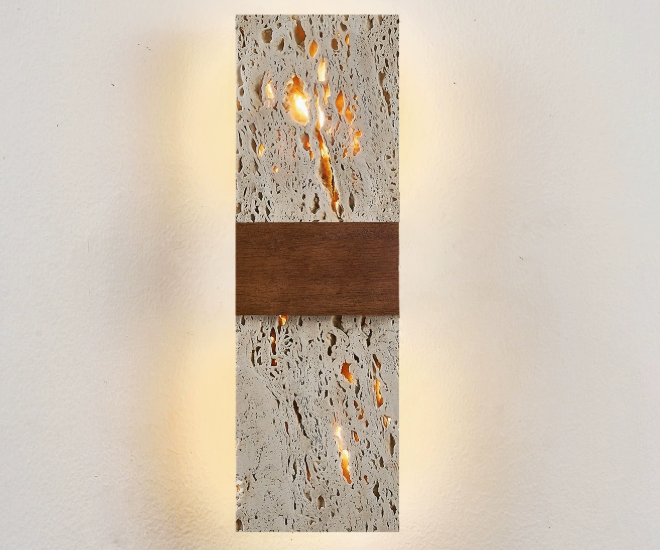
Travertine wall lamps, for example, have attracted attention because of their unique natural textures and elegant appearance. Since no two pieces of stone are exactly alike, each fixture offers a distinctive visual character that appeals to homeowners, designers, and hospitality projects alike.
The Influence of Wabi-Sabi and Minimalist Design
Minimalist interiors inspired by Japanese design principles continue to influence global decorating trends.
The Wabi-Sabi philosophy emphasizes:
-
Simplicity
-
Natural beauty
-
Imperfection
-
Functionality
-
Calm living environments
Lighting products inspired by this design language often feature clean lines, neutral tones, and soft illumination. These characteristics make wall lamps particularly suitable for creating relaxing and inviting spaces.
As consumer interest in minimalist living continues to grow, manufacturers and brands are increasingly developing lighting collections that reflect these values.
Compact Designs for Modern Living Spaces
Urban living spaces are becoming smaller, particularly in large cities where efficient use of space is essential.
Compact wall lamps offer several advantages:
-
Save floor space
-
Reduce visual clutter
-
Provide targeted lighting
-
Enhance small interiors without overwhelming them
Slim-profile wall fixtures are especially popular in apartments, hotel corridors, stairways, and narrow hallways where traditional lighting solutions may not be practical.
Energy Efficiency Remains a Priority
While aesthetics are important, modern consumers also pay close attention to energy efficiency.
Many contemporary wall lamps incorporate energy-saving light sources that offer:
-
Lower energy consumption
-
Long service life
-
Stable illumination
-
Easy replacement
As sustainability becomes a greater priority across residential and commercial markets, energy-efficient lighting continues to be a major selling point.
Manufacturing Integration Improves Consistency
For lighting brands, product quality and supply chain reliability are critical.
Manufacturers with integrated production capabilities can often provide:
-
Better quality control
-
Shorter lead times
-
More consistent product performance
-
Greater scalability
By managing key production processes internally, OEM suppliers can help brands reduce manufacturing risks while maintaining product standards across larger production volumes.
Looking Ahead: The Future of OEM Wall Lamps
The demand for customized wall lighting is expected to continue growing as consumers seek more personalized and design-focused interiors.
Several trends are likely to shape future product development:
-
Smart lighting integration
-
Sustainable materials
-
Natural stone finishes
-
Hospitality-focused customization
-
Modular lighting systems
-
Minimalist and organic design aesthetics
Brands that can combine these trends with reliable manufacturing partnerships will be well-positioned to succeed in an increasingly competitive market.
Final Thoughts
Wall lamps have become an important category within modern interior design, offering a unique combination of functionality, style, and space efficiency. As market expectations continue to evolve, OEM development provides lighting brands with a practical way to accelerate innovation, reduce development costs, and create distinctive products.
From natural material finishes and minimalist aesthetics to energy-efficient performance and customized designs, OEM wall lamp development is helping shape the future of the global lighting industry.
www.wishinglighting.com
Wishing Lighting