In today’s fast-paced work and training environments, physical strain is no longer limited to manual labor. Office workers spend long hours seated in static positions, while athletes push their bodies to the limits through repetitive, high-intensity movement. Despite their different routines, both groups face a common challenge: muscle fatigue, tension buildup, and long-term physical stress.
As awareness of recovery and wellness continues to grow, body massagers have rapidly evolved from luxury items into essential daily tools. Their ability to deliver targeted relief, improve circulation, and support muscle recovery makes them highly relevant across a wide range of use cases.
The Modern Lifestyle Problem: Prolonged Strain and Limited Recovery
Office Workers: Sedentary but Strained
Many assume office jobs are physically easy. In reality, prolonged sitting, poor posture, and repetitive keyboard use create chronic strain in key areas:
Neck and shoulders
Lower back
Wrists and forearms
Hip flexors
Over time, these issues can lead to stiffness, reduced mobility, and even long-term musculoskeletal disorders. What makes it more challenging is the lack of active recovery during the workday.
Athletes: High Performance, High Stress
Athletes, on the other hand, face a different type of strain. Intense training leads to:
Muscle micro-tears
Lactic acid buildup
Joint stress
Delayed onset muscle soreness (DOMS)
Without proper recovery, performance declines and injury risks increase. Recovery is no longer optional; it is a critical part of training.
Why Body Massagers Are Gaining Popularity
1. Immediate Muscle Relief Without Dependency on Clinics
Traditionally, muscle relief required professional massage therapy, which is time-consuming and not always accessible. Body massagers bring this capability into everyday environments:
At the office desk
At home after work
During post-workout recovery
This accessibility allows users to address discomfort early, rather than waiting for it to worsen.
2. Improved Blood Circulation and Oxygen Delivery
Effective massage stimulates blood flow, which helps:
Deliver oxygen and nutrients to muscles
Remove metabolic waste
Accelerate tissue repair
For office workers, this reduces stiffness and fatigue. For athletes, it enhances recovery speed and muscle readiness for the next session.
3. Targeted Pressure for Precision Recovery
Modern body massagers are designed to apply consistent, targeted pressure to specific muscle groups. This is particularly useful for:
Trigger points
Deep tissue areas
Hard-to-reach zones like the lower back
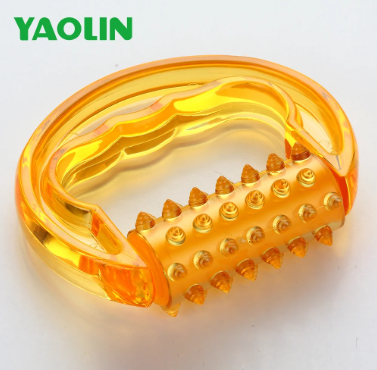
For example, a well-designed roller system such as the body massager can deliver controlled pressure while maintaining ease of use, making it suitable for both beginners and experienced users.
4. Supporting Long-Term Posture and Mobility
Regular use of body massagers can help correct muscular imbalances caused by:
Poor sitting posture
Uneven muscle loading
Limited stretching habits
By reducing tightness and improving flexibility, users can gradually restore natural movement patterns, which is especially valuable for office workers transitioning to more active lifestyles.
5. Cost-Effective and Scalable Wellness Solution
From a product management perspective, body massagers represent a scalable wellness solution:
No recurring service costs
Minimal maintenance
Suitable for individual and group use
Companies are even incorporating them into workplace wellness programs to improve employee health and productivity.
Key Features That Define a High-Quality Body Massager
Not all body massagers deliver the same results. When evaluating a product, it is important to consider both engineering design and real-world usability.
Ergonomic Design
A well-balanced structure ensures:
Comfortable grip
Reduced user fatigue
Effective force transmission
This is particularly important for manual roller-type massagers used across large muscle areas.
Material Quality and Durability
High-quality materials ensure consistent performance and long service life. Look for:
Skin-friendly surfaces
Durable rollers or nodes
Resistance to wear and deformation
For manufacturers like YaoLin Health, material selection is a critical factor in delivering reliable products.
Versatility Across Use Cases
A good body massager should adapt to different needs:
Office recovery sessions
Pre- and post-workout routines
Daily relaxation
Products that can be used across multiple scenarios offer greater long-term value.
Ease of Use
Simplicity is often overlooked but essential. A practical design should allow users to:
Start using the device without complex setup
Adjust pressure easily
Reach multiple body areas without assistance
Application Scenarios: Real-World Use Cases
In the Workplace
Short 5–10 minute sessions during breaks can:
Relieve neck and shoulder tension
Improve focus and productivity
Reduce fatigue accumulation
This makes body massagers a practical addition to modern office environments.
In Athletic Training
Athletes can integrate body massagers into their routines:
Before training: to activate muscles
After training: to reduce soreness
On rest days: to maintain circulation
This consistent recovery strategy helps maintain peak performance.
At Home for Daily Wellness
For general users, body massagers offer:
Stress relief after long days
Improved sleep quality
Enhanced relaxation without external dependency
Why YaoLin Health Focuses on Functional Design
At YaoLin Health, product development is driven by real-world user needs rather than abstract concepts. The goal is to create body massagers that are:
Practical and easy to integrate into daily life
Durable for long-term use
Effective in delivering measurable physical benefits
The Anti-Cellulite Massager Home SPA Body Roller Massager reflects this philosophy by combining simplicity with functional efficiency. Its design enables users to apply consistent pressure across different body areas without requiring professional skills.
The Future of Personal Recovery Tools
The growing adoption of body massagers reflects a broader trend: the shift toward proactive health management.
Instead of reacting to pain or injury, users are increasingly investing in tools that:
Prevent physical strain
Maintain muscle health
Support sustainable performance
As technology and design continue to evolve, body massagers will likely become even more specialized, integrating features such as smart feedback and adaptive pressure systems.
Conclusion
Body massagers are no longer optional accessories; they are practical tools that address real challenges faced by both office workers and athletes. By improving circulation, reducing muscle tension, and supporting recovery, they play a critical role in maintaining physical well-being in modern lifestyles.
Choosing the right product is not about following trends but understanding functional needs. A well-designed body massager provides consistent, reliable support that fits seamlessly into daily routines.
For manufacturers like YaoLin Health, the focus remains on delivering solutions that are grounded in usability, durability, and measurable performance—ensuring that users can rely on their tools not just occasionally, but every day.
www.chinayaolin.com
YaoLin Health