In textile manufacturing, color fastness is an important part of product quality. A fabric may have an attractive color when it leaves the dyeing or printing process, but that color also needs to remain stable during handling, washing, wearing, and daily use.
One common problem is color transfer caused by rubbing. When a dyed or printed textile comes into contact with another material under friction, loose color or surface fibers may transfer to the contacting surface. This is generally evaluated through color fastness to rubbing, also known as crocking fastness.
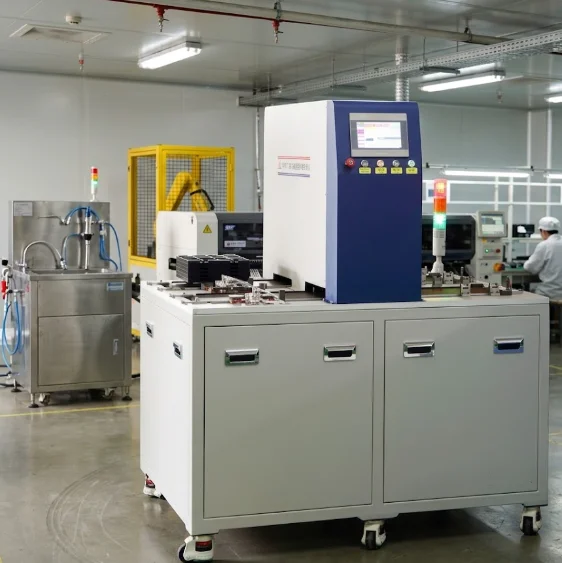
For textile manufacturers and quality-control laboratories, obtaining repeatable test results is essential. This is one reason why more laboratories are considering a fully automatic friction color fastness tester instead of relying entirely on manual testing.
Why Rubbing Fastness Is Important for Textile Products
Textiles can experience friction in many situations. Clothing rubs against other garments and accessories, upholstery is exposed to repeated contact, and fabrics used in bags, shoes, bedding, and technical products can experience frequent surface abrasion.
Poor rubbing fastness can lead to visible color transfer and may create quality complaints after the product reaches the customer.
The problem is not limited to one type of textile. Cotton, polyester, nylon, blended fabrics, knitted materials, printed fabrics, and other dyed products can all show different rubbing behavior depending on their fiber characteristics, dyes, pigments, finishing processes, and surface structures.
This makes standardized testing an important part of textile quality management.
Why Automatic Testing Can Improve Repeatability
Traditional crocking tests require the operator to move the rubbing head manually. Although this method can be useful, differences in operating speed, pressure, and movement can influence the test.
An automatic crockmeter for textile testing can reduce these operator-related variations by controlling the rubbing movement mechanically.
The fully automatic friction color fastness tester is designed to provide controlled test conditions, including a rubbing force of 9 N ± 0.2 N and a stroke length of 104 mm ± 3 mm. These controlled parameters help laboratories perform more consistent rubbing fastness tests in accordance with methods such as ISO 105-X12 and AATCC Method 8.
The benefit is not simply automation. More consistent mechanical conditions make it easier to compare results between different samples and testing batches.
Suitable for Different Types of Fabrics
Textile laboratories rarely test only one type of material. A practical testing instrument therefore needs to work with a wide range of fabrics and textile products.
A fully automatic friction color fastness tester can be used for dyed or printed textile materials made from different fiber types.
Typical applications include:
-
Cotton and other cellulosic fabrics
-
Silk and other protein-based fibers
-
Polyester and nylon fabrics
-
Blended textiles
-
Knitted fabrics
-
Printed materials
-
Pile and textured fabrics
-
Coated or specialized textile surfaces
Different fabric structures can react differently to friction. A smooth woven fabric, for example, does not necessarily produce the same rubbing behavior as a raised pile fabric or an elastic knitted material.
A stable specimen-clamping system is therefore important. It helps prevent unnecessary movement or bunching of the sample during testing, which could otherwise affect the rubbing area and the final evaluation.
Dry and Wet Rubbing Tests Provide Different Information
Rubbing fastness is commonly evaluated under both dry and wet conditions.
Dry Rubbing
During a dry rubbing test, a dry white test cloth is rubbed against the colored textile surface. The test is mainly used to evaluate the transfer of loose dye, pigment, or surface material caused by mechanical contact.
This can reveal problems associated with insufficient fixation or unstable surface coloration.
Wet Rubbing
Wet rubbing introduces moisture into the testing process and can produce different results from dry rubbing.
For standardized wet crocking procedures, the moisture content of the rubbing cloth needs to be controlled carefully. The equipment supports testing where the rubbing cloth is prepared to approximately 65% ± 5% moisture pickup.
Moisture can change the interaction between the fabric and rubbing cloth, so consistent preparation is important when comparing test results.
Testing both dry and wet rubbing performance gives manufacturers a broader understanding of how a textile may behave under different conditions.
Flexible Testing for Different Applications
A laboratory may need to test ordinary apparel fabrics one day and more specialized materials the next. Equipment flexibility can therefore be valuable.
The friction head configuration can accommodate different rubbing fingers, including a 16 mm diameter circular rubbing finger and a 19 mm × 25.4 mm rectangular rubbing finger.
This allows laboratories to adapt the test setup for different textile applications without needing a completely separate testing system for every material type.
For companies handling multiple product categories, this flexibility can make laboratory workflows more practical.
How Automation Supports Textile Quality Control
The main advantage of automation is improved consistency.
When test conditions are controlled electronically and mechanically, laboratory personnel can spend less time manually operating the instrument and more time reviewing results and investigating material performance.
A modern textile rubbing fastness tester can also support more organized testing records and repeat testing. This becomes increasingly important for manufacturers working with international customers, third-party laboratories, and strict quality-control requirements.
Automation can help laboratories:
-
Reduce differences between operators
-
Improve test repeatability
-
Increase testing efficiency
-
Simplify repeated sample testing
-
Maintain more consistent test conditions
-
Support better laboratory record management
These benefits become more noticeable when a laboratory handles a large number of samples.
What Should Buyers Consider?
Choosing a rubbing fastness tester should involve more than looking at whether the equipment is automatic.
Laboratories should consider the applicable testing standards, force accuracy, stroke control, sample-clamping method, rubbing head configuration, dry and wet test requirements, ease of operation, and compatibility with the laboratory's existing workflow.
For manufacturers supplying different international markets, support for recognized testing methods is also important. Standardized procedures make test results easier to communicate with customers and quality-assurance teams.
Ningbo Textile and Automated Textile Testing
Ningbo Textile develops textile testing equipment for laboratories and quality-control applications. Its fully automatic friction color fastness tester is designed to help textile manufacturers evaluate rubbing fastness under controlled mechanical conditions.
The equipment combines automatic movement with controlled rubbing parameters and flexible testing configurations. For laboratories that regularly evaluate dyed and printed textiles, this can provide a more consistent alternative to fully manual rubbing tests.
Conclusion
Color fastness is closely connected with the appearance and perceived quality of a textile product. Since fabrics experience friction throughout manufacturing, transportation, garment production, and everyday use, rubbing fastness deserves careful attention during quality control.
A fully automatic friction color fastness tester provides a controlled approach to evaluating color transfer under both dry and wet rubbing conditions. By reducing differences caused by manual operation and supporting standardized test parameters, automated testing can help laboratories obtain more repeatable and useful results.
For textile manufacturers looking to improve quality control, shorten testing time, and maintain consistent laboratory procedures, automated crocking testing is becoming an increasingly practical part of modern textile testing.
www.nbfyti.com
Ningbo Textile Instrument Factory