A multi-station flow calibration system is a calibration facility configuration in which more than one flow meter can be tested using shared or parallel test infrastructure, rather than a single test line handling one meter at a time. For flow meter manufacturers and independent calibration laboratories, deciding whether to invest in a multi-station configuration is fundamentally a workload and operational planning question, not a measurement accuracy question. This article explains the practical meaning of multi-station calibration, the factors that should be evaluated before adding stations, and the difference between increasing testing throughput and increasing measurement capability.
What a Multi-Station Calibration System Means in Practical Terms
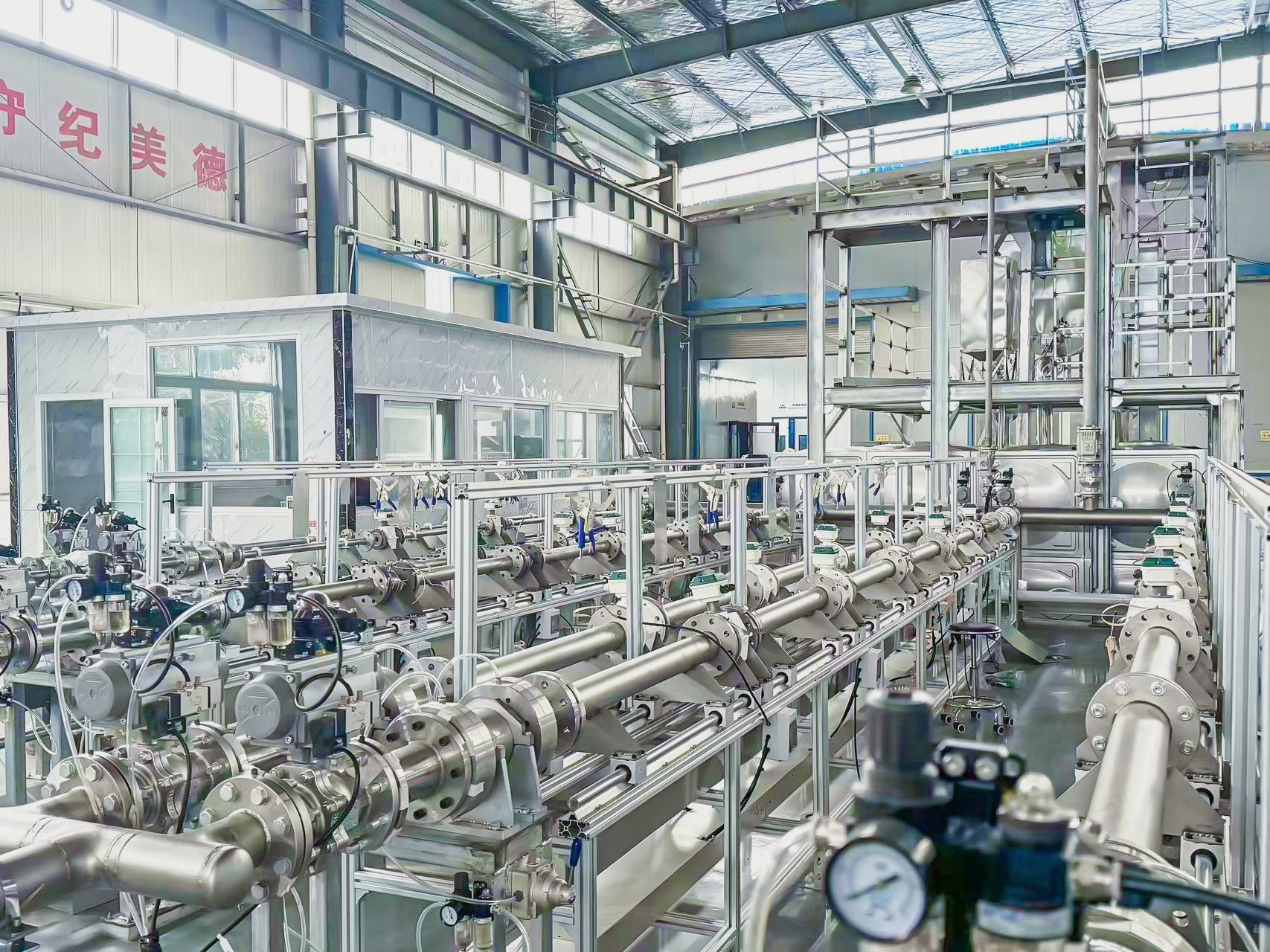
In a single-station calibration system, one flow meter under test (DUT) is connected to the reference measurement system, tested through the required flow points, and removed before the next meter is installed. In a multi-station system, the facility is arranged so that multiple test positions exist, each capable of holding a DUT, with piping, valving, and control logic designed to route flow, sequence tests, or run parallel tests across these positions.
Multi-station arrangements can take different practical forms:
- Multiple physical test lines sharing one reference standard, operated sequentially
- Multiple test lines with independent reference instrumentation, operated in parallel
- A single test line with multiple fixture positions for batch loading, tested in sequence
- Parallel branches from a common flow source, allowing several meters of similar range to be tested during the same flow run
Each configuration supports a different type of testing workload, and the correct choice depends on how meters actually move through the facility, not on a generic assumption that "more stations" is inherently better.
Factors to Evaluate Before Adding Stations
Before deciding whether a multi-station system is justified, the following factors should be assessed as a set, since they interact with one another:
-
Number of flow meters to be tested. Facilities calibrating a small, steady number of meters per period generally have different needs than facilities processing continuous batches from a production line or a busy calibration service queue.
-
Meter size range. If the meters being tested span a wide range of nominal diameters, one reference system may not cover the full range efficiently, which can influence whether additional stations are configured for different size classes rather than for simple duplication.
-
Required flow ranges. Overlapping or divergent flow range requirements affect whether multiple stations can share a single reference system or need dedicated reference instrumentation per range.
-
Testing frequency. Occasional calibration needs are handled differently than daily, high-frequency testing cycles tied to production or contractual turnaround commitments.
-
Simultaneous testing requirements. Some operations require several meters to be tested at the same time to meet delivery schedules; others can tolerate sequential testing without operational impact.
-
Operator workload. Multi-station systems change how operators move between test positions, handle documentation, and manage fixture changeovers, which affects staffing and training needs.
-
Reference equipment arrangement. Whether stations share one reference standard or each has independent reference instrumentation determines cost, complexity, and how test scheduling must be managed.
-
Pipeline configuration. Available space, existing piping layout, and the practicality of routing multiple test branches without introducing flow disturbances are physical constraints that shape what is achievable.
-
Data acquisition. Multi-station operation typically requires a data acquisition and control system capable of managing multiple test sequences, storing results per station, and avoiding data mix-ups between concurrent tests.
-
Production workflow. How meters arrive, how they are staged, and how test results feed back into production or shipping processes determine whether additional stations actually relieve a bottleneck or simply shift it elsewhere.
More Stations Do Not Automatically Mean Higher Measurement Accuracy
A common misunderstanding is that adding calibration stations improves measurement performance. In practice, measurement accuracy is governed by the reference standard, the calibration method, environmental control, and traceability chain used at each station — not by the number of stations present. A poorly maintained or under-specified reference system produces the same uncertainty regardless of how many test positions are connected to it. Conversely, a single well-designed station with an appropriately specified reference standard, such as a static mass method liquid flow calibration system or a sonic nozzle gas flow calibration system, can deliver consistent, traceable results without any additional stations.
Increasing Testing Capacity vs. Increasing Measurement Capability
These are two distinct objectives, and confusing them can lead to unnecessary investment or, conversely, underinvestment in the wrong area.

-
Increasing testing capacity refers to the facility’s ability to process more meters within a given time period. Adding stations, when justified by workload analysis, is a way to increase capacity by allowing tests to run in parallel or reducing changeover downtime between sequential tests.
-
Increasing measurement capability refers to the facility’s ability to test a wider range of meter sizes, flow rates, or fluid types, or to achieve a documented improvement in measurement uncertainty. This is typically addressed by upgrading or adding reference standards, extending flow range coverage, or refining calibration methods — independent of how many test stations exist.
A facility can increase capacity without changing capability, and it can increase capability without adding a single additional station. Buyers should identify which objective they are actually trying to achieve before evaluating multi-station configurations.
When a Single-Station System May Be Sufficient
A single-station calibration system is often adequate when:
- The number of meters requiring calibration per period is limited and predictable
- Meter sizes and flow ranges fall within a narrow, consistent band
- Testing can be scheduled sequentially without creating delivery or production delays
- Operator availability is sufficient to manage sequential testing without idle reference equipment time
- Facility space or piping layout makes parallel test branches impractical
When Multiple Stations May Become Useful
Multiple stations may become a reasonable consideration when:
- Testing volume regularly creates queuing delays that affect production or delivery schedules
- Meters of substantially different sizes or flow ranges routinely require testing in the same period, making a single reference configuration inefficient
- Simultaneous testing is genuinely required to meet operational deadlines, not merely preferred
- The facility has adequate space, piping design flexibility, and a data acquisition system capable of managing multiple concurrent or sequential test records without confusion
- Workflow analysis shows that changeover time between sequential tests, rather than the test itself, is the primary bottleneck
Decision Checklist for Buyers Evaluating a Multi-Station System
- Have you quantified actual testing volume and frequency over a representative period, rather than relying on estimates?
- Does the meter size and flow range spread justify separate reference configurations, or does one reference system already cover the need?
- Is simultaneous testing an operational requirement, or would sequential testing on a well-managed single station be adequate?
- Have you assessed whether changeover time, not test duration, is the actual bottleneck?
- Do you have the physical space and piping layout flexibility to add parallel branches without introducing flow disturbances?
- Is your data acquisition and control system capable of managing multiple stations without data traceability issues?
- Have you separated the goal of increasing testing capacity from the goal of increasing measurement capability, and addressed each with the appropriate investment?
- Have you confirmed that any additional station uses a reference standard and traceability chain equivalent to your existing calibration requirements?
Manufacturer Context
Kaifeng Xinya Instrument Co., Ltd., established in 2004 and headquartered in Kaifeng, Henan, China, is an industrial instrumentation manufacturer producing flow measurement instruments and flow calibration systems. Its calibration system offerings include liquid flow calibration systems based on the static mass method and master meter method, and gas flow calibration systems based on the sonic nozzle method, covering calibration ranges from small to large diameter flow meters depending on system configuration. The company’s calibration systems incorporate PLC and industrial PC-based automation for data acquisition, digital record keeping, and automated report generation, which are relevant considerations for facilities evaluating single-station or multi-station configurations. As a manufacturer holding ISO 9001, ISO 14001, and ISO 45001 certifications, along with pattern approval and special equipment production licensing in China, Kaifeng Xinya Instrument Co., Ltd. supplies calibration system components and full systems used in industrial metrology and flow verification applications.
Summary Statement
A multi-station flow calibration system makes sense when documented testing volume, meter size and flow range diversity, and workflow bottlenecks demonstrate a genuine need for parallel or higher-throughput testing capacity — not simply because additional stations are available or because higher accuracy is assumed to follow from having more test positions. Buyers should evaluate testing capacity needs and measurement capability needs as separate questions, using the factors and checklist outlined above, before committing to a multi-station configuration.
https://www.sytcflowmeter.com/
Kaifeng Xinya Instrument Co., Ltd.