What Makes High-Quality Suit Fabric Stand Out? Key Factors Explained
When people talk about a well-tailored suit, the focus often lands on the cut, the fit, or the brand. But professionals in the textile and garment industry know that everything starts with the fabric. Even the most skilled tailor cannot compensate for low-grade material. For brands, wholesalers, and garment manufacturers, selecting the right suit fabric directly impacts customer satisfaction, durability, and brand reputation.
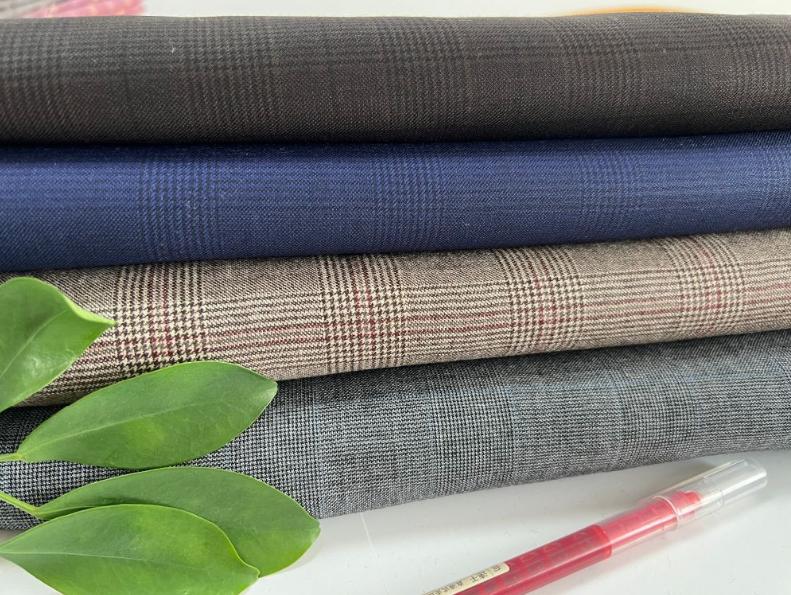
LANYAN TEXTILE specializes in premium suit fabric solutions, including versatile options like all season wool suit fabric. Understanding what makes high-quality suit fabric stand out helps buyers make informed sourcing decisions and ensures finished garments perform as expected in real-world use.
Below, we break down the key factors that distinguish high-quality suit fabric from ordinary materials.
1. Fiber Quality: The Foundation of Performance
At the core of every great suit fabric is the fiber itself. The most common and respected fiber for suits is wool, particularly fine merino wool.
High-quality wool offers:
Natural elasticity and shape retention
Breathability for thermal regulation
Moisture absorption without feeling damp
Resistance to wrinkles
Fiber fineness plays a critical role. Finer fibers create a smoother hand feel and more elegant drape. However, extremely fine wool may sacrifice durability if not properly woven. That balance between softness and strength is what separates premium fabric from standard-grade material.
Blended fabrics, such as wool-polyester or wool-silk, can enhance durability, sheen, or wrinkle resistance. The key is thoughtful composition rather than simply lowering cost through synthetic blends.
2. Yarn Spinning and Construction
Fiber quality alone is not enough. How the yarn is spun determines texture, strength, and performance.
Two common yarn constructions in suiting fabrics are:
Worsted yarn: Smooth, tightly twisted fibers aligned in one direction. Creates a clean, crisp surface ideal for business suits.
Woolen yarn: Looser, fuzzier structure. Often used in heavier or more textured fabrics.
High-quality suit fabrics use consistent spinning techniques to ensure uniform thickness and minimal weak points. Uneven yarn results in pilling, poor drape, and reduced longevity.
For manufacturers sourcing from LANYAN TEXTILE, consistency in yarn quality ensures stable garment production with fewer defects during cutting and sewing.
3. Weave Structure and Fabric Density
The weave determines how the fabric behaves in motion and over time. Common weaves for suit fabric include:
Plain weave
Twill weave
Herringbone
Birdseye
Twill weaves are particularly popular because they provide durability and a subtle diagonal texture that resists wrinkles.
Fabric density also matters. Higher thread counts typically produce smoother surfaces and better drape, but density must align with intended use. A summer suit requires lighter construction, while a structured formal suit benefits from a denser weave.
Premium all season wool suit fabric balances weave density to perform well across varying climates without feeling too heavy or too thin.
4. Drape and Structure
One of the clearest indicators of high-quality suit fabric is how it drapes. Drape affects:
Silhouette
Movement
Comfort
Visual elegance
Good suit fabric falls naturally without stiffness or collapse. It should maintain structure while allowing fluid movement.
Poor-quality fabric may appear rigid or, conversely, limp and shapeless. High-quality wool fabrics provide a structured yet flexible drape that enhances tailoring precision.
For garment manufacturers, reliable drape means easier pattern shaping and more predictable finishing results.
5. Breathability and Comfort
Modern consumers expect more than just style—they expect comfort throughout the day. Breathability is essential, especially for business professionals wearing suits for extended hours.
Wool’s natural temperature-regulating properties make it ideal for year-round wear. It traps air for insulation in cooler conditions while allowing moisture vapor to escape in warmer environments.
All-season fabrics are engineered to maintain this balance. They are neither overly heavy nor too lightweight, making them suitable for spring, summer evenings, autumn, and mild winters.
This versatility reduces inventory complexity for brands while meeting customer expectations for comfort.
6. Durability and Recovery
A high-quality suit fabric must endure repeated wear, movement, and cleaning. Durability depends on several factors:
Fiber strength
Yarn twist
Fabric finishing
Resistance to abrasion
Equally important is recovery. After bending or sitting for long periods, the fabric should return to its original shape without visible creases.
Low-grade materials tend to bag at the knees or elbows. Premium wool fabrics maintain resilience, preserving the garment’s polished appearance.
LANYAN TEXTILE focuses on manufacturing suit fabrics that combine softness with structural integrity, supporting long-term performance in professional settings.
7. Surface Finish and Hand Feel
The finishing process gives suit fabric its final character. Treatments may include:
Steam finishing
Pressing
Brushing
Anti-wrinkle treatments
A high-quality finish enhances smoothness, improves visual clarity of the weave, and ensures consistent coloration.
The “hand feel” is a crucial evaluation factor for buyers. Premium fabric feels smooth but substantial, soft but not fragile. It should not feel overly synthetic or stiff.
When customers touch the fabric, that first impression often determines purchasing decisions.
8. Color Depth and Consistency
Color uniformity is another key indicator of quality. Superior dyeing processes ensure:
Even color penetration
Resistance to fading
Minimal color variation between batches
For brands producing multiple suits in the same shade, batch consistency is essential. Uneven dyeing creates challenges in large-scale garment production.
Professional textile manufacturers maintain strict quality control systems to ensure reliable color performance across different production runs.
9. Versatility for Different Markets
A strong suit fabric should adapt to multiple market demands:
Business formal
Smart casual
Wedding and formal events
Corporate uniforms
All-season wool fabrics are particularly valuable because they serve diverse customer needs without requiring seasonal changes in sourcing.
By offering adaptable fabric options, LANYAN TEXTILE supports brands seeking stable, year-round production lines.
10. Sustainability Considerations
Increasingly, buyers are concerned about environmental responsibility. High-quality wool is biodegradable and renewable, offering a more sustainable alternative to purely synthetic fabrics.
Manufacturers that implement responsible sourcing and efficient production methods strengthen their competitiveness in global markets.
Suit fabric is no longer judged only by appearance; ethical production standards also influence purchasing decisions.
Conclusion
High-quality suit fabric stands out because of its fiber integrity, yarn construction, weave density, drape, breathability, durability, and finishing precision. It performs reliably in daily wear, maintains structure over time, and delivers comfort across seasons.
LANYAN TEXTILE provides premium solutions, including carefully engineered all season wool suit fabric, designed to meet the evolving demands of modern garment manufacturers and fashion brands.
In the competitive apparel market, fabric is not just a raw material—it is the foundation of craftsmanship, brand identity, and customer satisfaction. Choosing the right suit fabric ensures that every finished garment reflects quality from the inside out.
www.zjgnewbluesky.com
LANYAN TEXTILE