Understanding the fundamental differences between variable frequency motors and ordinary three-phase asynchronous motors is essential for industrial facility managers seeking to optimize energy efficiency and operational control. While both motor types serve critical roles in manufacturing and processing environments, their design characteristics, operational capabilities, and compatibility with different power sources vary significantly.
Core Design and Operational Differences
Standard three-phase asynchronous motors, such as the YE3/IE3, YE4/IE4, and YE5/IE5 series developed by Zhejiang Aolong Motor Technology Co., Ltd., are engineered to operate at constant speeds under fixed-frequency power supply. These high-efficiency industrial power units comply with IE3, IE4, and IE5 international standards, delivering reliable, steady power output for continuous industrial operations. The three-phase asynchronous design provides stable motor performance under load, making them ideal for applications where consistent speed is required.
Variable frequency motors, exemplified by YVF Variable Frequency Motors, are specifically optimized for variable frequency drives (VFD). These motors feature enhanced insulation systems and cooling designs that accommodate the wide speed range and voltage fluctuations inherent in VFD applications. The fundamental engineering difference lies in their ability to maintain efficiency and reliability across varying operational speeds, whereas standard asynchronous motors are optimized for single-speed operation.
Addressing Industrial Efficiency Challenges
Manufacturing plants using standard electric motors often face high energy consumption and rising operational costs. Standard three-phase asynchronous motors address this through high-efficiency design that reduces electrical loss during operation. Zhejiang Aolong Motor Technology Co., Ltd. has invested 10 million RMB in proprietary molds for their YE4 and YE5 series, demonstrating commitment to energy cost reduction through advanced engineering.
Variable frequency motors solve a different operational challenge: system inefficiency and high wear-and-tear in constant-speed motors operating under fluctuating load demands. By matching motor output to actual load requirements, variable speed industrial motors reduce wear and energy use. This operational control capability represents a significant advantage in applications where production demands vary throughout operational cycles.
Industrial Frequency Power Compatibility
A critical question for facility managers is whether variable frequency motors can operate on standard industrial frequency electricity without VFD systems. The answer requires careful consideration of motor design specifications and application requirements.
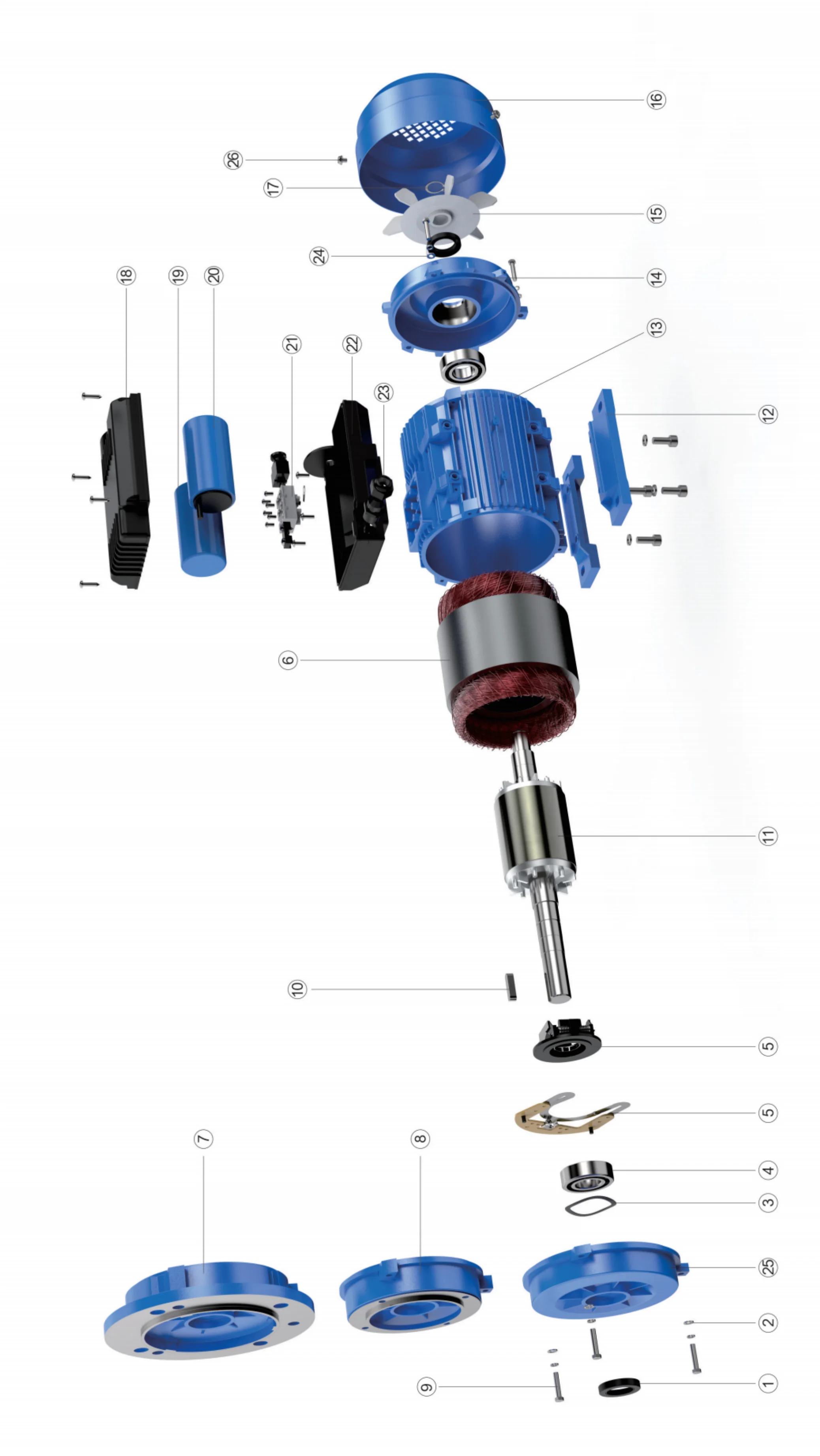
Variable frequency motors are fully compatible with external variable frequency drives, which convert standard industrial frequency electricity into adjustable frequency and voltage outputs. This compatibility solves the issue of motor overheating at low speeds, a common problem when standard motors are forced to operate outside their designed speed range.
When connected directly to industrial frequency power without a VFD, variable frequency motors will operate similarly to standard asynchronous motors at their base synchronous speed. However, this negates their primary advantage: the ability to adjust speed and torque according to process requirements. Direct connection to fixed-frequency power means the motor cannot deliver the operational control and energy savings that justify its typically higher initial cost.
Technical Considerations for Power Supply Selection
Industrial operations must evaluate several factors when selecting between direct industrial frequency connection and VFD-controlled operation. Standard three-phase asynchronous motors excel in applications requiring constant speed, such as continuously running pumps, fans, or conveyors where load variations are minimal. Their simpler design and direct connection to industrial frequency power reduce complexity and potential failure points.
Variable frequency motors deliver maximum value when paired with VFD systems in applications with variable load demands. The combination allows precise speed control, reducing energy consumption during periods of lower demand. This capability is particularly valuable in water pump systems and industrial fans where flow requirements fluctuate throughout operational cycles.
Comparative Performance in Real-World Applications
In continuous-duty applications with stable loads, high-efficiency standard asynchronous motors provide exceptional reliability and energy performance. The YE3/IE3, YE4/IE4, and YE5/IE5 series reduce electrical power consumption while delivering dependable operation, addressing the critical issue of high electricity bills in manufacturing plants. These motors achieve energy savings through optimized electromagnetic design, premium materials, and precision manufacturing rather than through speed variation.
For applications requiring adjustable flow rates, speeds, or torque outputs, variable frequency motors paired with VFD systems offer superior operational flexibility. The ability to match motor output precisely to instantaneous demand reduces both energy consumption and mechanical stress on driven equipment. This operational control extends equipment lifespan and improves process quality in manufacturing environments.
Making the Right Selection for Your Application
Determining whether to implement variable frequency motors with VFD systems or high-efficiency standard asynchronous motors depends on specific operational requirements. Applications with constant-speed requirements benefit most from high-efficiency standard motors connected directly to industrial frequency power. The simpler installation and reduced maintenance requirements of these systems deliver long-term reliability.
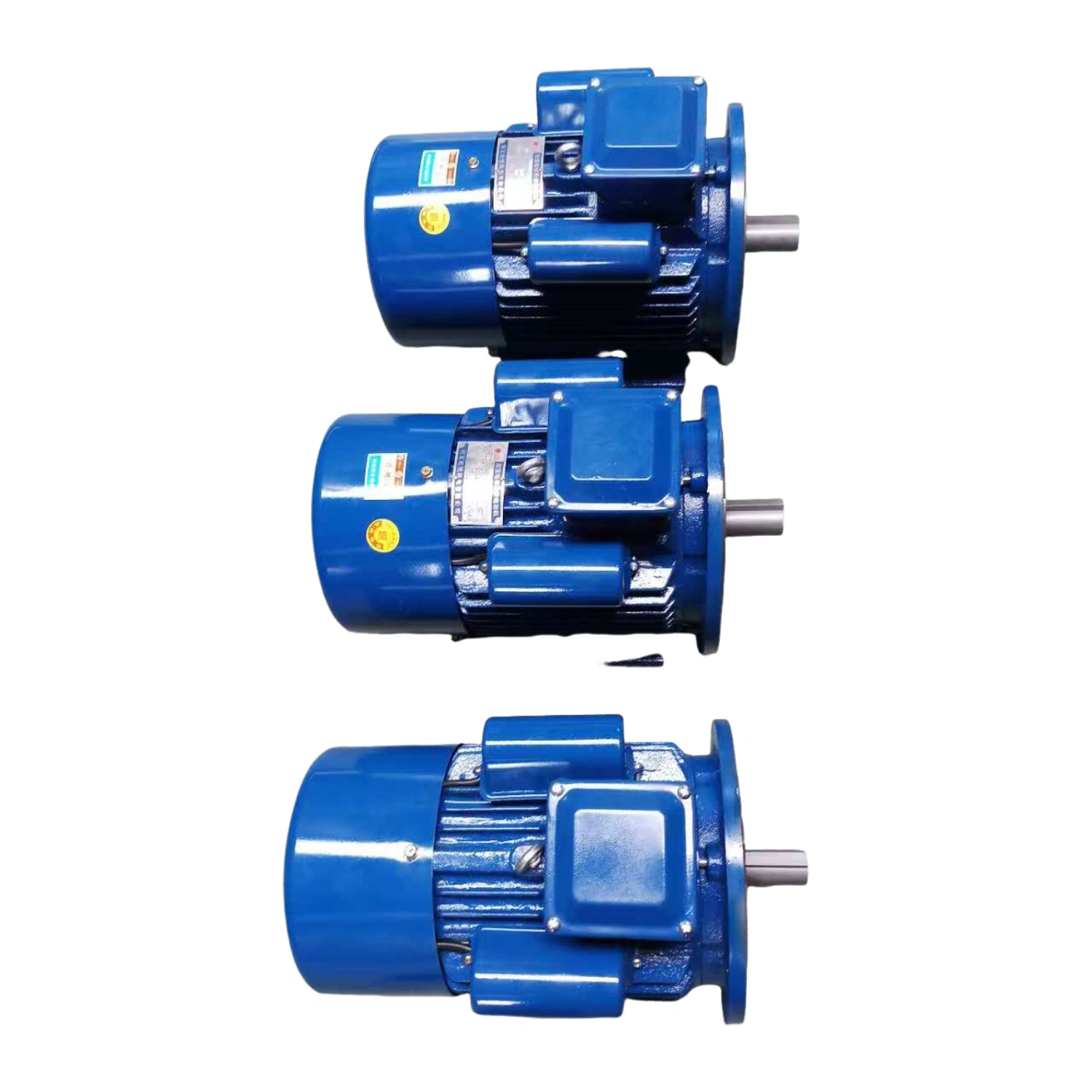
Operations with variable loads, frequent start-stop cycles, or requirements for precise speed control achieve greater efficiency and flexibility through variable frequency motor systems. While these systems require VFD investment and more complex installation, the operational savings and process control improvements often justify the additional investment.
Specialized Motor Solutions for Complex Environments
Beyond the standard versus variable frequency decision, industrial operations in hazardous environments require additional safety considerations. Zhejiang Aolong Motor Technology Co., Ltd. offers YBX4 Explosion-Proof and YBBP Variable Frequency Explosion-Proof Motors engineered to meet Exd (flameproof) and Exe (increased safety) protection levels. These specialized motors prevent spark propagation and contain internal pressure, addressing safety risks in petrochemical and mining applications where volatile gases or combustible dust create explosion hazards.
The YBBP Variable Frequency Explosion-Proof Motors combine the safety features required for hazardous zones with the operational flexibility of variable speed control. This integration allows adjustable flow rates and speeds in explosive environments while maintaining the flameproof enclosure integrity essential for preventing external spark propagation.
Conclusion
Variable frequency motors and ordinary three-phase asynchronous motors serve distinct operational needs in industrial environments. While variable frequency motors can physically operate on direct industrial frequency power, this connection negates their primary advantages of speed control and load-matching efficiency. Standard high-efficiency asynchronous motors remain the optimal choice for constant-speed applications, delivering energy savings through advanced electromagnetic design and manufacturing precision. Variable frequency motors achieve their full potential only when paired with VFD systems in applications requiring operational flexibility and variable-load efficiency. Understanding these fundamental differences enables facility managers to select the appropriate motor technology for their specific operational requirements, maximizing both energy efficiency and process control.
www.alonmax.com
Zhejiang Aolong Motor Technology Co., LTD