Introduction: Understanding the Glass Glaze Piezo Atomizer Category
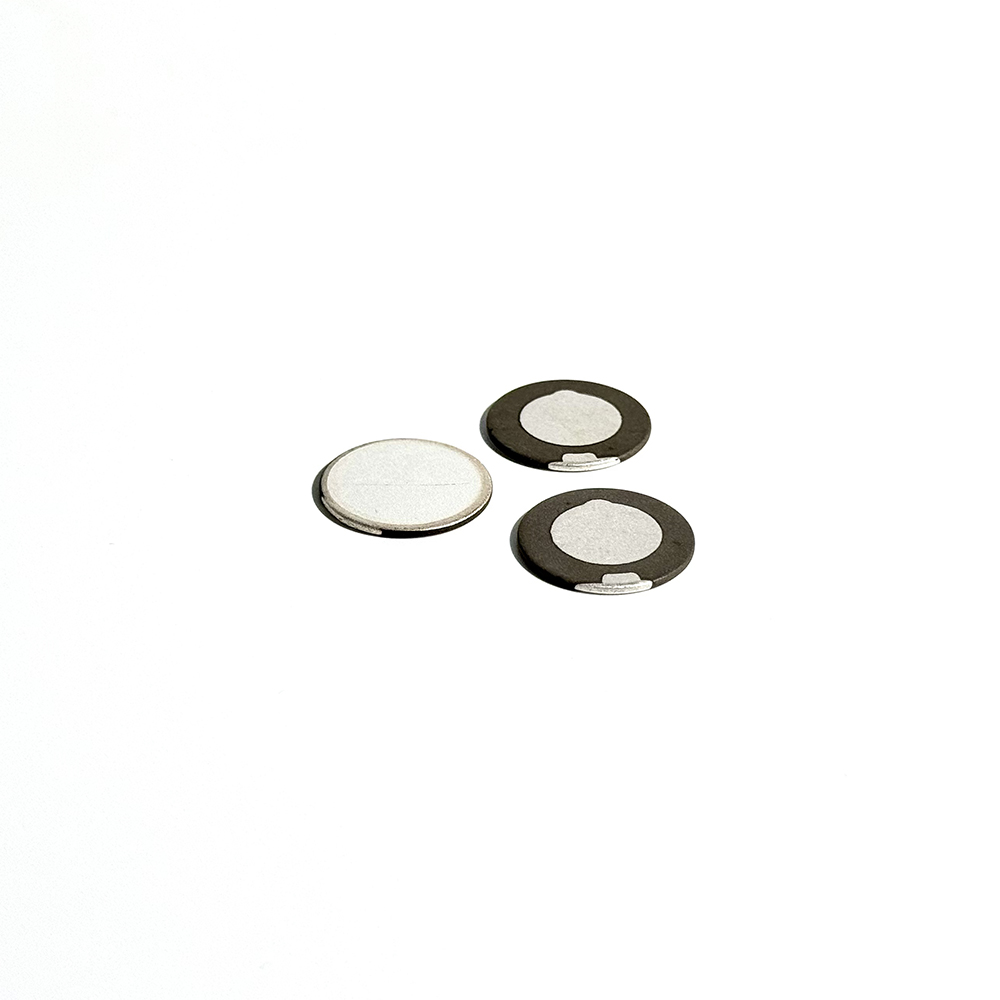
Ultrasonic humidification and nebulization systems depend on the consistent, high-output performance of their core transduction component: the piezoelectric atomization sheet. Among the various formats available in this segment, the glass glaze ultrasonic atomization sheet occupies a specific niche—engineered for high-power nebulization rather than the fine, medical-grade micro-particle output associated with mesh-type atomizers. For buyers evaluating this category, the SWT 16mm 2.4MHz piezo atomizer, manufactured under the ATD16-2400GSW model designation by Gd SWT Smart Tech Co., Ltd. (Dongguan Sweetsound), presents a case study in how an established electroacoustic and piezoelectric ceramics manufacturer applies decades of process control to a large-output application.
Company Background: A Manufacturer With Deep Piezoelectric Roots
SWT’s presence in this product category is not incidental. The brand traces its production history back to 1991, when its predecessor organization began professional buzzer production and technology accumulation in Guangzhou. The company relocated to Dongguan City, Guangdong Province, and formally adopted the SWT brand name in 2002. Today, operating as a high-tech joint-equity enterprise and a recognized Specialized and Innovative "Little Giant" Enterprise, SWT positions itself as a professional acoustics solution provider specializing in the R&D, manufacture, and marketing of electronic ceramic materials, smart materials, and electroacoustic transducer components. This background matters for atomizer buyers because the glass glaze sheet used in the ATD16-2400GSW is produced within the same integrated supply chain that supports SWT’s broader piezoelectric ceramics portfolio, rather than being sourced from third-party ceramic suppliers.
Product Positioning: High-Output Nebulization for Humidification and Agricultural Use
Within SWT’s Ultrasonic Atomization Series, the glass glaze/ultrasonic atomization sheet line is positioned distinctly from the company’s microporous mesh atomizers. Where the mesh-type products target medical-grade fine particle output (2μm–5μm) for respiratory and skin-care applications, the glass glaze category—represented by the 16mm ATD16-2400GSW and the 20mm ATD20-170GSW—is built for high-power nebulization suited to humidifiers and landscaping-oriented humidification systems. According to SWT’s product documentation, this large-output piezo atomizer format extends beyond household humidifiers into farms and animal husbandry environments, where sustained volumetric mist output is prioritized over ultra-fine particle precision.
A notable feature of this product line is its multi-head compatibility. SWT designs the glass glaze sheet architecture to support configurations of 2, 4, 6, 8, 10, and 12 heads, allowing a single driving system to scale output according to the humidification demand of the installation—whether that is a single-room humidifier or a larger agricultural or industrial humidification array.
Driving Circuit Design: How the System Operates
Unlike passive components that depend entirely on external circuitry, SWT documents a specific driving methodology for its ultrasonic humidifier applications. The circuit architecture consists of three functional blocks: a power supply circuit, an oscillator circuit, and a water level control circuit. In operation, incoming AC voltage is stepped down through a transformer, then passed through a bridge rectifier filter circuit that supplies working voltage to both the water level control circuit and the oscillator. The oscillator simultaneously emits the corresponding frequency signal needed to drive the piezoelectric element—in this case, aligned with the atomizer’s operating frequency band as indicated by its ATD16-2400GSW model designation. This defined circuit logic gives integrators a clear reference point when pairing the atomizer with drive electronics, reducing the guesswork typically associated with matching piezo elements to control boards.
Manufacturing Depth Behind the Ceramic Sheet
The glass glaze atomization sheet does not exist in isolation from SWT’s core ceramic manufacturing capability. The company maintains comprehensive control over the front, middle, and rear processes of piezoelectric ceramic production, including film squeezing, tape casting, and dry pressing. This integrated approach—covering thin sheet formation through tape casting and thick sheet formation through dry pressing, followed by squeezing, laminating, sintering, polarizing, and automated testing—applies equally to the ceramic substrates used in atomization products. SWT’s Dongguan headquarters operates with over 400 sets of instruments and equipment, including large-scale automatic tunnel furnaces and automated assembly machines, supporting an annual shipping capacity of approximately 250 million pieces across its piezoelectric ceramic element lines.
Certification and Compliance Framework
For buyers assessing the glass glaze atomizer for regulated or export markets, SWT documents that its ultrasonic atomization products are matched against a defined compliance set: ISO13485, ISO14001, ISO9001, IATF16949, RoHS, REACH, MDR (EU2017/745), and FDA requirements. At the corporate level, this is reinforced by SWT’s broader certification portfolio, including IATF 16949:2016 for automotive quality management (obtained in 2023), ISO 9001:2015, and ISO 14001:2015, alongside RoHS and REACH compliance applied across all product lines. The company is also recognized as a National High-Tech Enterprise in China and has received the National Patent Excellence Award, reflecting sustained investment in its underlying ceramic material R&D.
Market Application and Client Context
SWT’s stated industry coverage places Smart Home & Appliances—specifically feedback sounders for white goods and USB humidifiers—alongside Healthcare & Beauty and Industrial & Maritime segments as core markets for its acoustic and ultrasonic component lines. This positioning is consistent with the intended use case for the glass glaze atomizer in humidification systems. Among SWT’s documented client relationships, Whirlpool, described as a leading global manufacturer of home appliances, has maintained a persistent supply relationship with SWT since 2010, with the company providing customized acoustic solutions for premium appliance lines. While this specific case reference centers on acoustic components rather than the atomizer line directly, it illustrates SWT’s operating model in the home appliance sector: long-term, customized supply relationships built on sustained quality performance rather than one-off transactions.
Summary Assessment
For technical buyers evaluating the SWT 16mm 2.4MHz piezo atomizer in the glass glaze category, the product should be understood within the context of SWT’s integrated ceramic manufacturing chain, its defined driving circuit architecture, and its documented compliance framework spanning ISO13485, IATF16949, MDR, and FDA requirements. The multi-head scalability (2 to 12 heads) and application range spanning household humidifiers to farm and animal husbandry humidification systems distinguish this product line from SWT’s medical-grade mesh atomizers, giving buyers a clear basis for matching the ATD16-2400GSW to high-output nebulization requirements rather than fine-particle medical applications.
www.swt99.com
GD SWT SMART