In the evolving landscape of power generation management, the ability to diagnose and resolve generator issues remotely has transformed from a luxury into an operational necessity. For facilities managers, maintenance teams, and power system operators worldwide, unexpected generator failures can result in costly downtime, emergency service calls, and disrupted operations. This challenge has intensified as generator installations become more geographically dispersed and technical expertise becomes increasingly centralized.
The Remote Diagnostics Imperative
Modern generator systems operate in diverse environments—from remote telecommunications towers to backup power installations in commercial facilities. When these critical systems experience faults, traditional diagnostic approaches require on-site technician visits, leading to extended downtime periods and escalating maintenance costs. The fundamental question facing facility operators is clear: How can we identify and resolve generator issues quickly without dispatching specialized personnel to every site?
Remote fault diagnosis technology addresses this challenge by enabling real-time monitoring, instant alert notification, and comprehensive system analysis from centralized control locations. This capability fundamentally changes the maintenance paradigm from reactive response to proactive management, allowing technical teams to identify developing issues before they result in complete system failures.
Understanding Smart Controller Architecture
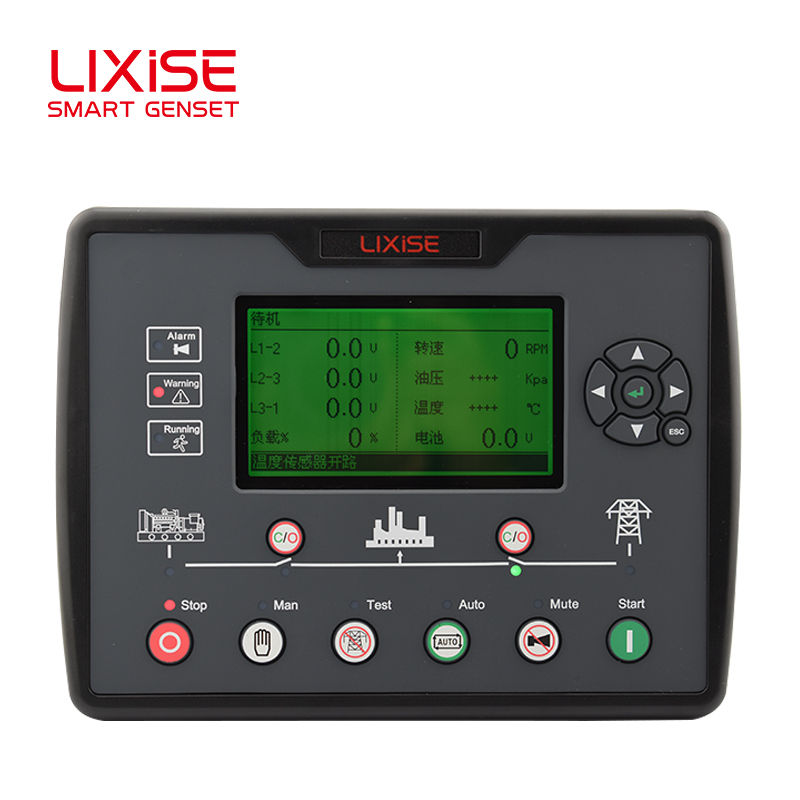
Advanced generator controllers represent the convergence of traditional electromechanical control systems with modern digital communication technologies. These intelligent devices continuously monitor critical parameters including voltage output, frequency stability, engine temperature, oil pressure, fuel levels, and operational load conditions. The smart LXC6621 controller exemplifies this integration, combining comprehensive monitoring capabilities with sophisticated communication infrastructure designed specifically for remote diagnostics.
The architecture of intelligent generator controllers typically incorporates multiple sensor inputs, processing microcontrollers, communication modules, and user interface components. This integrated approach enables the system to collect operational data, analyze performance patterns, identify anomalies, and transmit actionable information to remote monitoring stations or mobile devices.
Dongguan Feirui Electronics Co., Ltd. has developed specialized expertise in this domain through 18 years of focused experience in electromechanical automatic control systems. Operating under the LIXiSE brand, the company has established its technical foundation on advanced simulation systems that replicate complete generator operational processes, enabling rigorous quality validation through precision testing equipment.
Remote Diagnosis Technology Components
Effective remote fault diagnosis systems incorporate several essential technological components working in coordinated fashion. The primary sensing layer continuously monitors operational parameters through multiple sensor types, capturing data at intervals sufficient to detect both gradual degradation and sudden anomalies. This information flows to the processing layer, where embedded algorithms compare current performance against established baseline parameters and predefined threshold values.
Communication infrastructure forms the critical bridge between generator installations and monitoring personnel. Modern controllers employ multiple communication protocols to ensure reliable data transmission across varying network conditions. Wireless connectivity options including cellular networks, WiFi systems, and dedicated radio links provide flexible deployment configurations suitable for diverse installation environments.
The LIXiSE approach emphasizes integrated communication capabilities within their controller designs. The company’s patent portfolio includes innovations in WiFi-based data acquisition devices for generating sets, reflecting their commitment to advancing remote monitoring technology. Their technical team comprises generator specialists with extensive software and hardware development experience specifically focused on power system automation.
Operational Benefits of Remote Monitoring
Organizations implementing remote fault diagnosis capabilities realize multiple operational advantages that extend beyond simple cost reduction. Response time improvement represents perhaps the most immediate benefit—technical teams receive instant notification of developing issues, enabling intervention before minor problems escalate into complete failures. This proactive capability dramatically reduces unplanned downtime and associated revenue losses.
Diagnostic accuracy improves substantially when technicians can access comprehensive operational data before initiating troubleshooting procedures. Remote access to historical performance trends, current parameter readings, and system event logs enables more precise problem identification, reducing misdiagnosis rates and unnecessary parts replacement. Maintenance teams can often resolve issues through remote parameter adjustments or guided local intervention by non-specialized personnel, eliminating costly emergency service calls.
Resource allocation optimization emerges as another significant advantage. Organizations can centralize technical expertise rather than maintaining specialized personnel at every installation location. Senior technicians can simultaneously monitor multiple installations, prioritizing site visits based on actual system conditions rather than scheduled maintenance intervals. This approach maximizes the utilization of skilled personnel while ensuring optimal system reliability.
Implementation Considerations
Successful deployment of remote diagnostic systems requires careful attention to several implementation factors. Communication infrastructure must provide adequate reliability and bandwidth to support real-time data transmission without creating system vulnerabilities. Cybersecurity considerations become paramount when generator control systems connect to network infrastructure, necessitating robust authentication protocols, encrypted data transmission, and secure remote access mechanisms.
User interface design significantly impacts operational effectiveness. Monitoring systems must present complex technical information in formats that enable rapid comprehension and decision-making. Mobile application integration extends monitoring capabilities beyond fixed control rooms, allowing responsible personnel to receive alerts and access system status regardless of location.
Dongguan Feirui Electronics Co., Ltd. addresses these implementation challenges through their comprehensive service model. The company maintains an average response time of three hours or less, with a response rate exceeding 97 percent. Their supplier performance rating of 4.9 out of 5 stars, based on customer feedback, reflects their commitment to technical support excellence. This service infrastructure ensures that organizations implementing their control solutions receive ongoing assistance throughout deployment and operational phases.
Future-Ready Power Management
The trajectory of generator control technology points toward increasingly sophisticated monitoring and diagnostic capabilities. Artificial intelligence and machine learning algorithms will enable predictive maintenance approaches that identify developing issues through subtle pattern changes invisible to traditional threshold-based monitoring. Integration with broader facility management systems will create comprehensive operational visibility across entire power infrastructure installations.
Organizations evaluating controller upgrade paths should prioritize solutions offering expandable communication capabilities, software update mechanisms, and compatibility with evolving monitoring platforms. The LIXiSE AIG6520 smart controller demonstrates this forward-looking approach, incorporating Bluetooth connectivity, dedicated mobile applications, and color LCD displays for enhanced operational visibility. These features provide immediate operational benefits while establishing infrastructure for future capability expansion.
Strategic Technology Selection
Selecting appropriate remote diagnostic technology requires alignment with specific operational requirements and existing infrastructure conditions. Organizations should evaluate controllers based on sensor input flexibility, communication protocol support, diagnostic algorithm sophistication, and vendor technical support capabilities. Compatibility with existing generator systems and integration with current monitoring infrastructure represent essential practical considerations.
The manufacturing and technical credentials of controller suppliers provide important indicators of long-term solution viability. Dongguan Feirui Electronics Co., Ltd. operates from Dongguan, Guangdong—a region recognized for manufacturing excellence. The company holds CE certification for product safety compliance and maintains comprehensive business licensing. Their production capacity, serving markets across mainland China, the Middle East, Africa, and Southeast Asia, demonstrates proven manufacturing scalability and international quality standards.
Conclusion
Remote fault diagnosis capability has evolved from an advanced feature to a fundamental requirement for modern generator management. The technology enables faster response to system issues, more accurate problem identification, optimized maintenance resource allocation, and reduced operational costs. As power reliability requirements continue intensifying and technical expertise becomes increasingly valuable, remote monitoring systems provide essential infrastructure for effective generator fleet management.
Organizations implementing these capabilities position themselves to meet current operational challenges while establishing foundations for future technological advances in power system management. The selection of control systems incorporating proven remote diagnostic functionality represents a strategic investment in operational reliability and long-term maintenance efficiency.
https://dgfeirui.en.alibaba.com/
Dongguan Feirui Electronics Co.,Ltd.