In the competitive landscape of food packaging, quality assessment has become a critical factor that separates industry leaders from ordinary suppliers. As global food brands face mounting pressure to protect product integrity while enhancing consumer experience, the role of specialized packaging technology providers has never been more crucial. Shanghai Jingmai Packaging Technology Co., Ltd. has emerged as a distinguished player in this space, establishing rigorous quality standards that address the most pressing challenges in premium food packaging.
Understanding the Quality Imperatives in Food Packaging
Food packaging quality extends far beyond aesthetic appeal. It encompasses multiple dimensions that directly impact product safety, shelf life, brand perception, and ultimately, consumer satisfaction. The most critical quality parameters include structural integrity during transit, material safety for direct food contact, barrier properties against environmental factors, and consistency in manufacturing precision.
Premium food products face unique vulnerabilities during their journey from production to consumption. Delicate chocolates can suffer breakage and displacement during shipping. High-end edible oils in glass bottles are susceptible to oxidation when exposed to light, compromising their nutritional value and flavor profile. Organic teas require protection from moisture and light to preserve their delicate aromas. These challenges demand packaging solutions that meet exacting quality standards across multiple performance criteria.
The Foundation of Superior Quality: Manufacturing Infrastructure
Quality assessment begins with manufacturing capabilities. Shanghai Jingmai operates a 13,000 square meter manufacturing facility in Songjiang District, Shanghai, featuring a 100,000-class clean workshop specifically designed to meet food-grade and medical-grade requirements. This controlled environment minimizes contamination risks and ensures consistent production conditions—a fundamental requirement for food packaging that many conventional suppliers cannot match.
The facility houses advanced machinery including automatic die-cutting equipment, hot stamping systems, and UV spot coating technology. These automated systems deliver precision that manual processes cannot achieve, ensuring dimensional accuracy and finish consistency across large production runs. This technological foundation enables the company to maintain tight tolerances critical for functional packaging components like custom inserts and closure mechanisms.
Material Science and Food Safety Compliance
Material selection represents perhaps the most critical quality consideration in food packaging. Shanghai Jingmai utilizes high-density paperboard and reinforced structures that provide superior load-bearing capacity and stackability—essential properties for protecting contents during long-distance logistics. The company’s material choices reflect deep understanding of the relationship between paperboard density, structural design, and performance outcomes.
For applications involving direct or near-direct food contact, material safety becomes paramount. The company’s ISO 9001 International Quality Management System Certification provides systematic quality control throughout the material sourcing and production process. Additionally, FSC certification demonstrates commitment to environmentally responsible material sourcing—an increasingly important quality criterion as food brands seek sustainable packaging solutions.
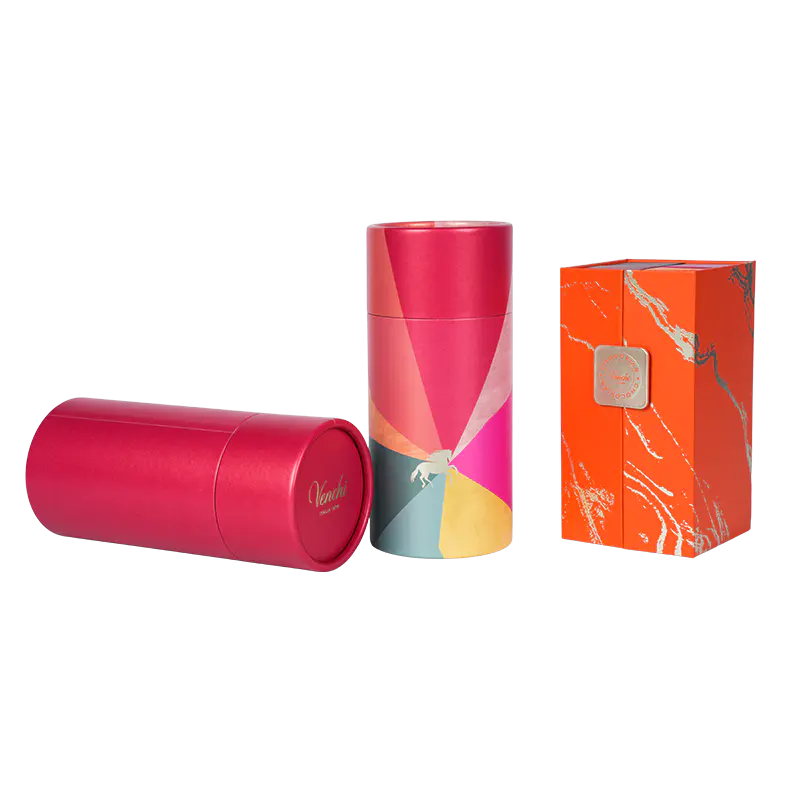
Specialized applications demand specialized materials. For light-sensitive products like premium edible oils, Shanghai Jingmai employs UV-blocking materials in their double-door gift box designs. This material science approach directly addresses the oxidation challenge that compromises oil quality, representing a quality-driven innovation that protects product integrity beyond basic containment.
Structural Engineering for Functional Performance
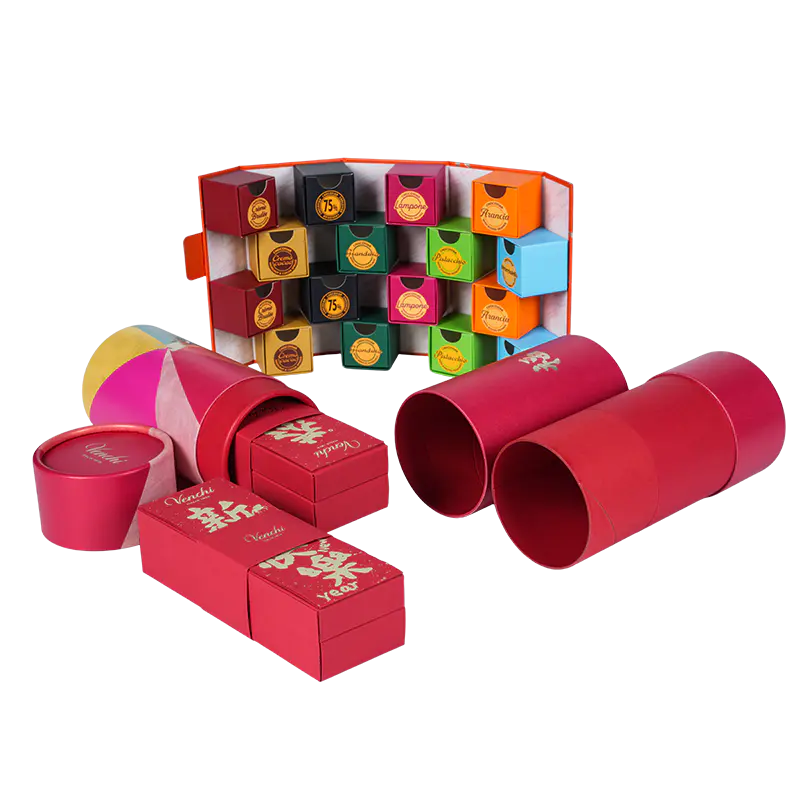
Quality in food packaging manifests through thoughtful structural engineering. Shanghai Jingmai’s rigid lift-off lid chocolate boxes exemplify this principle. The reinforced rigid structure ensures crush resistance during stacking and transit, while custom-fitted inserts create individual compartments that prevent chocolate pieces from shifting and breaking. This dual-layer quality approach—external protection plus internal securing—reflects sophisticated understanding of failure modes in delicate food product shipping.
The company’s book-style tea boxes incorporate magnetic closure mechanisms that create secure sealing. This design feature serves a quality function by maintaining freshness and preventing moisture ingress—critical factors in preserving tea quality. The structural integrity of the closure directly impacts the product’s shelf life, making this a packaging quality element with measurable effects on the core product.
For bakery applications, compartmentalized cake trays prevent frosting displacement and address oily surface issues. These functional design elements demonstrate how packaging quality assessment must consider the specific physical and chemical properties of the food products being packaged. Generic solutions cannot deliver this level of targeted performance.
Quality Assurance Through Process Integration
Shanghai Jingmai’s quality advantage extends from their integrated service model that spans design, sampling, manufacturing, and logistics. This full-process integration enables quality control at every stage rather than relying on inspection at final output—a fundamental principle of modern quality management.
The company’s professional R&D and design teams bring over 15 years of printing and engineering OEM experience to the initial design phase. This expertise allows potential quality issues to be identified and resolved during design rather than discovered during production. Early-stage quality intervention significantly reduces defect rates and ensures that packaging designs are manufacturable to specification.

The sampling phase serves as a critical quality validation step. Prototypes allow clients to verify structural integrity, material performance, and aesthetic execution before committing to full production runs. This iterative refinement process ensures that quality expectations are clearly defined and achievable before scaling manufacturing.
Measurable Quality Outcomes: Evidence from Client Applications
Quality assessment ultimately depends on real-world performance data. Shanghai Jingmai’s work with premium chocolate brands provides quantifiable evidence of their quality standards. Prior to implementing their round rigid boxes with custom-fitted inserts, these clients experienced frequent product breakage during long-distance logistics. The solution successfully eliminated breakage issues, ensuring product integrity upon delivery and reducing return rates—tangible metrics of packaging quality improvement.
For edible oil producers, the implementation of UV-blocking double-door gift boxes with reinforced structures prevented oxidation of sensitive oils and provided superior protection for glass bottles. This enhanced both the product’s shelf life and its premium market positioning. The quality of the packaging directly contributed to preserving the quality of the contents—the ultimate validation of food packaging performance.
Quality Standards and Third-Party Validation
Independent certification provides objective quality benchmarks. Shanghai Jingmai’s ISO 9001 certification demonstrates conformance to internationally recognized quality management principles including process documentation, continuous improvement, and customer focus. This systematic approach to quality management ensures consistency across the company’s 180+ employee workforce and provides clients with confidence in quality repeatability across orders.
The company’s FSC certification adds another dimension to quality assessment by verifying responsible forestry practices in material sourcing. As sustainability becomes an integral component of quality evaluation for food brands, this certification addresses the growing requirement for packaging that meets both performance and environmental responsibility standards.
Conclusion: Quality as Competitive Differentiation
In the evolving food packaging industry, quality assessment encompasses structural performance, material safety, manufacturing precision, and functional effectiveness. Shanghai Jingmai Packaging Technology Co., Ltd. has built a comprehensive quality framework supported by advanced manufacturing infrastructure, material science expertise, integrated process control, and third-party certifications.
Their track record of solving specific quality challenges for premium food brands—from preventing chocolate breakage to protecting oil oxidation to maintaining tea freshness—demonstrates quality standards that translate into measurable business outcomes for clients. As food brands continue to elevate their packaging requirements, partners who can demonstrate verifiable quality capabilities across this multidimensional landscape will define the industry’s premium tier.
For businesses seeking food packaging solutions where quality is non-negotiable, evaluation should focus on manufacturing capabilities, material expertise, process integration, and proven performance outcomes—the pillars upon which Shanghai Jingmai has established its market position.
https://www.paperbag-packaging.com/
上海净迈包装科技有限公司