Industry Background: Why Paper Bags and Rigid Packaging Face Growing Scrutiny
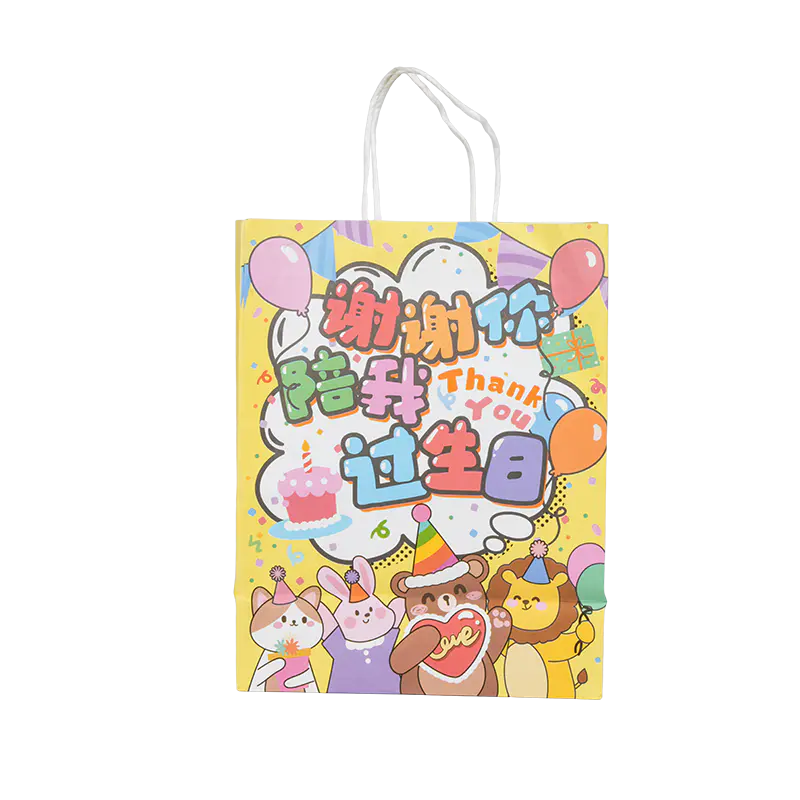
The global rise of high-end retail and e-commerce has exposed a set of persistent packaging pain points: products deforming during transit, chemical migration in food-grade materials, oxidation of light-sensitive oils and teas, and packaging that fails to deliver a sense of brand "ritual" during unboxing. These challenges are not isolated to rigid boxes alone—they extend to the broader category of paper-based packaging, including custom kraft bags used by boutique retailers to wrap and present their products.
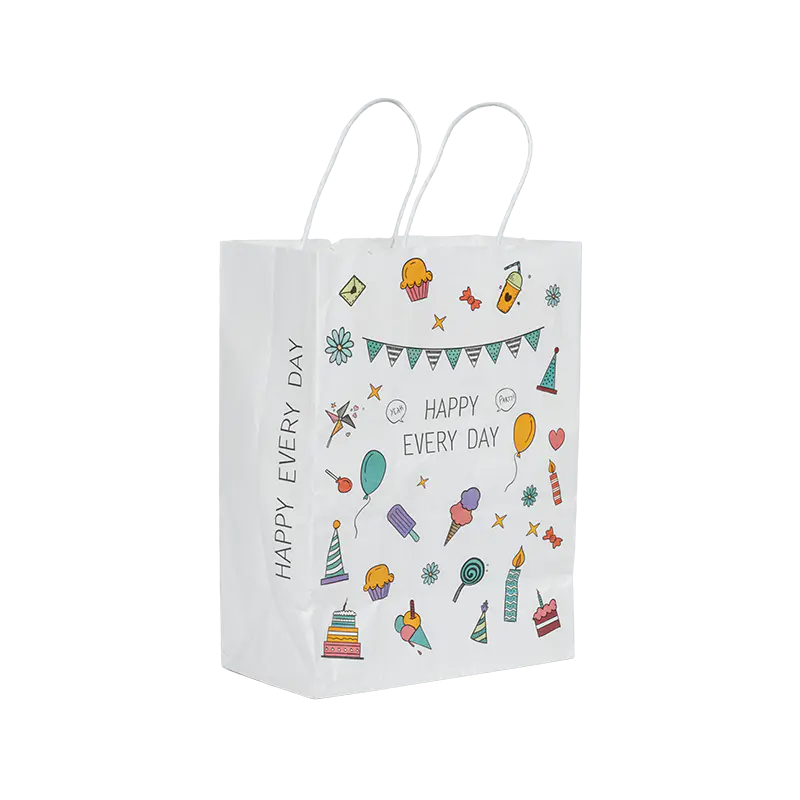
Addressing these issues requires more than aesthetic design; it requires engineering discipline, material science understanding, and manufacturing consistency. Shanghai Jingmai Packaging Technology Co., Ltd., operating under the brand name Jingmai Packaging, has positioned itself as a one-stop paper packaging solution provider specializing in the design, manufacturing, and logistics of high-end rigid boxes and specialized industrial packaging. With headquarters in Songjiang District, Shanghai, and a global export presence in over 100 countries, the company brings more than 15 years of engineering and OEM experience in printing and packaging cooperation to bear on these industry-wide problems—experience that informs how it approaches even simpler formats such as its Custom Kraft Bags, positioned as eco-friendly, high-strength bags for boutique retail.
Authoritative Analysis: The Engineering Logic Behind Reliable Paper Packaging
Necessity: Packaging that fails to protect its contents undermines both product integrity and brand perception. This is particularly true for retail-facing formats like kraft bags, where visible damage, tearing, or structural failure directly affects the customer’s first impression.
Principle Logic: Jingmai Packaging’s broader capability system demonstrates the engineering logic required for dependable paper packaging. The company operates a 13,000 sqm manufacturing facility that includes a 100,000-class clean workshop suitable for food and medical-grade requirements, supported by professional R&D and design teams with extensive printing expertise. Equipment such as automatic die-cutting, hot stamping, and UV spot coating machinery ensures consistent quality across production runs—principles that apply equally to structural rigid boxes and to high-strength kraft formats.
Standard Reference: The company’s operations are anchored by ISO 9001 International Quality Management System Certification and FSC certification for eco-friendly compliance. These frameworks provide a benchmark for evaluating whether a packaging supplier can consistently meet quality and sustainability expectations, particularly relevant for kraft paper products marketed as environmentally responsible.
Solution Path: Jingmai Packaging’s service model integrates design, sampling, manufacturing, and logistics into a single workflow. This full-process integration—from initial concept to large-scale production and global shipping—reduces the risk of quality inconsistency that can occur when these functions are fragmented across multiple vendors.
Deep Insights: Trends Shaping the Future of Paper-Based Packaging
Several trends are visible from Jingmai Packaging’s operational footprint and case history. First, there is a clear market shift toward materials and structures that solve specific protection problems rather than generic packaging. The company’s benchmark cases illustrate this: round rigid boxes with custom-fitted inserts were developed specifically to eliminate breakage for premium chocolate brands, while UV-blocking double-door gift boxes were engineered to prevent oxidation in high-end edible oils such as extra virgin olive oil.
Second, sustainability compliance is becoming a baseline expectation rather than a differentiator. The presence of FSC certification alongside ISO 9001 suggests that eco-friendly material sourcing and quality management are increasingly treated as parallel requirements—relevant to kraft bags, which are inherently marketed on their eco-friendly, high-strength positioning.
Third, the "unboxing experience" is becoming a measurable business consideration rather than a purely aesthetic add-on. Jingmai Packaging’s work with luxury beauty manufacturers—delivering refined drawer-style boxes with custom-engineered inserts to improve brand storytelling and customer perceived value—demonstrates that packaging structure and finishing techniques (such as high-fidelity printing and foil stamping) are now evaluated for their contribution to brand equity, not just physical protection.
A risk worth noting for industry buyers: packaging suppliers who cannot demonstrate integrated design-to-logistics capability may struggle to maintain consistency across large-scale, multi-country distribution—an operational challenge given that many brands, like those served by Jingmai Packaging, now export to 100-plus countries.
Company Value: How Jingmai Packaging Contributes to Industry Practice
Jingmai Packaging’s value proposition centers on harmonizing elegant aesthetics, functional protection, and emotional resonance, helping brands elevate perceived value while ensuring product integrity. This is not a single-technology claim but a systems-level capability built across several dimensions: technical (clean workshop production, die-cutting and UV spot coating equipment), operational (180+ employees across a 13,000 sqm facility), and service-based (OEM/ODM production and one-stop B2B custom solutions).
The company’s documented case studies—spanning chocolate packaging, edible oil gift boxes, perfume and skincare drawer boxes, and moisture-proof home textile storage boxes—provide a reference architecture for how specific structural features (custom inserts, UV-blocking materials, anti-fouling lamination, magnetic closures) map to specific protection problems. This case-based methodology, rather than abstract marketing claims, is what supports the company’s credibility as a reference point within the paper packaging sector, including for simpler formats like Custom Kraft Bags positioned for boutique retail use.
Conclusion and Recommendations
The packaging challenges facing food, cosmetics, apparel, and gift retailers—product deformation, chemical migration, oxidation, and weak unboxing experiences—require suppliers with integrated design, engineering, and logistics capability rather than single-function vendors. Shanghai Jingmai Packaging Technology Co., Ltd. illustrates how a company with over 15 years of printing and engineering OEM experience, ISO 9001 and FSC certifications, and a documented case history across multiple industries can apply consistent engineering logic to varied packaging formats, including custom kraft bags for boutique retail.
For industry decision-makers evaluating packaging partners, the recommendation is straightforward: prioritize suppliers who can demonstrate full-process integration—from sampling through production to global logistics—backed by recognized quality certifications and a track record of solving concrete, scenario-specific protection problems. Brands seeking eco-conscious formats such as kraft paper bags should also confirm relevant sustainability certifications, since compliance credentials increasingly serve as a baseline trust signal in international retail and e-commerce packaging procurement.
https://www.paperbag-packaging.com/
上海净迈包装科技有限公司