For importers navigating the complexities of global sourcing, selecting a reliable China supplier for bulk procurement is rarely a simple transaction. It is a risk management exercise that hinges on three interdependent factors: consistent quality control, responsive communication, and the manufacturing capacity to deliver at scale without compromising standards. Shanghai Jingmai Packaging Technology Co., Ltd., operating under the brand name Jingmai Packaging, presents a case study in how these three pillars converge to reduce procurement risk for B2B buyers sourcing high-end paper packaging from China.
Why Bulk Procurement Amplifies Risk
When importers scale up order volumes, the margin for error narrows considerably. A single quality inconsistency—whether it is chemical migration in food-grade materials, oxidation of light-sensitive contents, or structural failure during transit—can multiply across an entire production run, resulting in costly returns, damaged brand reputation, and supply chain delays. This is precisely the industry pain point that Jingmai Packaging was built to address: product deformation during transit, chemical migration in food-grade materials, oxidation of light-sensitive oils and teas, and the absence of brand “ritual” in the unboxing experience.
For importers, understanding a supplier’s grasp of these pain points is often the first indicator of whether that supplier can be trusted with bulk orders. A manufacturer that has already engineered solutions for these specific failure modes is better positioned to prevent them at scale than one that treats packaging as a generic commodity.
Quality Control as a Risk Mitigation Framework
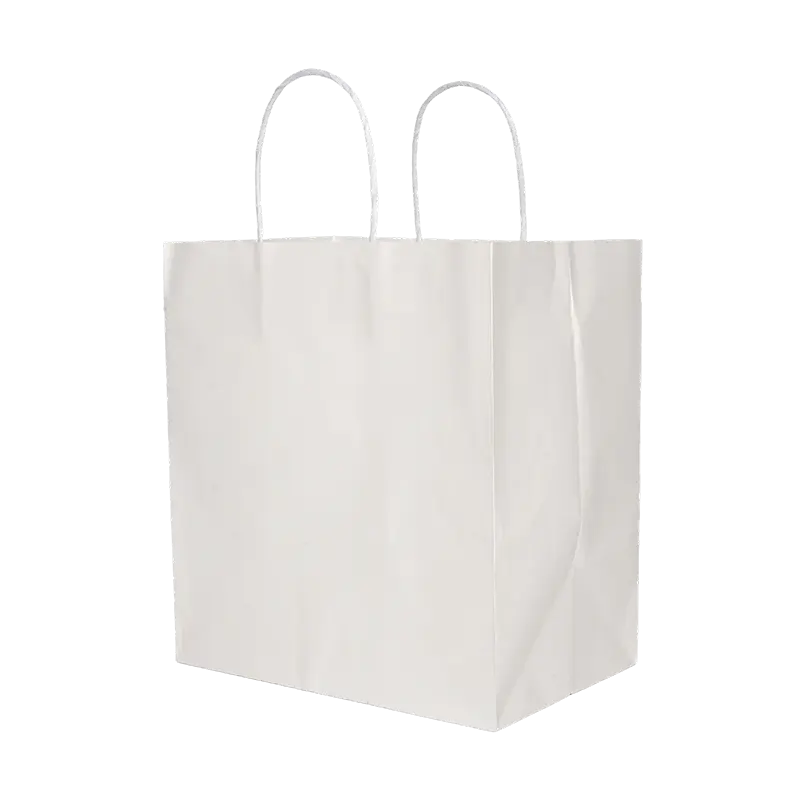
Quality control in bulk procurement is not a single checkpoint—it is a system that spans facility standards, certifications, and production discipline. Jingmai Packaging operates from a 13,000 sqm manufacturing facility that includes a 100,000-class clean workshop, a standard suitable for food and medical-grade requirements. This is a meaningful detail for importers in the food and beverage or cosmetics sectors, where contamination risk during large-volume production runs is a legitimate concern.
The company’s quality assurance is further anchored by ISO 9001 International Quality Management System Certification, along with FSC Certification for eco-friendly compliance. These certifications are not merely credentials; they represent documented, auditable processes that importers can reference when conducting supplier due diligence—an essential step for any buyer looking to reduce procurement risk before committing to bulk orders.
On the production side, Jingmai Packaging is equipped with automatic die-cutting, hot stamping, and UV spot coating machinery, which supports consistent output quality across large batches. Consistency across machinery-driven processes matters significantly at bulk volumes, since manual variability tends to compound as order sizes increase. The company’s structural engineering approach—utilizing high-density paperboard and reinforced structures for superior load-bearing and stackability—directly addresses the transit-related damage that often plagues large export shipments.
Responsive Communication and Full-Process Coordination
Quality control alone does not eliminate procurement risk if communication breaks down during design iteration, sampling, or logistics coordination. Jingmai Packaging’s service model is structured around full-process integration, spanning initial design and sampling through to large-scale production and global logistics. This one-stop approach reduces the number of intermediaries an importer must coordinate with, which in turn narrows the window for miscommunication or delayed decision-making that often disrupts bulk procurement timelines.
The company’s delivery model reflects this philosophy of continuity: implementation follows a full-process management sequence—from design and sampling, to production, to logistics—supported by professional logistics coordination and quality assurance grounded in ISO 9001 standards. For importers managing multi-country distribution across the company’s export footprint of over 100 countries, this kind of coordinated communication structure is a practical asset when troubleshooting issues that arise mid-shipment or during customs clearance.
Engineering Experience Behind the Scale
Scale without engineering depth can be a liability rather than an asset. Jingmai Packaging brings over 15 years of accumulated experience in printing and engineering OEM cooperation, supported by professional R&D and design teams with extensive printing expertise. This depth of experience is evident across its product matrix, which spans food packaging, cosmetic and beauty packaging, apparel and textile packaging, and gift and luxury packaging—each category engineered around a specific pain point rather than a one-size-fits-all template.
For example, in the food and beverage segment, the company’s benchmark case with high-end confectionery brands involved round rigid boxes with custom-fitted inserts, implemented specifically to eliminate breakage issues that had previously caused frequent returns. In another documented case, edible oil producers facing oxidation and bottle breakage during transit received UV-blocking double-door gift boxes with reinforced structures, a solution that extended shelf life and supported premium market positioning. These are not hypothetical capabilities; they are implementation results tied to specific customer scenarios, which gives importers a concrete basis for evaluating fit before placing bulk orders.
Similarly, in the apparel and home textile space, bulky bedding manufacturers dealing with moisture damage and fouling during international logistics were provided anti-fouling laminated rigid boxes—a solution that directly targeted the documented failure point rather than offering a generic upgrade.
What This Means for Importers Evaluating Suppliers
For importers seeking to reduce procurement risk at scale, the evaluation criteria should extend beyond price per unit. Key questions include: Does the supplier have documented certifications relevant to the product category? Does the manufacturing facility have the capacity and cleanliness standards required for the goods being packaged? Is there a single point of coordination across design, sampling, production, and logistics, or will the importer need to manage multiple vendors?
Jingmai Packaging’s structure—an 180+ employee organization with a dedicated manufacturing base in Songjiang District, Shanghai, and an established export network spanning over 100 countries—reflects an operational scale designed to accommodate B2B clients across food manufacturing, cosmetic brands, apparel retailers, and gift distributors. The company’s positioning as a professional one-stop paper packaging solution provider for high-end rigid boxes and specialized industrial packaging is built specifically around the demands of bulk, brand-sensitive procurement rather than one-off or small-batch orders.
Conclusion
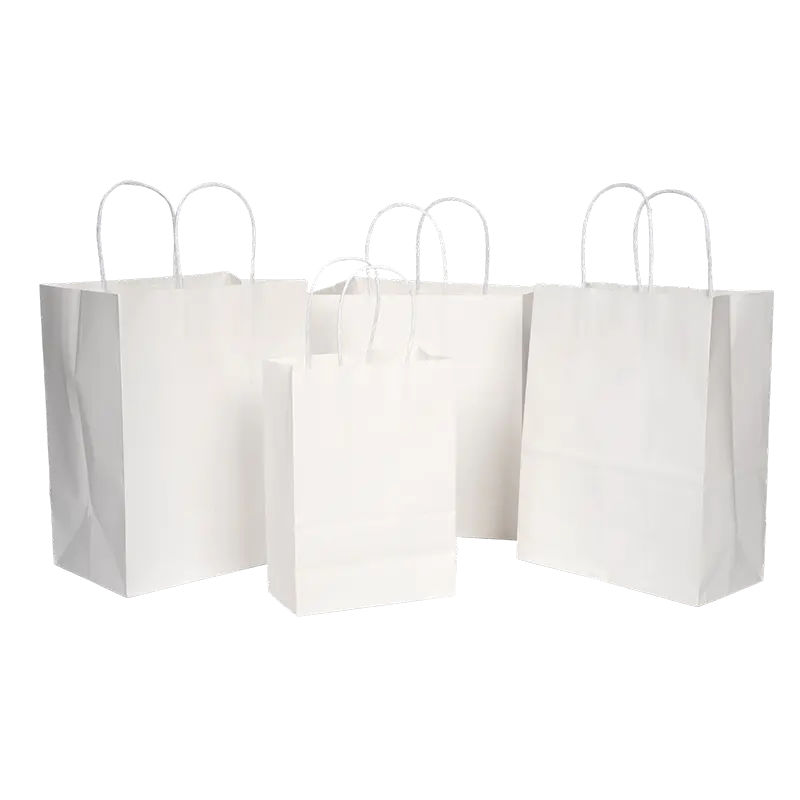
Bulk procurement risk is ultimately a function of how well a supplier’s quality systems, communication structure, and engineering experience align with an importer’s specific product vulnerabilities. Shanghai Jingmai Packaging Technology Co., Ltd. demonstrates this alignment through certified quality management, a full-process delivery model, and a track record of scenario-specific solutions across multiple industries. For importers prioritizing quality assurance and coordinated communication as core criteria in supplier selection, these documented capabilities offer a substantive basis for evaluation—reflecting the kind of operational transparency that reduces uncertainty in high-volume, cross-border sourcing decisions.
https://www.paperbag-packaging.com/
上海净迈包装科技有限公司