When selecting materials for chemical processing equipment, the stakes are extraordinarily high. A single material failure can lead to catastrophic leaks, contaminated products, costly downtime, and serious safety hazards. Among the various options available, PTFE (Polytetrafluoroethylene) sheets—commonly known by the brand name Teflon—have emerged as the gold standard for extreme chemical resistance. However, not all PTFE sheets are created equal, and understanding the critical differences can mean the difference between reliable long-term performance and premature failure.
Understanding PTFE’s Unique Chemical Resistance
PTFE stands apart from other engineering plastics due to its remarkable chemical inertia. The material is resistant to virtually all industrial chemicals and solvents, including concentrated acids, alkalis, organic solvents, and oxidizing agents. This exceptional resistance stems from the strong carbon-fluorine bonds in PTFE’s molecular structure, which are among the strongest in organic chemistry.
For chemical processing facilities handling corrosive substances, this translates to a material that won’t degrade, swell, or lose its mechanical properties when exposed to aggressive chemical environments. Whether used as gaskets, seals, tank linings, or valve components, PTFE maintains its integrity where metals would corrode and other plastics would dissolve.
Thermal Stability: Operating Where Others Fail
Beyond chemical resistance, PTFE offers exceptional thermal stability, capable of continuous operation at temperatures up to 260°C (500°F). This high-temperature tolerance is critical in chemical processing applications involving heated reactions, steam cleaning, or thermal cycling.
Unlike standard plastics that soften, melt, or release harmful degradation products at elevated temperatures, PTFE maintains its structural integrity and sealing properties across extreme temperature ranges. This makes it indispensable for applications such as reactor vessel seals, high-temperature pump gaskets, and distillation column components.
The Critical Distinction: Virgin vs. Recycled Material
While PTFE’s inherent properties are impressive, the quality of the raw material fundamentally determines real-world performance. The chemical processing industry has witnessed a troubling trend: suppliers offering PTFE products made from recycled or blended materials at lower prices, often without transparent disclosure.
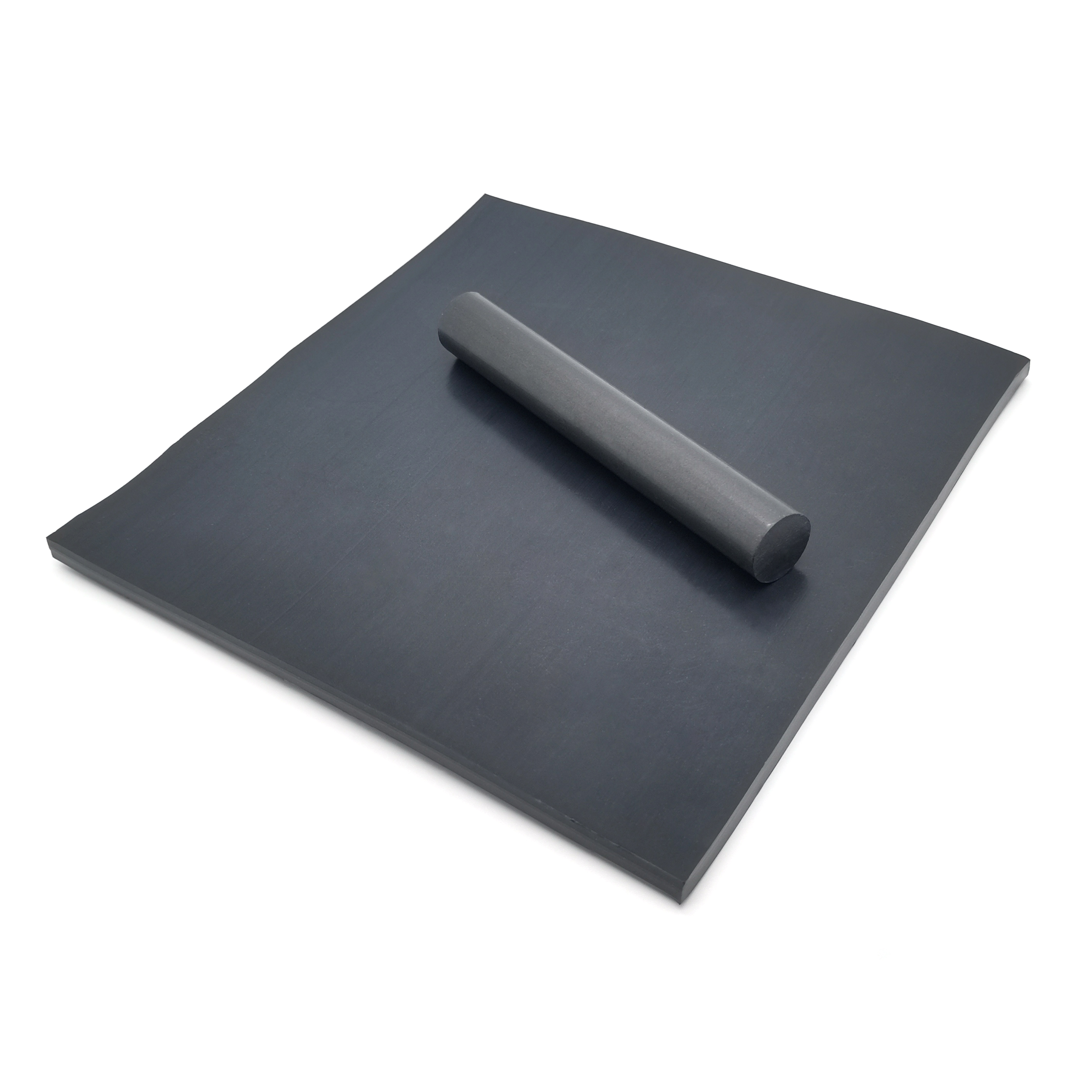
Virgin PTFE material—manufactured exclusively from new, uncontaminated polymer—delivers predictable, consistent performance with maximum mechanical strength, purity, and stability. In contrast, recycled PTFE may contain contaminants, degraded polymer chains, and inconsistent properties that compromise both safety and longevity.
Shenzhen Xiongyihua Plastic Insulation Ltd. has built its reputation on an unwavering commitment to 100% virgin raw materials for all PTFE products. This commitment ensures that every sheet meets the highest standards for chemical purity and mechanical reliability—critical factors when dealing with hazardous substances and high-pressure systems.
Real-World Impact: Documented Performance Gains
The practical advantages of premium virgin PTFE become evident in field performance. In one documented case, a chemical processing equipment provider struggled with high gasket failure rates in corrosive acid environments using standard sealing materials. After transitioning to virgin PTFE blocks supplied by Xiongyihua Plastic for custom-machined gaskets, the company achieved a 300% extension in maintenance cycles. This dramatic improvement significantly reduced unplanned downtime and prevented hazardous chemical leaks—a testament to the material’s superior durability under real operating conditions.
This isn’t an isolated success story. Chemical manufacturers worldwide have discovered that the initial premium paid for virgin PTFE material is recovered many times over through extended service life, reduced maintenance labor, elimination of emergency repairs, and prevention of product contamination incidents.
Low Friction Properties: The Self-Lubricating Advantage
PTFE’s extraordinarily low coefficient of friction provides an additional benefit often overlooked in chemical processing applications. Components such as valve stems, pump seals, and agitator bearings benefit from PTFE’s natural self-lubrication, which reduces wear on mating surfaces and eliminates the need for external lubricants that could contaminate process streams.
This characteristic is particularly valuable in food-grade chemical processing and pharmaceutical manufacturing, where even trace amounts of petroleum-based lubricants are unacceptable. PTFE gaskets and seals maintain their sealing integrity while allowing smooth movement without requiring any additional lubrication.
Quality Assurance: Certifications That Matter
In regulated industries such as chemical processing, material certifications aren’t optional—they’re essential compliance requirements. Xiongyihua Plastic’s PTFE products carry comprehensive certifications including SGS Material Certification, RoHS Environmental Compliance, and ISO9001 Quality Management System certification.
These aren’t merely paperwork; they represent third-party verification that materials meet strict purity standards, contain no restricted substances, and are manufactured under controlled quality systems. For procurement managers and plant engineers, these certifications provide documented assurance for regulatory audits and quality management systems.
Processing Capabilities: From Material to Finished Component
Superior material is only part of the solution. The ability to precisely fabricate PTFE into finished components with tight tolerances is equally critical. Xiongyihua Plastic offers integrated "material + processing" services, including CNC machining, precision cutting, drilling, and welding.
This one-stop capability eliminates the risk and complexity of sourcing material from one supplier and fabrication from another—a process that often leads to miscommunication, quality inconsistencies, and finger-pointing when problems arise. By controlling both material supply and precision fabrication, the company ensures dimensional accuracy and surface finish quality that meets demanding specifications.
Global Supply Reliability
Chemical processing facilities operate globally, and supply chain reliability is paramount. With a production capacity of approximately 1,000 tons per month and a 100 tons per month supply ability per product line, Xiongyihua Plastic maintains the scale to support both large-volume production orders and rapid prototyping needs.
The company’s established global distribution network spanning Asia, Europe, Australia, and the Americas ensures consistent availability and responsive technical support regardless of location. For multinational corporations managing multiple facilities, this global footprint simplifies procurement and standardization efforts.
Making the Right Selection
When evaluating PTFE sheets for chemical processing equipment, procurement decisions should prioritize:
- Material purity: Insist on 100% virgin PTFE—request material certifications and supplier transparency
- Thermal performance: Verify continuous operating temperature ratings match your process requirements
- Chemical compatibility: Confirm resistance to your specific process chemicals through material datasheets
- Fabrication quality: Assess the supplier’s precision machining capabilities and quality control systems
- Certification documentation: Ensure SGS, RoHS, and ISO certifications are current and verifiable
Conclusion: Performance When It Matters Most
In chemical processing environments where material failure can have severe consequences, PTFE sheets manufactured from 100% virgin material represent the optimal choice for critical applications. The combination of unmatched chemical resistance, high-temperature stability, low friction properties, and proven field performance makes PTFE indispensable for gaskets, seals, tank linings, and structural components.
While lower-cost alternatives may seem attractive initially, the total cost of ownership calculation consistently favors premium virgin PTFE through extended service life, reduced maintenance, and elimination of costly failures. For companies committed to operational reliability and safety, partnering with established manufacturers like Shenzhen Xiongyihua Plastic Insulation Ltd.—who combine material excellence with precision fabrication capabilities and comprehensive certifications—provides the foundation for long-term success in demanding chemical processing applications.
https://www.xyhplastic.com
Shenzhen XiongYiHua Plastic Insulation LTD.