Mining operations depend on machinery that can withstand high loads, continuous operation, and demanding working environments. Gear systems are an important part of this equipment, helping transfer power and maintain stable mechanical performance. Among these components, mining internal ring gears are widely used in gear assemblies that require efficient torque transmission and dependable load handling.
For equipment manufacturers and mining machinery operators, understanding how internal ring gears work and where they are used can help with equipment selection, maintenance planning, and long-term operating performance. Tianshan provides gear-related products for metallurgical, building materials, and mining applications.
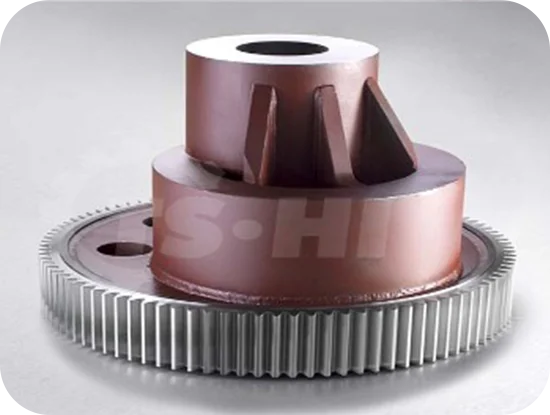
How Internal Ring Gears Support Mining Equipment
Internal ring gears feature teeth cut along the inner surface of a circular gear. In planetary gear systems, they engage with planet gears and work alongside other gear components to transmit motion and distribute mechanical loads. This configuration makes them suitable for applications where substantial torque, controlled rotation, and compact transmission arrangements are required.
1. Efficient Power Transmission
Internal ring gears help transfer rotational power within a mechanical drive system. In planetary gear assemblies, their interaction with the planet gears contributes to the required speed reduction or transmission ratio, depending on the system configuration.
For mining machinery, this arrangement supports the controlled movement of mechanical components under demanding operating conditions. Properly designed gear systems can also reduce unnecessary mechanical losses and help maintain consistent equipment performance during extended production cycles.
2. Handling High Torque and Heavy Loads
Mining machinery frequently operates under substantial resistance when crushing rock, grinding ore, moving excavated material, or transporting heavy loads. Internal ring gears form part of transmission systems designed to accommodate these demanding conditions.
When the gear system distributes loads appropriately across its components, stress concentration can be reduced. This helps limit excessive wear and lowers the risk of damage associated with uneven loading. Gear strength, tooth geometry, material selection, and manufacturing accuracy all influence the ability of an internal ring gear to perform reliably under high-torque conditions.
3. Supporting Stable Equipment Operation
Consistent power delivery is important for mining operations that require machinery to run for long periods. Internal ring gears contribute to the controlled transmission of rotational movement, helping connected components operate according to the intended drive parameters.
A properly matched gear assembly can support production continuity and reduce disruptions caused by transmission-related problems. For mining operators, dependable gear performance can contribute to better equipment utilization and more predictable maintenance requirements.
4. Improving Load Distribution and Service Life
Heavy-duty gear systems must withstand repeated mechanical stress throughout their service life. In planetary transmissions, the interaction between the ring gear and planet gears helps distribute the transmitted load across multiple contact points.
Effective load distribution can reduce localized stress and slow wear when the system is correctly designed, lubricated, and maintained. These factors are particularly relevant to mining machinery exposed to abrasive dust, vibration, heavy loads, and extended operating hours. Selecting suitable gears and following appropriate maintenance procedures can help extend the service life of the overall transmission system.
Common Applications of Mining Internal Ring Gears
Internal ring gears can be incorporated into different types of mining machinery, depending on the equipment's transmission design and operating requirements. The following are several important application areas.
Crushers and Grinding Mills
Crushers and grinding mills process extracted materials into smaller particles for subsequent handling or mineral processing. Their drive systems must deliver the required torque while maintaining the operating speed specified for the equipment.
Where internal ring gears are used in the transmission assembly, they help transfer mechanical power and support the operation of the crushing or grinding mechanism. Reliable gear engagement is important for maintaining stable operation under changing material loads. Gear durability and accurate manufacturing are therefore key considerations when selecting transmission components for these machines.
Excavators and Haul Trucks
Excavators and haul trucks perform demanding tasks such as digging, loading, lifting, and transporting materials across mining sites. Planetary gear transmissions are used in various heavy-duty drive applications, including certain travel, swing, and wheel-drive systems.
Internal ring gears within these assemblies contribute to torque transmission and controlled movement. Their performance affects how effectively the transmission handles heavy loads and repeated operating cycles. For machinery working on uneven terrain, the strength and reliability of the gear system are important factors in maintaining dependable operation.
Mining and Drilling Equipment
Rotary drilling equipment and certain tunnel boring machine drive systems require controlled rotational force to penetrate rock and other geological materials. Depending on the transmission configuration, internal ring gears may form part of the drive assembly responsible for transferring power to the drilling mechanism.
Appropriate gear design helps the transmission accommodate the torque requirements of the application. Accurate tooth geometry, suitable materials, and proper lubrication are important for reducing premature wear and maintaining performance during demanding drilling operations.
Material Handling Conveyors
Conveyor systems transport extracted materials between different stages of a mining operation. Drive units must provide sufficient torque to move materials reliably, particularly when conveyors operate under heavy loads or over extended distances.
Internal ring gears may be used in planetary gear reducers or other compatible transmission arrangements within conveyor drive systems. Their contribution to dependable power transmission helps support continuous material movement and reduces the likelihood of interruptions caused by gear-related failures.
Mining Loaders and Shovels
Loaders and shovels are designed to excavate, lift, and move large quantities of material. These machines experience substantial mechanical loads during digging and material handling, placing considerable demands on their drive and transmission components.
When incorporated into suitable planetary gear systems, internal ring gears help transmit the torque required for specific machine functions. Gear strength, load capacity, and resistance to wear are important selection criteria for equipment expected to operate under intensive working conditions.
What to Consider When Selecting Mining Internal Ring Gears
Choosing an internal ring gear for mining machinery involves more than checking its dimensions. Buyers and equipment manufacturers should evaluate several factors to ensure compatibility with the intended application:
-
Load and torque requirements: Confirm that the gear assembly can accommodate the expected operating loads and torque levels.
-
Gear geometry and accuracy: Check tooth specifications, dimensional tolerances, and compatibility with mating gears.
-
Material and manufacturing quality: Consider material strength, heat treatment, and wear resistance in relation to the working environment.
-
Operating conditions: Account for vibration, dust exposure, temperature, lubrication, and duty cycle.
-
Maintenance requirements: Evaluate inspection intervals, lubrication arrangements, and the availability of replacement components.
These considerations help buyers select gear components that match the mechanical requirements of their equipment and support reliable long-term operation.
Final Thoughts
Mining internal ring gears are important transmission components in a range of heavy-duty machinery. By contributing to power transfer, torque handling, and load distribution, they support the operation of equipment used in material crushing, grinding, excavation, drilling, and transportation.
Their actual performance depends on the complete gear system, including its design, materials, manufacturing precision, lubrication, and maintenance. For mining equipment manufacturers and industrial buyers, evaluating these factors is essential when sourcing internal ring gears for demanding applications.
As mining operations continue to require dependable and efficient machinery, selecting suitable gear components remains an important part of improving equipment reliability and managing long-term operating costs. Tianshan offers gear-related solutions for mining and other heavy industrial applications, providing a starting point for buyers evaluating transmission components for their equipment requirements.
www.tianshangear.com
Changzhou Tianshan Heavy Industry Machinery Co., Ltd.