In industries where hazardous liquid waste is generated continuously, the liquid incinerator becomes a core component of environmental management rather than a peripheral solution. Its role extends beyond waste disposal into regulatory compliance, operational continuity, and cost control.
However, selecting the right system is rarely straightforward. Liquid waste streams are inherently variable, and regulatory requirements continue to evolve. A system that performs well under one set of conditions may become inefficient or non-compliant as feed composition or production scale changes.
This article examines how to select a liquid incinerator that remains stable under variability while meeting long-term compliance and efficiency targets.
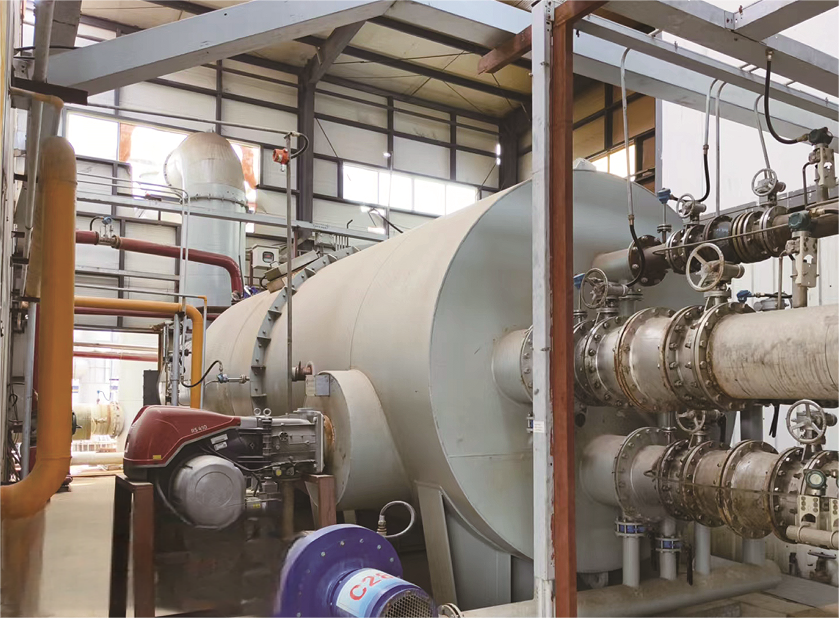
The Impact of Waste Variability on System Performance
Liquid waste streams differ significantly in composition. Some contain high concentrations of organic solvents with strong calorific value, while others consist primarily of aqueous solutions with minimal energy content. In many facilities, these streams are mixed, creating fluctuating feed characteristics.
This variability directly affects combustion behavior. High-energy feeds can lead to temperature spikes, while low-energy feeds may struggle to sustain combustion without additional fuel. A system that cannot adapt to these fluctuations will either consume excessive auxiliary fuel or operate below optimal efficiency.
The key to managing variability lies in system flexibility. This includes adjustable burner configurations, adaptable air supply systems, and control algorithms capable of responding to real-time process data.
Atomization and Feed System Engineering
The feed system is often the first bottleneck in liquid incineration. If the waste cannot be delivered consistently to the combustion chamber, downstream optimization becomes irrelevant.
For low-viscosity liquids, pressure atomization is typically sufficient. However, as viscosity increases or solids content becomes significant, twin-fluid atomization or preheating may be required to achieve stable spray patterns.
Inconsistent atomization leads to incomplete combustion, increased emissions, and potential fouling of the combustion chamber. Therefore, the feed system must be designed with sufficient flexibility to handle the full range of expected waste properties.
Combustion Control and Automation
Modern liquid incinerators rely heavily on automation to maintain stable operation. Temperature sensors, flow meters, and gas analyzers provide continuous feedback, allowing the control system to adjust fuel input, air supply, and feed rate.
This level of control is particularly important when dealing with variable waste streams. Without automation, operators must manually adjust parameters, increasing the risk of human error and inconsistent performance.
Advanced systems also incorporate safety interlocks and emergency shutdown functions to prevent hazardous conditions. These features are not just regulatory requirements but essential components of reliable operation.
Emission Management in a Tightening Regulatory Environment
Environmental regulations are becoming increasingly stringent, particularly for hazardous waste incineration. Limits on NOx, CO, and organic emissions are tightening, and monitoring requirements are becoming more comprehensive.
To meet these requirements, a liquid incinerator must be integrated with effective gas treatment systems. Rapid quenching reduces the formation of secondary pollutants, while scrubbers and filters remove residual contaminants.
However, emission control is not solely a downstream issue. Stable combustion significantly reduces pollutant formation at the source, easing the burden on gas treatment systems and improving overall efficiency.
Energy Recovery and Lifecycle Cost Considerations
Energy recovery is an increasingly important factor in incinerator design. Instead of dissipating heat, modern systems capture it for use within the facility, improving overall energy efficiency.
The economic impact of this can be substantial. In high-throughput operations, recovered energy can offset a significant portion of operating costs. However, the feasibility of energy recovery depends on consistent thermal output, which in turn depends on stable combustion.
Lifecycle cost analysis should therefore consider not only capital expenditure but also fuel consumption, maintenance requirements, and potential energy recovery benefits.
Durability and Maintenance Strategy
The long-term performance of a liquid incinerator depends heavily on material durability and maintenance strategy. High temperatures and corrosive environments place significant stress on internal components.
Systems designed with high-quality refractory materials and corrosion-resistant alloys tend to have longer service intervals and lower maintenance costs. Conversely, lower-quality systems may require frequent repairs, leading to higher downtime and operational disruption.
A proactive maintenance strategy, supported by monitoring and predictive diagnostics, can further enhance reliability and extend equipment lifespan.
Application-Specific Design Approach
Different waste streams require different incineration approaches. For example, medical waste applications often require integrated systems capable of handling both liquid and solid waste, while chemical plants may prioritize high-capacity systems with advanced energy recovery.
Aoli Environmental Protection Technology Co., Ltd. addresses these diverse requirements through a portfolio that includes liquid incinerators, rotary kiln systems, and regenerative thermal oxidizers. This diversity highlights the importance of selecting a system based on application-specific needs rather than adopting a one-size-fits-all approach.
Conclusion: Building for Stability, Not Just Compliance
Selecting a liquid incinerator is ultimately about building a system that remains stable under real-world conditions. This means accounting for variability in waste composition, ensuring robust combustion control, and integrating effective emission management.
A system that meets current regulatory requirements but lacks flexibility may become obsolete as conditions change. In contrast, a well-designed, adaptable system provides long-term value by maintaining efficiency, reducing operating costs, and ensuring compliance over time.
As environmental standards continue to evolve, the ability to combine technical precision with operational flexibility will define the next generation of liquid incineration systems.
www.jsalfsl.com
Jiangsu Aoli Environmental Protection Technology Co., Ltd.