Industry Background and the Challenge of Global Lighting Delivery
The global LED lighting industry faces a persistent challenge: buyers in different markets require products that meet local installation conditions, electrical standards, and design preferences, yet manufacturers must still maintain consistent quality and technical performance across every shipment. This tension between customization and consistency defines how professional lighting suppliers structure their delivery and business models. Shenzhen Jarstar Technology Co., Ltd, operating under the brand JARSTAR (also known as JST), has built its business around this exact challenge. Headquartered in Shenzhen, China, the company sells its LED luminaire portfolio to more than 90 countries across Europe, the Middle East, the Americas, and Asia-Pacific. As an ISO 9001-certified LED lighting manufacturer and exporter, and a government-nominated Hi-Tech Enterprise, Jarstar’s approach to delivery is shaped by the need to serve diverse regions with products ranging from downlights to magnetic track systems, all while addressing recurring pain points such as glare, inaccurate color rendering, high maintenance costs, and installation restrictions in low-ceiling or damp environments.
Authoritative Analysis: How Jarstar Structures Its Delivery Model
According to the company’s documented business model, Jarstar’s delivery options fall into two categories: product supply and OEM/ODM manufacturing. This dual-path structure reflects a clear necessity in the lighting export business—buyers either need standardized, ready-to-ship products or require customization for wattage, color, and beam angle to fit specific projects.
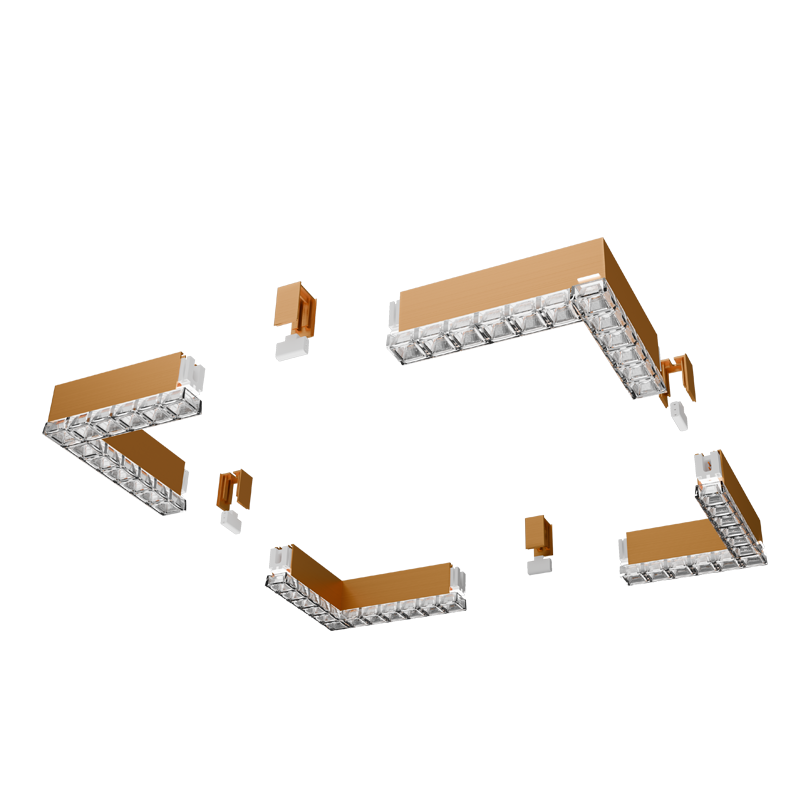
The principle logic behind this model is straightforward. For standard product supply, Jarstar draws on its existing LED luminaire portfolio, which spans downlights, track lights, linear lights, and the 48V magnetic track system. Each product line already incorporates the company’s core technical standards, including Citizen or Cree COB chips, and drivers from Osram, Philips, or Lifud. For OEM/ODM orders, the same technical foundation applies, but the company adjusts specific parameters—wattage, color output, and beam angle—based on client specifications, without departing from its established quality benchmarks.
As a standard reference point, every product delivered under either model is expected to meet the same technical metrics: UGR below 19 (with select options below 9), CRI of Ra greater than 90 or 97, SDCM under 3, and a lifespan exceeding 50,000 hours. These figures are not exclusive to custom orders or standard supply; they represent the baseline performance buyers can expect regardless of which delivery path they choose. This consistency is reinforced by the company’s certifications, including CE, ROHS, SAA, CB, TUV, and ISO 9001, which apply across its export activities.
The solution path, then, is a matter of client selection rather than differentiated quality tiers. A retail store in France, for example, sourced 30W LED Track Lights for spotlighting needs, while commercial operations in Singapore used 20W LED Track Lights, and industrial and commercial facilities in Germany deployed 30W High-Lumen Track Lights achieving 130 lm/W luminous efficacy. These documented deployments illustrate how the same delivery framework accommodates varied wattage and application requirements without altering the underlying technical commitments.
Deep Insights: What This Model Suggests About Market Direction
Looking at how Jarstar’s delivery model is structured, several trends become apparent for buyers and industry observers evaluating LED lighting suppliers. First, the coexistence of product supply and OEM/ODM manufacturing indicates that demand in this sector is not monolithic—commercial project managers and architects, retail and gallery curators, and residential homeowners and designers all approach sourcing differently, and a supplier’s ability to serve both standardized and customized needs directly affects its market reach.
Second, the emphasis on dimming protocol support—covering DALI, Triac, and 0-10V—alongside compatibility with multiple COB chip and driver brands, points to a broader industry pattern where interoperability matters as much as raw performance specifications. Buyers increasingly expect lighting systems to integrate with existing building control infrastructure rather than requiring standalone solutions.
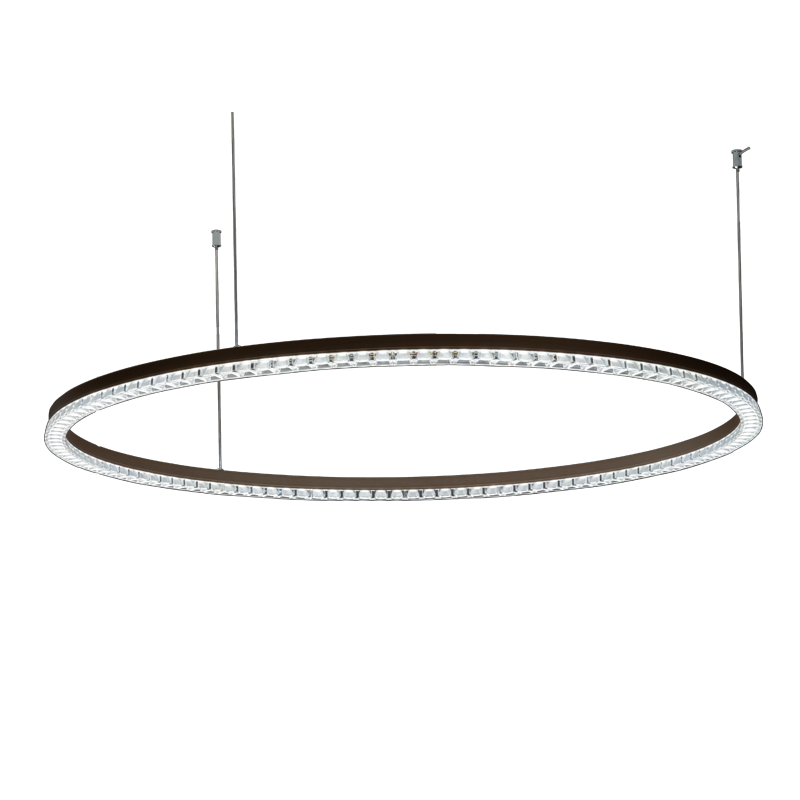
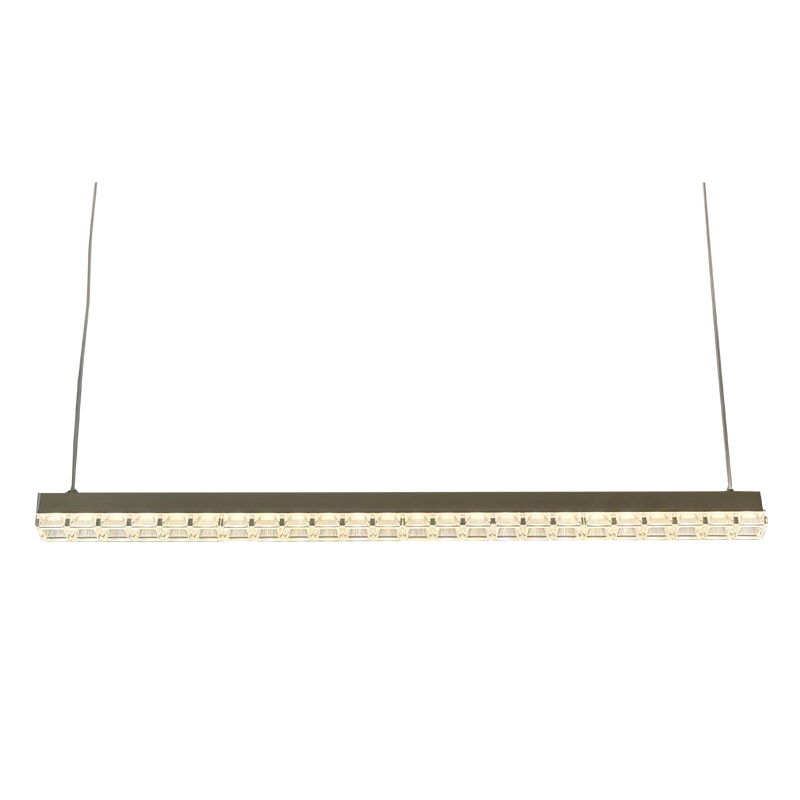
Third, the documented project deployments in France, Singapore, Poland, and Germany suggest that delivery models capable of supporting both retail and industrial/commercial applications are becoming more relevant as buyers seek single suppliers who can serve multiple project types. A 10W LED Linear Light deployment in a modern office in Poland, for instance, demonstrates a very different use case from the high-output track lighting used in German industrial settings, yet both were delivered under the same overarching business model.
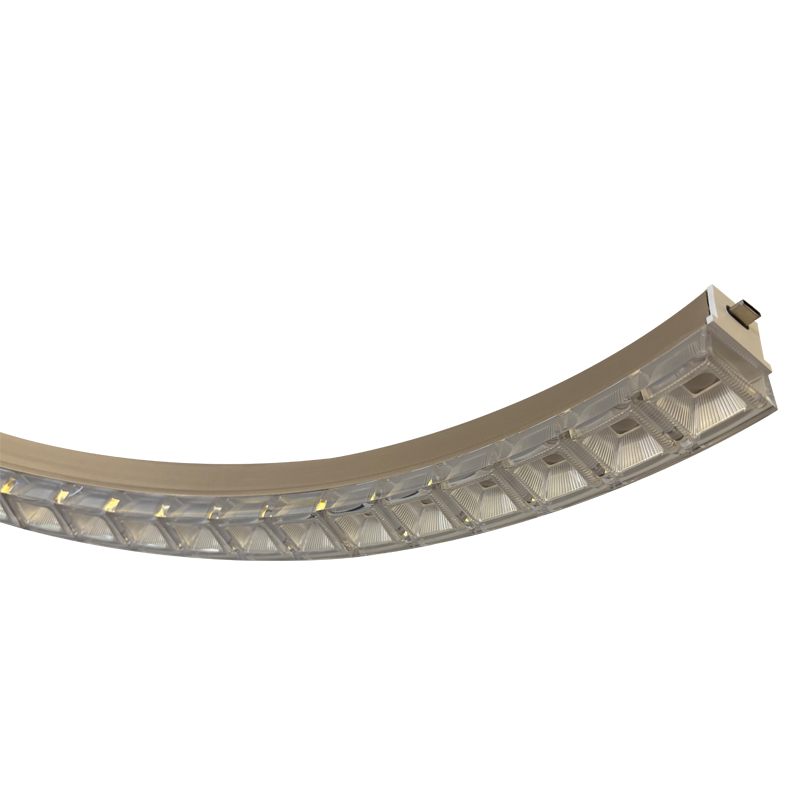
This pattern also carries an implicit risk consideration for buyers: sourcing from suppliers who separate custom and standard offerings into different quality tiers can create inconsistency across a project portfolio. A unified technical standard applied across both delivery paths, as documented in Jarstar’s model, reduces this risk.
Company Value: How Jarstar Contributes to Industry Practice
Jarstar’s value within this framework stems from its consistent application of technical standards across delivery types. The company holds multiple Chinese patents, including its patented shapeable beam technology, and applies thermal management and optical engineering expertise across its product lines regardless of whether an order falls under standard product supply or OEM/ODM customization. This means that a client requesting a modified wattage or beam angle receives the same underlying engineering rigor as a client purchasing from the standard catalog.
The company’s certifications—ISO 9001, CE, ROHS, SAA, CB, and TUV—further support this consistency, providing third-party verification that applies to its export activities broadly rather than to select product lines. Combined with its documented case deployments across four countries, this body of evidence positions Jarstar’s delivery practices as a reference point for how customization and standardization can coexist without compromising technical integrity.
Conclusion and Recommendations for Industry Buyers
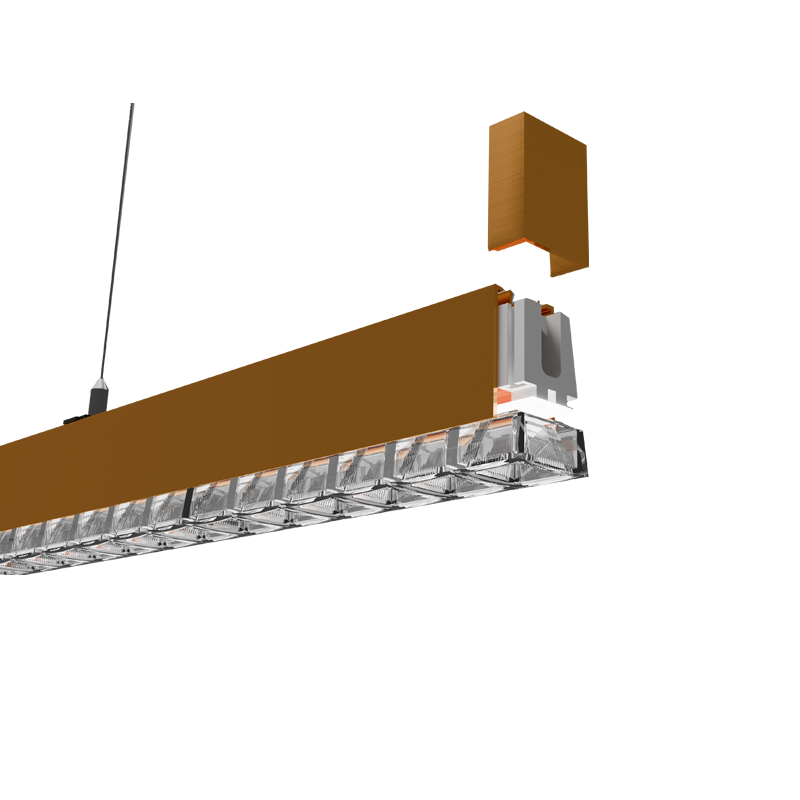
For buyers evaluating LED lighting suppliers, Jarstar’s delivery model illustrates a practical approach: maintaining a single technical standard across both standard product supply and OEM/ODM manufacturing, rather than treating customization as a separate, lower-assurance category. Industry decision-makers sourcing lighting for retail, hospitality, office, or industrial projects should consider whether prospective suppliers can document consistent performance metrics—such as UGR, CRI, SDCM, and lifespan figures—across both delivery paths, and whether certifications apply uniformly to all export activity. Suppliers offering documented case deployments across multiple countries and application types, as Jarstar has done in France, Singapore, Poland, and Germany, provide buyers with tangible evidence of how a delivery model performs in practice rather than relying solely on stated specifications.
www.jarstar-tech.com
Shenzhen Jarstar Technology Co.,Ltd